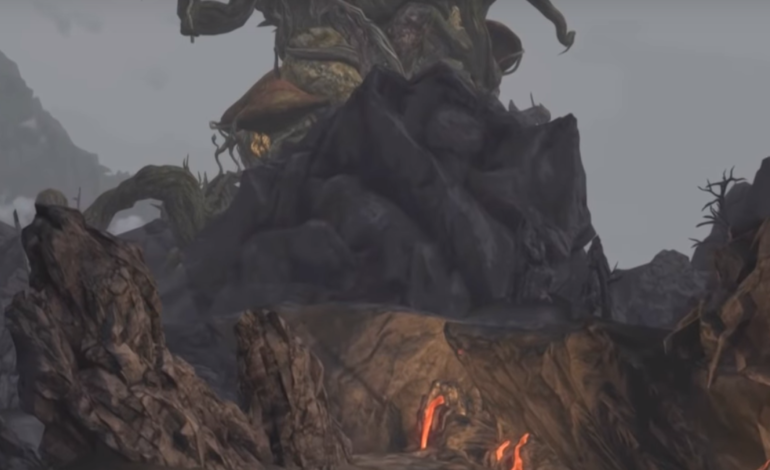
For over a decade, a dedicated team of volunteer developers has been working to rebuild one of gaming’s most revered and idiosyncratic worlds within a modern framework. The project, known as Skywind, aims to completely recreate The Elder Scrolls III: Morrowind using the more contemporary engine and systems of The Elder Scrolls V: Skyrim. In a recent showcase during a charity modding streamathon, the team offered a fresh glimpse of their progress, focusing specifically on the sprawling, otherworldly city of Vivec—a location that remains emblematic of Morrowind’s unique identity.
The Monumental Task of Recreating a Classic
The ambition behind Skywind is staggering. It is not a simple port or graphical update; it is a ground-up reconstruction. Every asset—from the distinctive, insectoid architecture of the Dunmer strongholds to the bizarre flora of the Ashlands—must be modeled, textured, and implemented from scratch. The team must also adapt Morrowind’s complex and often unforgiving mechanics, such as its dice-roll-based combat and detailed spellcrafting system, to feel at home within Skyrim’s more action-oriented gameplay. This process involves interpreting the original game’s vision through a modern lens while fiercely protecting the essence that made it a cult classic.
Vivec City: A Litmus Test for Faithfulness
The choice to highlight Vivec in the latest preview is significant. The city is a labyrinthine marvel of cantons, temples, and canals, all built upon the water by the god-king Vivec. It is a center of political intrigue, religious fervor, and strange beauty. Successfully capturing its scale, verticality, and oppressive, alien atmosphere is one of the project’s greatest challenges. The showcase demonstrated a Vivec that is instantly recognizable to veterans: the towering cantons, the murky waters of the Foreign Quarter, and the distinct silhouette against Morrowind’s ashen sky. Early feedback suggests the team is prioritizing atmospheric fidelity, ensuring the city feels both vast and intimately detailed.
Beyond Visuals: Translating Morrowind’s Soul
A faithful recreation demands more than just visual accuracy. Morrowind’s narrative depth, bizarre lore, and lack of hand-holding defined its experience. The Skywind team faces the intricate task of translating thousands of lines of dialogue, hundreds of quests with branching paths, and the game’s unique faction reputation system. They must decide how to modernize elements like navigation—which originally relied heavily on written directions rather than map markers—without diluting the sense of discovery and immersion. The project’s success hinges on this balance between accessibility and preserving the original’s demanding, rewarding nature.
The Skywind and Skyblivion Development Dynamic
Skywind is often mentioned alongside its sister project, Skyblivion, which aims to bring The Elder Scrolls IV: Oblivion into Skyrim’s engine. While both share similar goals and engines, their development timelines and challenges differ markedly. Skyblivion has recently indicated it is closer to a public release, benefiting from a more direct mechanical and architectural translation between the two games. Skywind, by contrast, represents a more radical transformation, requiring greater creative interpretation to bridge the gap between Morrowind’s uniquely alien world and Skyrim’s more familiar, Norse-inspired one. This latest showcase serves as a vital communication tool, assuring a passionate and patient community that development continues steadily.

The Role of Community and Modding Events
Reveals like this, often tied to community-driven events like modding marathons or charity streams, are crucial for projects of this scale. They provide transparency, sustain community interest over the many years of development, and help attract new talent to the volunteer effort. The footage offers tangible proof of concept, moving the project from abstract anticipation to a visible, evolving reality. For many fans, seeing a lovingly recreated slice of Vivec is not just a progress report; it’s an emotional touchstone, rekindling nostalgia while promising a new way to experience a beloved world.
Technical and Creative Hurdles Remain
Despite the impressive visuals, significant work remains. The team must ensure stability across a massive game world, implement all core gameplay systems, and perform exhaustive bug testing. Creative decisions about voice acting (Morrowind had limited voice work), music implementation, and how to handle the original game’s more esoteric mechanics are ongoing. The scale of the undertaking means a release date remains distant, with the team consistently emphasizing quality and completeness over speed.
The Enduring Legacy of Morrowind and Modding
Skywind stands as a testament to the enduring power of The Elder Scrolls III: Morrowind and the incredible capabilities of dedicated modding communities. It is a labor of love that seeks to solve a unique problem: how to make a seminal but mechanically dated game accessible to a new generation without sacrificing its singular identity. Projects like this redefine the relationship between players and the games they love, transforming them from consumers into curators and creators who actively preserve and reimagine gaming history.
The latest walkthrough of Vivec is more than a simple development update; it is a statement of intent. It demonstrates that the team’s vision for Skywind is rooted in a deep respect for the source material’s artistry and atmosphere. For players whose first foray into Tamriel was the snowy peaks of Skyrim, Skywind promises a gateway to the series’ weirdest and most philosophically rich chapter. For veterans of Vvardenfell, it offers the tantalizing prospect of returning home, not through nostalgia alone, but through a renewed and revitalized world that honors the past while building thoughtfully for the future. The journey to the Red Mountain continues, one meticulously crafted canton at a time.