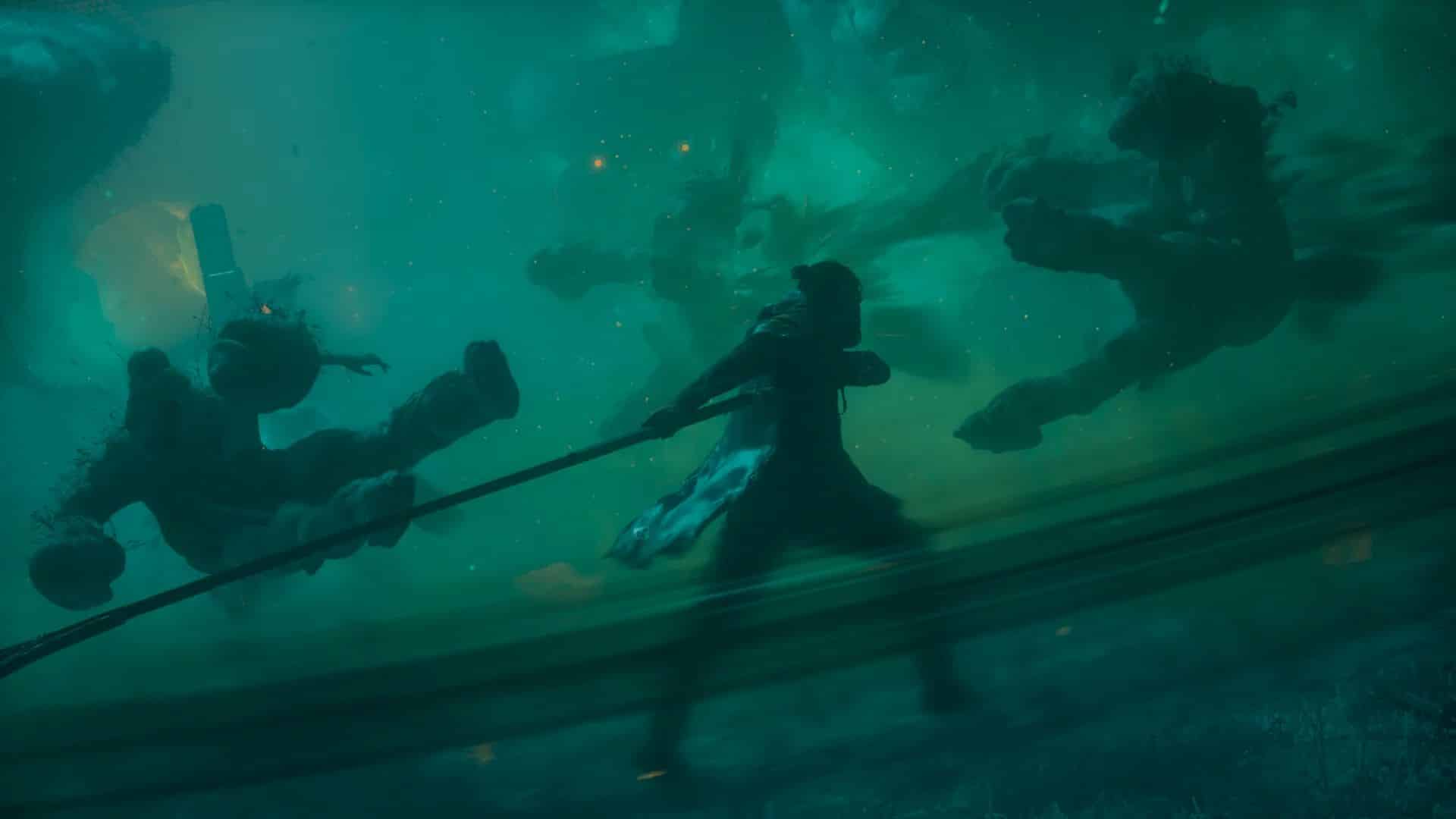
Star Wars gaming is entering a new strategic phase. Star Wars: Zero Company, a tactical turn-based title from Bit Reactor, Respawn Entertainment, and Lucasfilm Games, is deliberately moving away from the established RPG archetype of an instantaneously cohesive, hero-centric squad. Instead, the narrative focus is on forging a team from clashing personalities and conflicting ideologies during the morally ambiguous final stages of the Clone Wars. This design philosophy centers on Hawks, a resourceful leader navigating genuine friction within his crew, steering clear of a singular “chosen one” fantasy. The game promises a nuanced portrayal of wartime alliances, where tough choices strain relationships, and squad bonds—while unlocking tactical synergies—are neither linear nor universally harmonious. This article explores Zero Company’s shift from perfect hero squads, the complex group dynamics it fosters, and its intention to portray a more layered and tension-filled Star Wars conflict.
Ditching the “Chosen One” Fantasy for Collective Struggle
Aaron Contreras, Narrative Director for Zero Company, has explicitly framed the project as a rejection of personal power fantasies. In interviews, he states the game is “about a team” and is definitively “not a personal fantasy.” This principle fundamentally shapes the role of the protagonist, Hawks. He is not a predestined hero who single-handedly resolves the galaxy’s conflicts. Instead, Hawks is positioned as a pragmatic leader whose core challenge is negotiation, cunning, and managing a diverse group of operatives recruited from vastly different backgrounds across the galaxy. This shifts the narrative weight from individual prowess to collective struggle and leadership under pressure.
Crafting Real Friction Within the Squad
The central narrative and gameplay mechanic of Zero Company is the cultivation of authentic, often difficult, relationships within the squadron. Contreras emphasizes the goal of building a team with “real friction,” comprised of characters who do not always agree and whose relationships are less complacent than typical RPG camaraderies. The squad’s bond system develops as members fight together, unlocking synergies and abilities in combat. However, Bit Reactor clarifies this progression will not be linear or designed to please everyone simultaneously. Characters will hold strong, marked positions on events, and player decisions will inevitably create tension, forcing Hawks to balance often incompatible viewpoints within his unit.
Romantic Dynamics Divorced from the Player Character
Further deepening interpersonal complexity, Contreras has indicated that squad members may develop romantic feelings amongst themselves. Crucially, these dynamics are not centered on the player character, Hawks. This design choice reinforces the team-centric ethos, ensuring relational narratives are distributed across the entire group and do not default to orbiting the protagonist. It creates a richer, more autonomous web of relationships that the leader must observe and, potentially, manage as another source of potential cohesion or conflict.
A Morally Ambiguous Clone Wars Setting
The emphasis on clashing perspectives is narratively supported by the game’s specific timing: the final phase of the Clone Wars. Contreras notes that while audiences know the conflict’s ultimate outcome—the galaxy divided between Empire and Rebels—the moral lines during the Clone Wars were far less defined. This historical ambiguity provides fertile ground for a story filled with nuance, doubt, and characters possessing starkly different visions when facing hard choices. Zero Company aims to explore this gray area, moving beyond simple Republic-versus-Separatist dichotomies to interrogate the personal costs and ethical compromises of war.
XCOM-style Tactics Influenced by Squad State
As a single-player, turn-based strategy game inspired by the XCOM model, Zero Company integrates its narrative tensions directly into gameplay mechanics. The state of squad relationships will influence combat effectiveness. Strong bonds unlock synergistic abilities, but discord or unresolved conflicts could presumably hinder operational cohesion. This creates a dynamic loop where narrative decisions made during mission planning or in dialogue directly impact tactical performance on the battlefield, and vice-versa, where battlefield actions and outcomes affect the interpersonal standing within the team.
The Role of Hawks as a Tactical and Diplomatic Leader
Hawks’s role thus expands beyond traditional tactical command. He must function as both a field commander and an internal diplomat. Player choices will involve assessing mission parameters alongside the personal allegiances and ideological leanings of available squad members. Selecting a team for an operation may require weighing a specialist’s optimal skillset against their potential volatility or disagreement with another essential member. Leadership in Zero Company is portrayed as a continuous exercise in strategic compromise.
The Industry Shift from Power Fantasy to Collective Narrative
Zero Company’s approach reflects a broader trend in narrative-driven games, particularly within RPGs and strategy titles, moving away from unimpeded power fantasies. Games are increasingly exploring the dramatic potential of internal group conflict, limited resources, and leadership under constraint. By placing this framework within the iconic Star Wars universe—often associated with clear hero journeys—Bit Reactor is challenging a genre convention while staying true to the franchise’s foundational themes of rebellion, alliance, and difficult choices in times of war.
Star Wars: Zero Company is positioning itself not merely as a tactical challenge, but as a narrative experiment in wartime group dynamics. By rejecting the instant friendship trope and the perfect hero squad, it seeks to deliver a more grounded and stressful portrayal of leadership during galactic conflict. The game’s promise hinges on making players feel the weight of Hawks’s decisions both tactically and socially, where strengthening the squad’s combat power might simultaneously weaken its moral unity. In doing so, it aims to capture a seldom-seen dimension of the Star Wars saga: the fraught, messy, and human process of building a team when the lines between right and wrong are blurred, and every choice carries a cost for the fragile bonds trying to hold the company together.