The landscape of video game development is often painted as a relentless quest for capital, where studios vie for the attention and wallets of deep-pocketed publishers. For many, securing a major investment from a global giant like Tencent would represent the ultimate success, a ticket to realizing creative ambitions on a grand scale. Yet, for Derby-based studio Bulkhead, this narrative took an unexpected turn. The team, which had cut its teeth on indie projects and contract work, found that the immense financial backing offered by Tencent ultimately became a burden they chose not to bear, revealing a critical misalignment in vision and scale that is reshaping conversations about growth in the industry.
The Indie Foundation and the Shift to AAA Ambitions
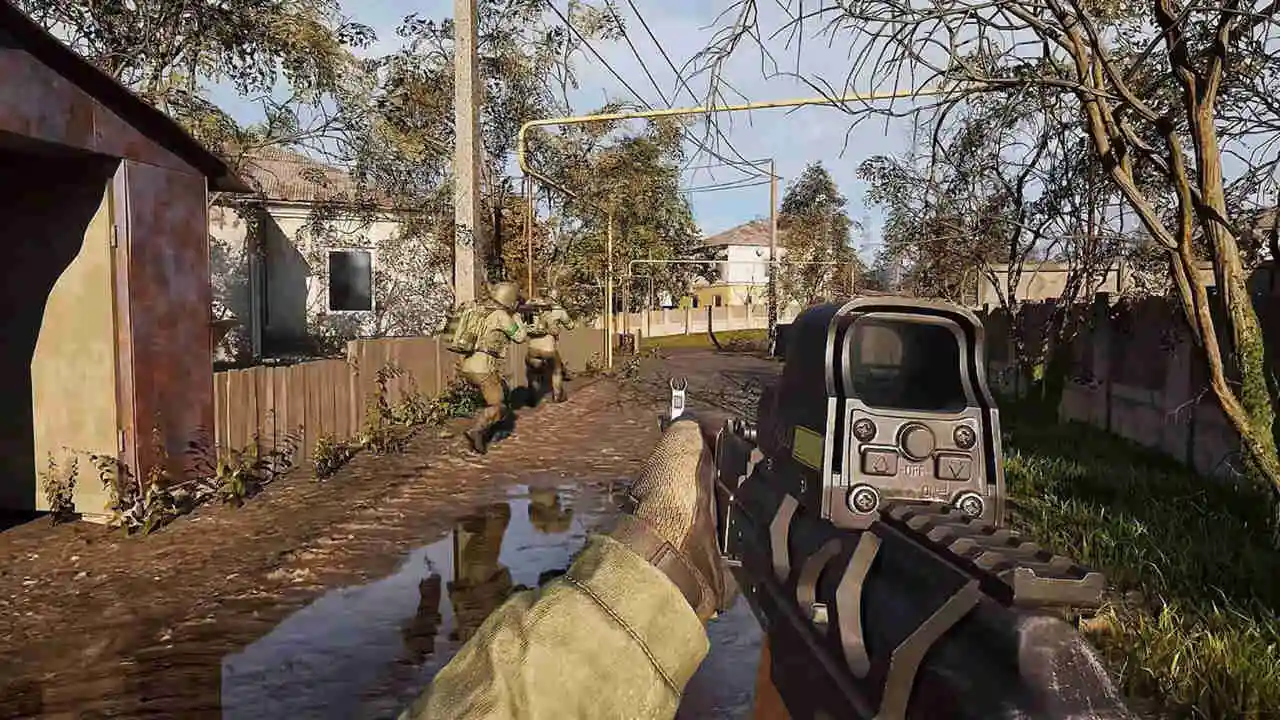
Bulkhead’s origins are rooted in the grassroots ethos of independent development. The studio first gained significant attention with Battalion 1944, a competitive first-person shooter launched in early access in 2018, which aimed to recapture the feel of classic multiplayer titles. Developed with a relatively modest budget and a passionate community-driven approach, it was a project born from a specific, focused vision. Following this, the studio engaged in successful contract work, including contributions to the Call of Duty franchise, honing their technical skills on major engines and pipelines. This period established Bulkhead as a capable, agile team comfortable with iterative development and direct player feedback.
The industry, however, was shifting. The meteoric success of live-service games and the escalating production values of AAA titles created an environment where scale became a dominant metric for publishers. Tencent, as one of the world’s largest gaming conglomerates, aggressively pursued studios that could produce the next global hit—games with the potential for massive player bases and recurring revenue streams. For a talented studio like Bulkhead, this attention was both flattering and transformative. Discussions moved from incremental funding to figures that dwarfed their previous financial reality.
A Funding Threshold That Redefined Scope
According to sources familiar with the negotiations, Tencent’s investment strategy for Bulkhead operated with a stark minimum threshold. “They wouldn’t look at any game that was less than £50 million,” one insider revealed. This figure wasn’t merely a suggestion; it was a baseline expectation for the kind of project Tencent believed was worth backing. For a studio accustomed to working with budgets orders of magnitude smaller, this presented a profound philosophical and practical challenge.
Suddenly, the scope of every proposed project had to be inflated to justify the investment. Ideas needed to be re-engineered from the ground up to incorporate expansive open worlds, cinematic storytelling rivaling major film studios, complex live-service ecosystems, or cutting-edge multiplayer infrastructures designed for millions of concurrent users. The creative focus risked shifting from “what game do we want to make?” to “what game can we build that costs at least £50 million?” This threshold, intended to de-risk investment by aiming for blockbuster returns, ironically introduced new risks for the development team itself.

The Practical Burdens of Excessive Capital
On the surface, an abundance of resources seems like an unalloyed good. In practice, for a mid-sized studio, it can create debilitating pressures. First, there is the operational scaling. A budget of £50 million or more necessitates a rapid and massive expansion of the team. Hiring dozens, if not hundreds, of new staff in a competitive market is a monumental task that can drain management focus and dilute studio culture. Integrating these new hires and maintaining a cohesive creative vision becomes a project in itself, often leading to bureaucratic bloat and communication overhead.
Second, the weight of expectations changes. A £5 million project can afford a niche audience or modest commercial success. A £50 million project must be a global phenomenon to be deemed a success, often requiring millions of unit sales or a highly monetized player base. This commercial imperative can constrain creative decisions, pushing design toward proven, market-tested formulas rather than innovation. For Bulkhead, whose identity was partly built on specific, community-focused shooter experiences, the pressure to cater to the broadest possible audience clashed with their development instincts.
When More Money Means Less Creative Freedom
Perhaps the most significant tension arose around creative autonomy. Large investments from corporate entities like Tencent rarely come without strings. While publishers may offer initial creative freedom, the sheer scale of the investment inevitably leads to increased oversight, more frequent milestone reviews, and a heightened focus on key performance indicators (KPIs) during development. The relationship shifts from partnership to a form of stewardship, where the investor’s financial model must be protected.
Bulkhead’s leadership recognized that accepting such a large sum would mean their project was no longer truly theirs. Decision-making power on core features, art direction, narrative, and monetization strategies would increasingly need to align with Tencent’s global portfolio strategy and market analysis. The studio faced a choice: trade a significant portion of their creative sovereignty for a budget that exceeded their experiential capacity, or step back and define success on their own terms.
The Strategic Decision to Walk Away
In a move that defies conventional industry wisdom, Bulkhead chose the latter path. They declined to pursue projects under the £50 million minimum framework proposed by Tencent. This was not a decision made from a lack of ambition or capability, but from a clear-eyed assessment of their studio’s strengths, culture, and long-term goals. They understood that their operational expertise was optimized for agile, focused development, not for managing the sprawling production apparatus of a modern AAA tentpole.
This decision highlights a growing, if underreported, sentiment within the development community. The pursuit of “bigger is better” is not universally applicable. For some studios, excessive funding can be as destructive as a lack of funding, leading to project bloat, missed deadlines, cultural turmoil, and, in the worst cases, studio closure after a single failed mega-project. Bulkhead’s choice was a strategic defense of their studio’s health and identity.
Reevaluating Success in Game Development
The Bulkhead episode forces a reevaluation of what constitutes a successful developer-publisher relationship. Success is not solely measured by the size of the check, but by the alignment of vision, scale, and operational reality. A sustainable partnership matches a studio’s proven capacity with a project’s appropriate budget, allowing for growth without overwhelming the core team. It respects the studio’s culture and creative process while providing the resources needed to execute. The £50 million threshold, in Bulkhead’s case, represented a mismatch on all these fronts.
Other studios are likely observing this situation closely. In an era where venture capital and corporate investment are flooding into gaming, Bulkhead’s story serves as a crucial case study. It demonstrates that saying “no” to vast sums of money can be a sign of strength and self-awareness, not failure. It underscores the importance of knowing your studio’s “comfort zone” of budget and scale and being wary of projects that force you too far outside of it, regardless of the financial allure.
The path forward for Bulkhead is now defined by its own metrics. By stepping away from Tencent’s blockbuster-or-bust model, the studio has reclaimed its agency. They can continue to build on their expertise in tactical shooters and contract work, potentially seeking partnerships that offer growth without gargantuan, risk-laden leaps. Their story is a powerful reminder that in the creative industry, the right amount of funding is the amount that empowers a team without eclipsing it, allowing the craft of game development to flourish on its own terms, not just on a balance sheet.