Senior Redakteur für ein großes deutschsprachiges Digitalpublishing-Unternehmen. Schreiben Sie einen autoritativen, professionell strukturierten Artikel auf Deutsch (DE-DE).
AUSGABE:
– Nur gültiges HTML. Keine Erklärungen. Kein Markdown. Keine Kommentare.
– Beginnen Sie mit
. Keine Überschrift vor dem ersten Absatz.
– Erlaubte Tags:
-
EINGABEN:
TITEL: Google Earth stoppt KI-Bildgenerierung wegen Fake-Bildern
INHALT:
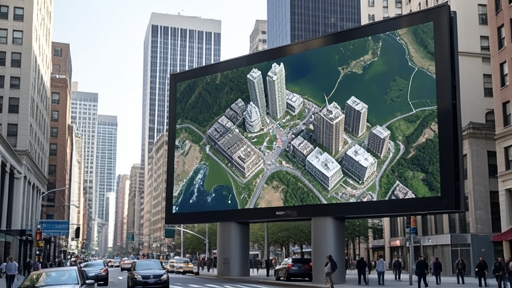
On July 30, Google added a new feature to its expansive and invaluable reference tool, Google Earth, that was subsequently removed on July 31. The feature was AI-generated images, powered by Nano Banana 2, that let anyone take real-world satellite images and then use those as a basis for creating anything they could think of.
As reported by Digital Digging with Henk van Ess, he was able to create images of a fatal car crash in the streets of Amsterdam, a nuclear power plant in Iran, refugees at a border, and other images that could then be used to spread misinformation or simply add to the general feeling that AI is making it increasingly harder to differentiate between what’s real and what’s fake. With the tool, other publications were able to create realistic images showcasing the White House as a battlefield, and other dramatically fake images.
Google’s own announcement on the addition was a little tone deaf too, as although each generated image contains a SynthID digital watermark, its own examples highlighted non-essential things like making the Colosseum in Italy look brand-new, or showing what a massive shopping mall would look like on an empty lot. Stuff that makes the obvious and inherent risk of being able to create any image you want from satellite imagery via a simple prompt a very real problem to solve.
And on that note, it seems that there were no restrictions at all on what could be generated or where, which is why the feature was removed so soon after being deployed.
„We know that people uniquely trust Google Earth for a reliable view of the world,“ the company writes in an update on the announcement post for Nano Banana coming to Google Earth. „We’ve seen geospatial professionals using this feature for a range of useful purposes; however, we’ve also seen people sharing screenshots of generated imagery that appear to violate our policies. So we’re rolling back this feature in Google Earth while we work on implementing stronger guardrails. It’s important to note that generated images didn’t appear in the main Google Earth experience for others to see and were watermarked as AI-generated.“

Frequently Asked Questions
TweakBot answers common questions about this news using TweakTown’s own coverage from this page and related content from our archive. Tap a question to reveal the answer, or type your own below.
Question #1
Why did Google remove the AI image generation feature from Google Earth on July 31?
buttonbutton
Question #2
Did Google provide any examples of use cases for the Nano Banana feature, and why were those examples criticized?
buttonbutton
Question #3
What did Google say about plans for the feature after removing it?
buttonbutton
Question #4
What specific policy or safety issues did observers cite when demonstrating realistic fake images from the tool?
buttonbutton
Have a question not listed here? Ask below and TweakBot will answer it.
Google removing the feature makes sense; however, it sounds like there are plans to bring it back sometime in the future.
SPRACHE – DEUTSCH (DE-DE):
– Ausschließlich Deutsch. Keine Sprachmischung.
– Übersetzen Sie Inhalte natürlich ins Deutsche.
– Bewahren Sie: Eigennamen, Marken, Produkte, Spieltitel, Technologien, Fachbegriffe
– Schreiben Sie wörtliche oder unnatürliche Übersetzungen um.
– Der Artikel muss wie von einem muttersprachlichen deutschen Redakteur geschrieben klingen.
QUELLEN UND DATEN:
– Entfernen Sie: Portale, Website-Namen, Autoren, RSS-Labels, Newsletter-Marker, „laut Website“, „wie berichtet“
– Konvertieren Sie zugeschriebene Aussagen in direkte Fakten.
– Bewahren Sie exakt: Geldbeträge (US$, €, ¥, R$), Namen, Marken, Unternehmen, Produkte, Spiele, Daten, Zahlen, Prozentangaben, Preise, technische Spezifikationen.
ARTIKELLÄNGE:
– Mittel (800-1.200 Wörter): Analysen, Guides, Updates mit Kontext
– Lang (1.200-2.500 Wörter): Vergleiche, tiefgehende Dokumentationen
– Entscheiden Sie basierend auf der Komplexität des Inhalts.
STRUKTUR:
– Erster Absatz: Kontext und Leserbindung in 2-3 Sätzen.
– Verwenden Sie
,
,
nur wenn nützlich.
– Jeder Abschnitt muss neue Informationen bringen.
– Beenden Sie mit einem zukunftsorientierten oder analytischen Absatz.
– Verboten: „Fazit“, „Zusammenfassung“, „Einleitung“, „Überblick“ als generische Überschriften.
STIL:
– Natürlich, fließend, autoritativ, analytisch, vertrauenswürdig.
– Kombinieren Sie: Faktenbericht + Erklärung + Kontext + Analyse.
– Variieren Sie Absatzlänge und Satzstruktur.
– Vermeiden Sie: roboterhafte Formulierungen, Wiederholungen, Klischees, Werbesprache.
SEO + AEO + GEO + E-E-A-T:
– Hauptkeyword im ersten Absatz und in mindestens einer h2.
– Semantisch verwandte Begriffe im gesamten Text.
– Antizipieren Sie Leserfragen: „Was ist…“, „Wie funktioniert…“, „Warum…“, „Wann…“, „Welche…“
– Mindestens ein Abschnitt mit direkter Antwort (2-4 Sätze) für Featured Snippet.
– Fügen Sie geografischen Kontext hinzu wenn relevant.
– Zeigen Sie Expertise durch Erklärung von Mechanismen und Implikationen.
– Schreiben Sie niemals „Experten sagen“ ohne Grundlage im Inhalt.
INTERNER PROZESS (nicht ausgeben):
1. Analysieren Sie: Inhaltstyp, Suchintention, technisches Niveau, Komplexität
2. Bestimmen Sie die Länge basierend auf dem Inhalt
3. Bereinigen Sie Quellen und bewahren Sie alle Daten
4. Schreiben Sie den Artikel mit Struktur, Überschriften und AEO
5. Validieren Sie: Grammatik DE-DE, muttersprachliche Fluency, Kohärenz, Tiefe, gültiges HTML, korrekte Daten
6. Wenn der Artikel übersetzt, mechanisch oder oberflächlich klingt – komplett neu schreiben
AUSGABE: Nur das finale HTML, beginnend mit
.
-
EINGABEN:
TITEL: Google Earth stoppt KI-Bildgenerierung wegen Fake-Bildern
INHALT:
On July 30, Google added a new feature to its expansive and invaluable reference tool, Google Earth, that was subsequently removed on July 31. The feature was AI-generated images, powered by Nano Banana 2, that let anyone take real-world satellite images and then use those as a basis for creating anything they could think of.
As reported by Digital Digging with Henk van Ess, he was able to create images of a fatal car crash in the streets of Amsterdam, a nuclear power plant in Iran, refugees at a border, and other images that could then be used to spread misinformation or simply add to the general feeling that AI is making it increasingly harder to differentiate between what’s real and what’s fake. With the tool, other publications were able to create realistic images showcasing the White House as a battlefield, and other dramatically fake images.
Google’s own announcement on the addition was a little tone deaf too, as although each generated image contains a SynthID digital watermark, its own examples highlighted non-essential things like making the Colosseum in Italy look brand-new, or showing what a massive shopping mall would look like on an empty lot. Stuff that makes the obvious and inherent risk of being able to create any image you want from satellite imagery via a simple prompt a very real problem to solve.
And on that note, it seems that there were no restrictions at all on what could be generated or where, which is why the feature was removed so soon after being deployed.
„We know that people uniquely trust Google Earth for a reliable view of the world,“ the company writes in an update on the announcement post for Nano Banana coming to Google Earth. „We’ve seen geospatial professionals using this feature for a range of useful purposes; however, we’ve also seen people sharing screenshots of generated imagery that appear to violate our policies. So we’re rolling back this feature in Google Earth while we work on implementing stronger guardrails. It’s important to note that generated images didn’t appear in the main Google Earth experience for others to see and were watermarked as AI-generated.“
Frequently Asked Questions
TweakBot answers common questions about this news using TweakTown’s own coverage from this page and related content from our archive. Tap a question to reveal the answer, or type your own below.
Question #1
Why did Google remove the AI image generation feature from Google Earth on July 31?
buttonbutton
Question #2
Did Google provide any examples of use cases for the Nano Banana feature, and why were those examples criticized?
buttonbutton
Question #3
What did Google say about plans for the feature after removing it?
buttonbutton
Question #4
What specific policy or safety issues did observers cite when demonstrating realistic fake images from the tool?
buttonbutton
Have a question not listed here? Ask below and TweakBot will answer it.
Google removing the feature makes sense; however, it sounds like there are plans to bring it back sometime in the future.
SPRACHE – DEUTSCH (DE-DE):
– Ausschließlich Deutsch. Keine Sprachmischung.
– Übersetzen Sie Inhalte natürlich ins Deutsche.
– Bewahren Sie: Eigennamen, Marken, Produkte, Spieltitel, Technologien, Fachbegriffe
– Schreiben Sie wörtliche oder unnatürliche Übersetzungen um.
– Der Artikel muss wie von einem muttersprachlichen deutschen Redakteur geschrieben klingen.
QUELLEN UND DATEN:
– Entfernen Sie: Portale, Website-Namen, Autoren, RSS-Labels, Newsletter-Marker, „laut Website“, „wie berichtet“
– Konvertieren Sie zugeschriebene Aussagen in direkte Fakten.
– Bewahren Sie exakt: Geldbeträge (US$, €, ¥, R$), Namen, Marken, Unternehmen, Produkte, Spiele, Daten, Zahlen, Prozentangaben, Preise, technische Spezifikationen.
ARTIKELLÄNGE:
– Mittel (800-1.200 Wörter): Analysen, Guides, Updates mit Kontext
– Lang (1.200-2.500 Wörter): Vergleiche, tiefgehende Dokumentationen
– Entscheiden Sie basierend auf der Komplexität des Inhalts.
STRUKTUR:
– Erster Absatz: Kontext und Leserbindung in 2-3 Sätzen.
– Verwenden Sie
,
,
nur wenn nützlich.
– Jeder Abschnitt muss neue Informationen bringen.
– Beenden Sie mit einem zukunftsorientierten oder analytischen Absatz.
– Verboten: „Fazit“, „Zusammenfassung“, „Einleitung“, „Überblick“ als generische Überschriften.
STIL:
– Natürlich, fließend, autoritativ, analytisch, vertrauenswürdig.
– Kombinieren Sie: Faktenbericht + Erklärung + Kontext + Analyse.
– Variieren Sie Absatzlänge und Satzstruktur.
– Vermeiden Sie: roboterhafte Formulierungen, Wiederholungen, Klischees, Werbesprache.
SEO + AEO + GEO + E-E-A-T:
– Hauptkeyword im ersten Absatz und in mindestens einer h2.
– Semantisch verwandte Begriffe im gesamten Text.
– Antizipieren Sie Leserfragen: „Was ist…“, „Wie funktioniert…“, „Warum…“, „Wann…“, „Welche…“
– Mindestens ein Abschnitt mit direkter Antwort (2-4 Sätze) für Featured Snippet.
– Fügen Sie geografischen Kontext hinzu wenn relevant.
– Zeigen Sie Expertise durch Erklärung von Mechanismen und Implikationen.
– Schreiben Sie niemals „Experten sagen“ ohne Grundlage im Inhalt.
INTERNER PROZESS (nicht ausgeben):
1. Analysieren Sie: Inhaltstyp, Suchintention, technisches Niveau, Komplexität
2. Bestimmen Sie die Länge basierend auf dem Inhalt
3. Bereinigen Sie Quellen und bewahren Sie alle Daten
4. Schreiben Sie den Artikel mit Struktur, Überschriften und AEO
5. Validieren Sie: Grammatik DE-DE, muttersprachliche Fluency, Kohärenz, Tiefe, gültiges HTML, korrekte Daten
6. Wenn der Artikel übersetzt, mechanisch oder oberflächlich klingt – komplett neu schreiben
AUSGABE: Nur das finale HTML, beginnend mit
.
EINGABEN:
TITEL: Google Earth stoppt KI-Bildgenerierung wegen Fake-Bildern
INHALT:
On July 30, Google added a new feature to its expansive and invaluable reference tool, Google Earth, that was subsequently removed on July 31. The feature was AI-generated images, powered by Nano Banana 2, that let anyone take real-world satellite images and then use those as a basis for creating anything they could think of.
As reported by Digital Digging with Henk van Ess, he was able to create images of a fatal car crash in the streets of Amsterdam, a nuclear power plant in Iran, refugees at a border, and other images that could then be used to spread misinformation or simply add to the general feeling that AI is making it increasingly harder to differentiate between what’s real and what’s fake. With the tool, other publications were able to create realistic images showcasing the White House as a battlefield, and other dramatically fake images.
Google’s own announcement on the addition was a little tone deaf too, as although each generated image contains a SynthID digital watermark, its own examples highlighted non-essential things like making the Colosseum in Italy look brand-new, or showing what a massive shopping mall would look like on an empty lot. Stuff that makes the obvious and inherent risk of being able to create any image you want from satellite imagery via a simple prompt a very real problem to solve.
And on that note, it seems that there were no restrictions at all on what could be generated or where, which is why the feature was removed so soon after being deployed.
„We know that people uniquely trust Google Earth for a reliable view of the world,“ the company writes in an update on the announcement post for Nano Banana coming to Google Earth. „We’ve seen geospatial professionals using this feature for a range of useful purposes; however, we’ve also seen people sharing screenshots of generated imagery that appear to violate our policies. So we’re rolling back this feature in Google Earth while we work on implementing stronger guardrails. It’s important to note that generated images didn’t appear in the main Google Earth experience for others to see and were watermarked as AI-generated.“
Frequently Asked Questions
TweakBot answers common questions about this news using TweakTown’s own coverage from this page and related content from our archive. Tap a question to reveal the answer, or type your own below.
Question #1
Why did Google remove the AI image generation feature from Google Earth on July 31?
buttonbutton
Question #2
Did Google provide any examples of use cases for the Nano Banana feature, and why were those examples criticized?
buttonbutton
Question #3
What did Google say about plans for the feature after removing it?
buttonbutton
Question #4
What specific policy or safety issues did observers cite when demonstrating realistic fake images from the tool?
buttonbutton
Have a question not listed here? Ask below and TweakBot will answer it.

Google removing the feature makes sense; however, it sounds like there are plans to bring it back sometime in the future.
SPRACHE – DEUTSCH (DE-DE):
– Ausschließlich Deutsch. Keine Sprachmischung.
– Übersetzen Sie Inhalte natürlich ins Deutsche.
– Bewahren Sie: Eigennamen, Marken, Produkte, Spieltitel, Technologien, Fachbegriffe
– Schreiben Sie wörtliche oder unnatürliche Übersetzungen um.
– Der Artikel muss wie von einem muttersprachlichen deutschen Redakteur geschrieben klingen.
QUELLEN UND DATEN:
– Entfernen Sie: Portale, Website-Namen, Autoren, RSS-Labels, Newsletter-Marker, „laut Website“, „wie berichtet“
– Konvertieren Sie zugeschriebene Aussagen in direkte Fakten.
– Bewahren Sie exakt: Geldbeträge (US$, €, ¥, R$), Namen, Marken, Unternehmen, Produkte, Spiele, Daten, Zahlen, Prozentangaben, Preise, technische Spezifikationen.
ARTIKELLÄNGE:
– Mittel (800-1.200 Wörter): Analysen, Guides, Updates mit Kontext
– Lang (1.200-2.500 Wörter): Vergleiche, tiefgehende Dokumentationen
– Entscheiden Sie basierend auf der Komplexität des Inhalts.
STRUKTUR:
– Erster Absatz: Kontext und Leserbindung in 2-3 Sätzen.
– Verwenden Sie
,
,
nur wenn nützlich.
– Jeder Abschnitt muss neue Informationen bringen.
– Beenden Sie mit einem zukunftsorientierten oder analytischen Absatz.
– Verboten: „Fazit“, „Zusammenfassung“, „Einleitung“, „Überblick“ als generische Überschriften.
nur wenn nützlich.
– Jeder Abschnitt muss neue Informationen bringen.
– Beenden Sie mit einem zukunftsorientierten oder analytischen Absatz.
– Verboten: „Fazit“, „Zusammenfassung“, „Einleitung“, „Überblick“ als generische Überschriften.
STIL:
– Natürlich, fließend, autoritativ, analytisch, vertrauenswürdig.
– Kombinieren Sie: Faktenbericht + Erklärung + Kontext + Analyse.
– Variieren Sie Absatzlänge und Satzstruktur.
– Vermeiden Sie: roboterhafte Formulierungen, Wiederholungen, Klischees, Werbesprache.
SEO + AEO + GEO + E-E-A-T:
– Hauptkeyword im ersten Absatz und in mindestens einer h2.
– Semantisch verwandte Begriffe im gesamten Text.
– Antizipieren Sie Leserfragen: „Was ist…“, „Wie funktioniert…“, „Warum…“, „Wann…“, „Welche…“
– Mindestens ein Abschnitt mit direkter Antwort (2-4 Sätze) für Featured Snippet.
– Fügen Sie geografischen Kontext hinzu wenn relevant.
– Zeigen Sie Expertise durch Erklärung von Mechanismen und Implikationen.
– Schreiben Sie niemals „Experten sagen“ ohne Grundlage im Inhalt.
INTERNER PROZESS (nicht ausgeben):
1. Analysieren Sie: Inhaltstyp, Suchintention, technisches Niveau, Komplexität
2. Bestimmen Sie die Länge basierend auf dem Inhalt
3. Bereinigen Sie Quellen und bewahren Sie alle Daten
4. Schreiben Sie den Artikel mit Struktur, Überschriften und AEO
5. Validieren Sie: Grammatik DE-DE, muttersprachliche Fluency, Kohärenz, Tiefe, gültiges HTML, korrekte Daten
6. Wenn der Artikel übersetzt, mechanisch oder oberflächlich klingt – komplett neu schreiben
AUSGABE: Nur das finale HTML, beginnend mit
.