The unprecedented anticipation surrounding Rockstar Games’ Grand Theft Auto VI is creating a dual impact across the video game industry: intense internal pressure on its developers and a strategic reshuffling of release schedules by competing studios. As the game approaches its scheduled launch in late 2026, the weight of expectation has become a tangible force, prompting veteran developers to speak out about the psychological toll and commercial realities of competing with a cultural behemoth.
The Burden of Expectation on Rockstar Developers
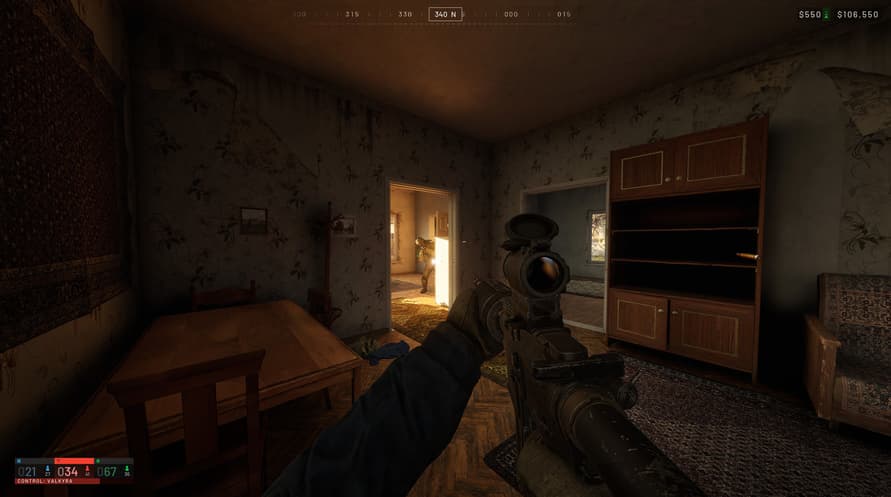
Industry veteran Craig Clark, producer of the acclaimed shooter Hell Let Loose, has publicly articulated what many have speculated: the monumental hype for GTA VI is likely creating significant anxiety within Rockstar’s development teams. In a candid interview with GamesRadar, Clark suggested that the very excitement fueling the game’s pre-launch atmosphere also generates profound concern among those responsible for delivering the final product.
“The more excited people get, the more you worry,” Clark explained. “I feel like Rockstar must be trembling. Like… you need to see the garbage collectors passing by on Tuesday at 9 a.m. to pick up the trash. And then you think: ‘Oh no, are people expecting too much? Can we meet everyone’s expectations exactly?’ And that’s the biggest concern, more than anything else.”
When Fan Expectations Become Development Pressure
Clark’s commentary highlights a rarely-discussed paradox of blockbuster game development: overwhelming public enthusiasm can transform from marketing asset to psychological burden. For a franchise like Grand Theft Auto, which has consistently redefined open-world gaming since its inception, the expectation isn’t merely for another sequel, but for another generational leap forward.
“I think the game is good, I think the gameplay is good, I’m enjoying it,” Clark continued, imagining the Rockstar developers’ perspective, “but what if someone says: ‘Well, I expected to be able to do this, this and that, and for this to happen’? I’m like… ‘I’m sorry.'” This fundamental disconnect between developer vision and player expectation represents one of the most significant challenges in modern AAA game production, particularly for titles operating under the industry’s brightest spotlight.
The Ripple Effect on the Broader Games Industry
Beyond the internal dynamics at Rockstar, the gravitational pull of GTA VI is causing observable shifts across the entire release calendar. Clark confirmed what industry analysts have suspected: numerous studios are actively avoiding the launch window of Rockstar’s title for purely commercial reasons.
“Everyone is going to avoid GTA like the plague,” Clark stated bluntly, despite believing his own project, Hell Let Loose: Vietnam, serves a different niche audience. “I’ll avoid it more for commercial reasons, but in terms of player base, I think it’s completely different.” This strategic avoidance represents a significant acknowledgment of GTA VI’s projected market dominance, with publishers unwilling to risk their titles being overshadowed or commercially drowned out.
Evidence of Calendar Reshuffling
Early signs of this industry-wide recalibration are already visible. Insomniac Games’ Marvel’s Wolverine, another highly anticipated title, has been announced for a September release, maintaining a cautious distance from GTA VI’s expected November arrival. This pattern is likely to repeat across the industry, creating unusual gaps or clusters in the 2026 release schedule as publishers jockey for position in the months immediately before and after Rockstar’s launch.
The phenomenon isn’t new—major franchises have often caused competitors to shift dates—but the scale of GTA VI’s anticipated impact appears unprecedented. The game’s cultural penetration extends beyond traditional gaming audiences, promising launch-week sales figures that could dwarf even other successful AAA releases, making direct competition a potentially disastrous commercial decision for all but the most established franchises.
Historical Context of Blockbuster Pressure
The pressure currently surrounding GTA VI finds echoes in gaming history, though perhaps at a lower magnitude. The launches of titles like Half-Life 2, The Legend of Zelda: Ocarina of Time, and Rockstar’s own Grand Theft Auto V each carried tremendous weight of expectation, with developers reporting similar anxieties about meeting fan visions perfected over years of anticipation.
What distinguishes the current situation is the exponential growth of gaming’s mainstream audience and the amplification provided by social media and content creation platforms. Hype is no longer contained within specialist magazines and forums; it proliferates across TikTok, YouTube, Twitter, and Twitch, building a composite—and often unrealistic—vision of a game before a single public gameplay demo has been shown.
The Evolution of Hype Cycles
Modern hype cycles begin earlier, last longer, and reach further than ever before. A single trailer for GTA VI broke YouTube records, and speculative content about the game generates millions of views monthly. This constant, multi-platform conversation creates a living expectation that developers must somehow anticipate and address, a task Clark describes as nearly impossible given the diversity of player desires.
This environment raises difficult questions about game marketing in the social media age. How much should developers engage with fan speculation? When does community excitement become a liability? And how can studios manage expectations without dampening legitimate enthusiasm? For Rockstar, known for its controlled, almost secretive marketing approach, these questions are particularly acute.
The Commercial Calculus of Avoiding GTA VI
For other developers and publishers, the decision to avoid GTA VI’s launch window involves complex calculation. The immediate weeks following a mega-release often see depressed sales for other titles as player attention, disposable income, and media coverage become overwhelmingly concentrated on a single product.
Clark’s perspective as a producer on a large-scale, niche shooter is particularly instructive. Hell Let Loose: Vietnam targets a specific, dedicated audience interested in realistic, team-based military combat—a demographic that overlaps only partially with GTA’s broad, mainstream appeal. Yet even with this differentiated positioning, the commercial risk is deemed too significant to ignore.
Niche Markets and Mainstream Shadows
“In terms of player base, I think it’s completely different,” Clark noted about his project relative to GTA VI. This acknowledgment highlights an important industry truth: even games serving distinct audiences can suffer when launching alongside a cultural phenomenon. Media outlets allocate finite review resources, streaming platforms highlight trending titles, and community conversations become monopolized, leaving smaller titles struggling for oxygen regardless of their quality or target market.
The result is likely to be a compressed release calendar in early 2027, as titles delayed from late 2026 finally reach market, followed by another drought as studios avoid the inevitable post-launch expansion content and updates for GTA VI. This cyclical disruption represents one of the less visible but most significant impacts of a title achieving such dominant status.
Psychological Dimensions of Development Under Spotlight
Returning to Clark’s primary observation about developer anxiety, his comments reveal the human cost of creating entertainment under extreme scrutiny. Game development is inherently iterative, involving constant revision, cut features, and changed directions—processes that become exponentially more difficult when millions of fans have already formed specific expectations based on early trailers, leaks, and speculation.
The “garbage collector” analogy Clark uses is particularly revealing. It suggests a grounding mechanism, a moment of mundane reality that contrasts with the overwhelming scale of the project. This need for perspective is crucial for teams working on years-long developments, where feature creep and perfectionism can derail projects entirely if not carefully managed.
Balancing Vision and Expectation
Ultimately, Rockstar’s challenge—and that of any studio operating at this scale—is to balance creative vision with audience expectation. The studio’s historical success suggests a strong capability in this regard, with each major Grand Theft Auto release not only meeting but often exceeding what fans believed possible. Yet the stakes have never been higher, the audience never larger, and the scrutiny never more intense.
As the industry watches Rockstar navigate these final months of development, the broader lessons will extend far beyond a single title’s launch. How developers manage unprecedented hype, how publishers strategize around cultural phenomena, and how creators maintain psychological equilibrium under extreme pressure will define not just the success of GTA VI, but the practices of the industry for years to come. The true test may not be whether the game meets expectations, but whether the structures of game development can withstand the weight of expectations now being placed upon them.
The approaching launch of Grand Theft Auto VI represents more than another major game release; it serves as a stress test for the entire video game industry’s production, marketing, and distribution models. The pressures described by developers like Craig Clark reveal the human and creative costs behind blockbuster entertainment, while the strategic calendar shifts demonstrate the commercial realities of competing in an increasingly winner-takes-all market. As November approaches, all eyes will be on how Rockstar manages this unprecedented convergence of expectation, ambition, and scrutiny—a process that will undoubtedly reshape industry practices regardless of the final critical reception.