The gaming world has been waiting for Pearl Abyss’s Crimson Desert since its initial reveal, with expectations soaring for what promised to be a groundbreaking fantasy epic. Now, with the review embargo lifted, the critical verdict is in—and it reveals a deeply divided landscape. With a current Metacritic average of 78 and an OpenCritic score of 80, the game stands as one of the most polarizing major releases of the year, celebrated for its staggering scale and ambition while simultaneously criticized for its lack of polish and narrative cohesion.
The Critical Consensus: A World of Contradictions
Navigating the sea of reviews for Crimson Desert presents a fascinating study in contrasts. The game has managed to achieve the rare feat of securing perfect scores from some outlets while receiving scathing, sub-par ratings from others. This split is not merely about subjective taste but points directly to the core strengths and weaknesses that define the entire experience. For every critic who found themselves lost in its vast, living world, another felt adrift in a sea of disjointed systems and frustrating design choices.
Unanimous Praise for Scale and Visual Grandeur
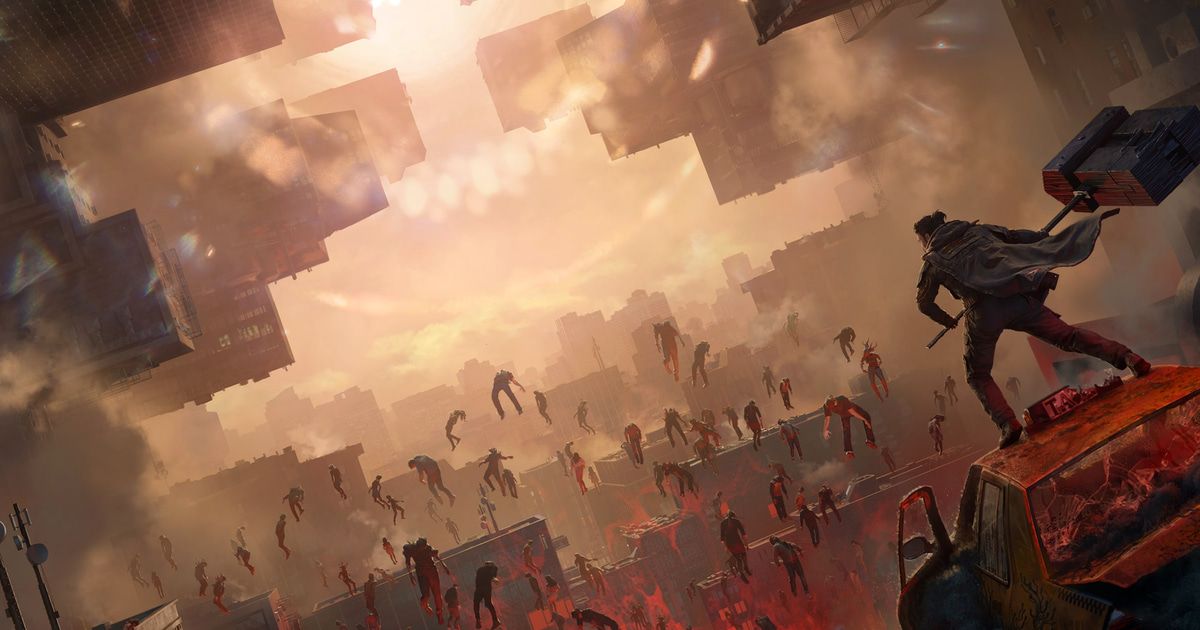
Where critics universally agree is on the game’s technical and artistic ambition. The world of Crimson Desert is frequently described as “visually dazzling,” “vast,” and “alive.” Reviewers from nearly every publication highlighted the sheer sense of scale and freedom as the game’s primary achievement. The open world is not just large for the sake of being large; it is densely packed with secrets, dynamic events, and environmental storytelling that encourages organic exploration.
“Crimson Desert combina todos os aspectos fenomenais de alguns dos títulos mais marcantes das últimas décadas,” wrote DualShockers in their 95/100 review, drawing direct comparisons to the discovery of Elden Ring, the depth of Skyrim, and the moment-to-moment unpredictability of Red Dead Redemption 2. This sentiment is echoed across positive reviews, which often cite the game’s world as its single greatest triumph—a sandbox that “almost overshadows its confusing elements,” as noted by Digital Spy in their 80/100 score.
Combat Depth and Player Expression
Another pillar of praise is the game’s combat system. Described as “deep,” “challenging,” and “impactful,” the mechanics reward patience and dedication. Players are given a significant degree of freedom in how they approach encounters, with complex systems governing everything from weapon mastery to magical abilities. The boss fights, in particular, have been highlighted as memorable high points, demanding strategic thinking and mastery of the game’s mechanics rather than simple button-mashing.

GameSpot’s 70/100 review praised the combat’s “emphasis on player expression,” noting that it elevates the experience even when other elements falter. This focus on a deep, rewarding gameplay loop appears to be a core tenet of Pearl Abyss’s design philosophy, carried over from their experience with the MMO Black Desert Online, but refined here for a single-player, narrative-driven experience.
The Recurring Criticisms: A Lack of Polish and Cohesion
If the world and combat represent the game’s soaring highs, the consistent criticisms point to its foundational cracks. The most frequently cited issues form a clear pattern: a weak narrative, underdeveloped characters, an overabundance of poorly integrated systems, and a pervasive lack of polish.
Narrative Shortcomings and Character Void
Perhaps the most damning critique across lower-scoring reviews is the game’s failure to match its environmental storytelling with a compelling central narrative. Eurogamer’s 60/100 review asked pointedly, “de que adianta isso sem muito caráter, textura ou charme?” Critics describe the main story as generic, poorly paced, and failing to provide meaningful context for the player’s monumental journey. The characters you meet are often labeled forgettable, serving more as quest dispensers than as emotional anchors in the world.
This creates a strange dissonance. Players are exploring a world brimming with potential stories in every cave and on every hilltop, yet the central tale meant to guide them feels hollow. The narrative fails to leverage the incredible setting, leaving many to wonder what could have been with a script and character development that matched the visual ambition.
An Overstuffed and Unpolished Experience
The second major cluster of complaints revolves around the game’s sheer bloat and technical state. Multiple reviews reference “excess,” “frustrating design decisions,” and quests that feel “like they’re from an MMO.” Shacknews, in their harsh 50/100 review, called the game “an exercise in excess” that ultimately works against itself. The criticism suggests that Pearl Abyss may have fallen into the trap of believing that more content inherently equals a better game, without sufficiently curating or refining that content.
This is compounded by reports of bugs, performance inconsistencies, and a general lack of polish. For a game that asks for dozens, if not hundreds, of hours of a player’s time, these technical issues can become deal-breakers, interrupting immersion and highlighting the seams in the game’s grand design.
Dissecting the Review Scores: From Rave to Rebuke
The full spectrum of scores tells the story better than any single metric. At the top end, publications like Gameliner, Vice, Forbes, DualShockers, and GamingTrend awarded scores between 95 and 100, placing Crimson Desert in the pantheon of all-time greats for them. These reviews overwhelmingly focus on the transcendent experience of exploration and the empowering combat, willingly overlooking or forgiving the narrative and technical flaws in favor of the game’s monumental achievements.
The middle ground, represented by scores from 70 to 85 from outlets like GameSpot, Destructoid, and GamesRadar+, acknowledges the flaws but finds the core experience compelling enough to recommend. GameSpot’s review perfectly encapsulates this stance, calling the game “frequently exciting” and “a world worth getting lost in,” despite not being “the most cohesive experience.”
On the lower end, scores of 60 and below from PCGamesN, Eurogamer, VG247, WellPlayed, Shacknews, and Critical Hits (45) paint a picture of a missed opportunity. These reviews are united by a sense of frustration—that the incredible raw materials were not shaped into a coherent whole. The common thread is that the game’s size and scope become liabilities, creating fatigue and highlighting its weaknesses rather than showcasing its strengths.
The MMO Legacy: A Double-Edged Sword
A recurring analytical point is the clear influence of Pearl Abyss’s background in massively multiplayer online games. This heritage manifests in both positive and negative ways. On one hand, it informs the deep, systemic combat, the extensive skill progression, and the living-world philosophy that makes exploration so rewarding. On the other hand, it is blamed for the grindy, repetitive quest design, the overwhelming number of disparate systems (crafting, trading, housing, etc.), and the sometimes impersonal feel of the world—a world built for activities first and stories second.

This tension is at the heart of the critical divide. Players and reviewers who enjoy the process-driven, systems-rich gameplay of a good MMO will likely find more to love here. Those seeking a tightly crafted, narrative-driven single-player adventure in the vein of recent story-focused RPGs may find the experience disjointed and unsatisfying.
Market Context and Player Expectations
Crimson Desert arrives in a crowded field of open-world fantasy RPGs, inevitably inviting comparisons to titans like The Elder Scrolls V: Skyrim, The Legend of Zelda: Tears of the Kingdom, and FromSoftware’s various titles. Its review scores place it in an interesting position—respectable, but not genre-defining. The 78 Metascore suggests a “generally favorable” reception, but falls short of the universal acclaim reserved for games that execute on all fronts.
For the player, the decision to embark on this journey hinges entirely on personal preference. Are you the type of player who creates your own fun, who values freedom and systemic depth above a directed narrative? If so, the glowing reviews will resonate, and the criticisms may seem like minor quibbles. Are you driven primarily by story, character, and a polished, curated experience? Then, the negative reviews provide a crucial cautionary tale.
The ultimate takeaway from this critical reception is that Crimson Desert is a game defined by its audacious reach, even if its grasp occasionally falters. It is a testament to a studio swinging for the fences, attempting to create a definitive fantasy world. In doing so, they have crafted an experience that is, for better and worse, utterly unique. It may not be the most polished or cohesive RPG of its generation, but its sheer scale, visual beauty, and deep combat ensure it will be remembered and debated for years to come. The divided critical response guarantees it won’t be for everyone, but for those it resonates with, it promises an unforgettable, if imperfect, adventure.