The turmoil within Microsoft’s gaming division has escalated sharply, with reports confirming that Xbox is moving to shutter Compulsion Games, the developer behind We Happy Few and the critically acclaimed South of Midnight. Further reporting indicates that beloved studios Double Fine and Ninja Theory are also in crisis talks, facing potential closure as part of a sweeping restructuring effort that has already claimed senior leadership and prompted questions about the very future of Xbox as a standalone entity.
Compulsion Games Faces Closure Amid Internal Negotiations with Microsoft
According to sources familiar with the situation, Compulsion Games leadership is currently engaged in last-ditch negotiations with Microsoft over the studio’s fate. The details of these discussions have not been publicly disclosed, nor is it clear how many employees will be affected or how many positions hang in the balance. What is known is that the studio, which delivered the folk-horror adventure South of Midnight to widespread critical praise, is now fighting for survival as part of a broader cost-cutting and strategic realignment.
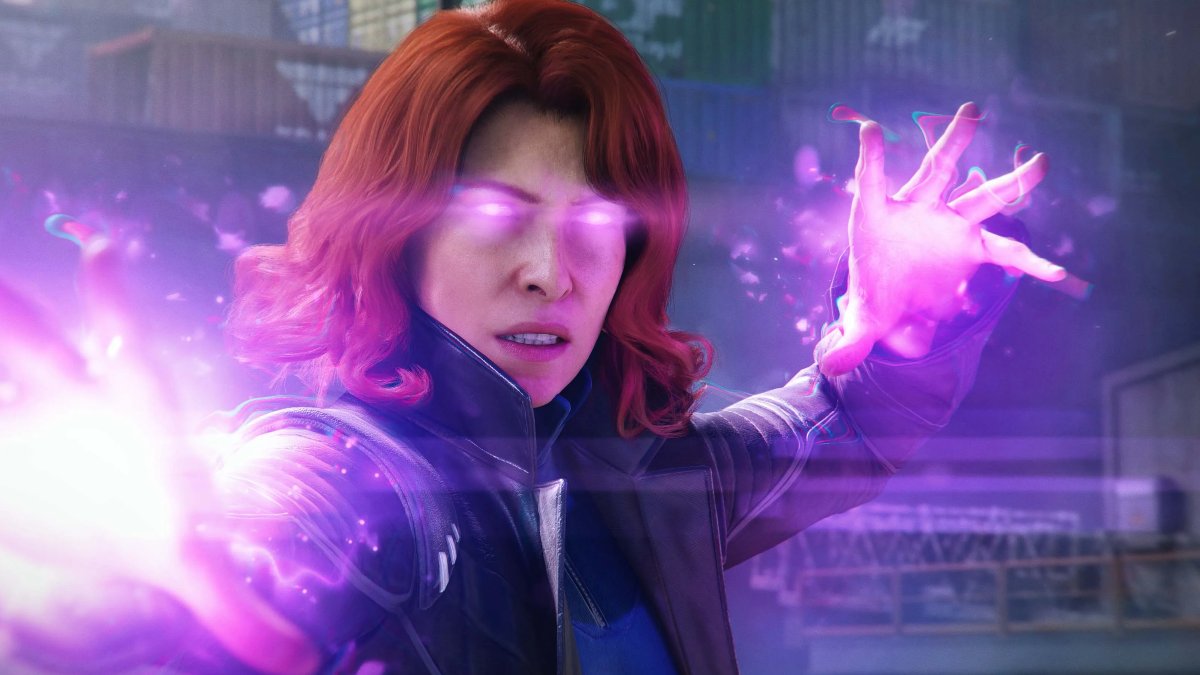
The closure of Compulsion Games would mark a significant loss for Xbox’s first-party lineup. The studio most recently earned major industry accolades for South of Midnight, including the Game of the Year Award at the 2026 Gayming Awards and the award for Best New Intellectual Property at the 2026 BAFTA Awards. Just weeks before the closure reports emerged, the studio announced that South of Midnight had also won a Peabody Award for “stories that matter,” a recognition the team described as stemming from their commitment to narratives “rooted in folklore, stitched with care to carry the weight of beauty and the truth of scars.”
Double Fine and Ninja Theory Also Reportedly at Risk
The situation extends well beyond Compulsion. Investigative reporting from Bloomberg indicates that several Xbox studios are in parallel crisis talks, with management at both Double Fine and Ninja Theory fighting to spin off their studios to avoid outright closure. Double Fine, best known for the critically celebrated Psychonauts series, has been a pillar of creative game development for decades. Ninja Theory, the studio behind Hellblade: Senua’s Sacrifice and its sequel, has also developed award-winning titles and has been a key part of Xbox’s portfolio since its acquisition.
For both studios, the prospect of a spin-off — rather than internal restructuring — suggests that Microsoft is preparing to divest itself of some of its most artistically distinctive teams. The move would represent a dramatic reversal from the company’s earlier strategy of acquiring studios to bolster Game Pass and exclusive content offerings.
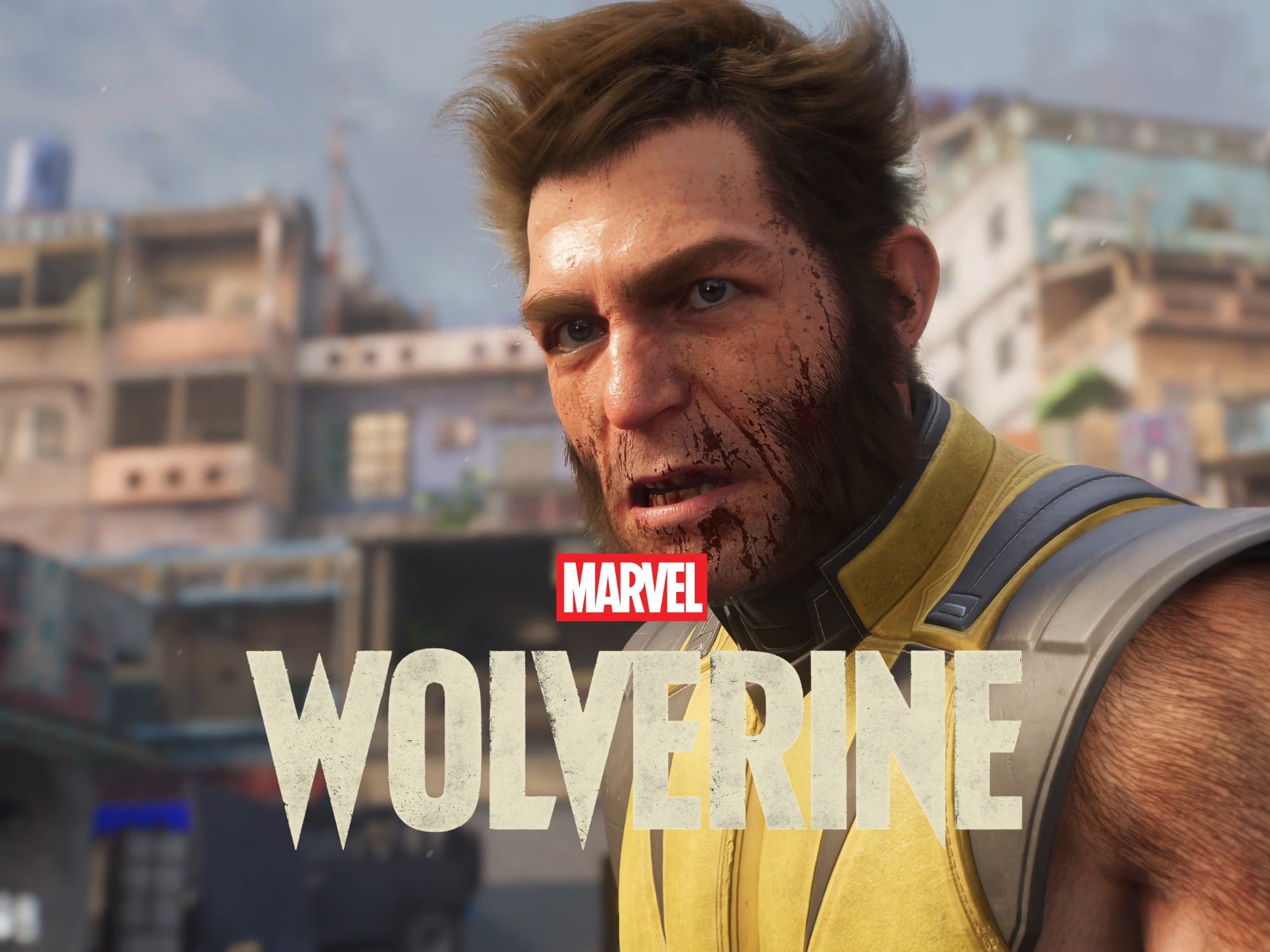
/i.s3.glbimg.com/v1/AUTH_08fbf48bc0524877943fe86e43087e7a/internal_photos/bs/2026/G/E/qzLHIbT6652B71SVMIqA/marvels-wolverine-20260830191411.jpg "Marvel’s Wolverine HDR Settings: Stop Tuning the Game, Fix Your TV")
What Is Driving the Crisis: Financial Losses and a Declining Revenue Base
To mark her first 100 days as CEO, Asha Sharma published a blog post revealing that Microsoft has spent over $20 billion on Xbox over the last five years, excluding the Activision Blizzard acquisition. She also disclosed that revenue across the gaming division has dropped by approximately $500 million per year, a stark figure that contextualizes the current wave of cuts and closures.
Sharma’s comments did not stop at historical spending. Microsoft’s games arm is reportedly planning for further layoffs, and the company is actively weighing whether to spin off Xbox as a separate entity or restructure the games division as a wholly owned subsidiary. Such a move would fundamentally alter the relationship between Xbox and the rest of Microsoft, potentially insulating the broader company from gaming’s volatility while giving Xbox more operational independence — or setting it up for a full sale.
Leadership Exodus: Xbox Games Studios Head and Chief of Staff Step Down
Amid these existential questions, the leadership ranks have begun to thin. Craig Duncan, who led Xbox Games Studios, has departed after just eighteen months in the role. His chief of staff, Louise O’Connor, is also leaving less than a year after joining. The simultaneous exits of two senior figures at such a precarious moment suggests deep instability at the top of Xbox’s studio management structure. Duncan’s departure leaves a critical gap in the chain of command just as multiple studios face potential closure and the division itself grapples with a potential spin-off.
Why Is Xbox Closing Studios That Are Winning Major Awards?
The juxtaposition is hard to ignore. At the same time that Compulsion Games was accepting a Peabody Award, its parent company was reportedly negotiating its dissolution. Double Fine and Ninja Theory also have extensive histories of developing award-winning and commercially respectable games. The closures raise an uncomfortable question for the industry: if studios producing critically and culturally celebrated work are not safe, what does sustainability look like under the current first-party publishing model?
The answer appears to be rooted in the gap between critical acclaim and financial return. Despite its awards, South of Midnight may not have delivered the kind of blockbuster revenue that justifies the overhead of a full studio in Microsoft’s current cost-conscious environment. Similarly, the creative but niche portfolio of Double Fine and the narrative-focused output of Ninja Theory may not fit comfortably within a division now prioritizing efficiency, recurring revenue, and large-scale live service hits.
Historical Context: A Decade of Studio Acquisitions Reversed
Microsoft spent much of the 2010s aggressively building its first-party studio network, acquiring established names like Ninja Theory, Obsidian Entertainment, and Double Fine, while also founding new teams like The Initiative. The strategy was clear: secure exclusive content for Game Pass and Xbox consoles by owning the means of production. The current wave of closures and spin-off talks represents a stark reversal of that ambition. What was once a portfolio built for creative breadth and exclusivity is now being evaluated through a lens of strict financial discipline.
The Potential Spin-Off: Xbox as a Separate Company
One of the most consequential developments reported is Microsoft’s consideration of spinning off Xbox as a separate entity or restructuring the games division as a wholly owned subsidiary. If executed, this would be the most significant structural change in Xbox’s history. A spin-off could allow Xbox to raise its own capital, form its own partnerships, and operate without the margin expectations of a massive enterprise software company. However, it would also strip Xbox of the financial safety net that Microsoft’s broader business provides, exposing the gaming division to market forces with less insulation.
For the studios currently at risk, a spin-off might not offer immediate relief. In fact, the transition period could accelerate the closure of teams that do not fit a leaner, more independent Xbox’s strategic priorities. The outcome will depend heavily on which executives oversee the transition and what shape the new entity takes.
Practical Consequences for Developers and the Industry
The immediate human cost is the most tangible: dozens if not hundreds of developers at Compulsion, Double Fine, and Ninja Theory face uncertain futures. For the broader industry, the message is disheartening. If a studio can win a Peabody, a BAFTA, and a Game of the Year award and still be on the chopping block, then no amount of critical acclaim guarantees stability under a major publisher. This dynamic is likely to accelerate the trend of experienced developers leaving large publishers to form independent studios, further eroding the talent base of first-party teams.
For players, the potential loss of these studios means the disappearance of distinctive, creative voices from the Xbox first-party lineup. Double Fine’s irreverent humor and psychological depth, Ninja Theory’s cinematic and emotionally charged narratives, and Compulsion’s folkloric southern gothic aesthetic are not easily replaced. Their absence would leave a noticeable gap in the variety and ambition of Xbox’s exclusive offerings.

What Comes Next for Xbox and Its Remaining Studios
The days ahead will determine whether any of the three studios can negotiate a reprieve through a spin-off or whether they will be shuttered entirely. The negotiations involving Double Fine and Ninja Theory appear to center on management-led buyouts or spin-offs, suggesting that the studios themselves see a viable independent future even if Microsoft no longer wants to own them. For Compulsion, the situation appears more dire, with leadership reportedly negotiating over the terms of closure rather than a path to independence.
Meanwhile, the Xbox division as a whole faces an uncertain identity. With declining revenue, departing executives, and a potential spin-off on the table, the coming months will be defining. The decisions made regarding Compulsion, Double Fine, and Ninja Theory will serve as a bellwether for how Microsoft intends to treat its creative talent going forward: as valuable long-term assets worth nurturing through difficult periods, or as expendable components to be trimmed in the pursuit of profitability.
For an industry already reeling from thousands of layoffs across major publishers, the loss of three distinctive and celebrated studios would be a particularly painful blow. It would also signal that the consolidation wave of the last decade has entered a phase of aggressive rationalization, where even award-winning teams are not immune to the bottom line.