Ubisoft’s next major entry in the Assassin’s Creed franchise, the witch-themed Assassin’s Creed Hexe, is undergoing significant development changes according to new reports. The project, now under the creative direction of the team behind Assassin’s Creed IV: Black Flag following the departure of its original director, is currently slated for a potential holiday 2027 release window. The most intriguing revelation from industry insiders, however, concerns the potential return of one of gaming’s most iconic characters.
Insider Details Reveal Potential Plot And Development Shakeup
According to prominent leaker Tom Henderson, speaking on the Insider Gaming podcast, early plans for Assassin’s Creed Hexe included a major narrative twist: the return of Ezio Auditore da Firenze. The beloved protagonist of Assassin’s Creed II, Brotherhood, and Revelations was reportedly designed to appear at the game’s midway point, serving as a mentor figure to the new protagonist. Henderson’s information suggests Ezio’s role was to “teach her the ways of the assassin,” indicating the new lead character is female and that the story may involve a direct lineage or philosophical connection to the Italian Brotherhood.
This potential cameo represents a significant narrative gamble for Ubisoft. Ezio’s trilogy concluded over a decade ago with his peaceful death in Embers, and his character arc is widely considered complete. His return would need to serve a substantial story purpose beyond mere fan service. Speculation among the community immediately turned to how this could be achieved—through Animus glitches, genetic memories of a descendant, or perhaps a more metaphysical connection given Hexe’s rumored supernatural themes. The insider was careful to note that this plot element may not survive the game’s recent creative transition, leaving its inclusion uncertain.
Combat System Receiving Complete Overhaul With Acrobatic Focus
Beyond narrative developments, Henderson reported that Assassin’s Creed Hexe’s combat is being “completely reworked.” This aligns with the franchise’s recent trend of evolving its gameplay systems with each major entry, moving from the counter-heavy style of the early games to the RPG-inspired mechanics of Origins, Odyssey, and Valhalla, and then to the more focused action of Mirage. The rework for Hexe appears to emphasize fluidity and agility, with Henderson noting that contortionists have been hired for motion capture to recreate particularly acrobatic moves.
This focus on acrobatics suggests a potential return to the parkour-centric gameplay that defined the Ezio trilogy, albeit with modern technical enhancements. Hiring contortionists specifically indicates moves beyond standard parkour—perhaps involving supernatural flexibility tied to the game’s witch theme, or simply an unprecedented level of physical realism for the protagonist’s animations. This combat overhaul is happening despite the project’s leadership change, suggesting it was a planned evolution rather than a reaction to the new direction.

2027 Release Window And Internal Developer Interest
The reported holiday 2027 release timeline places Assassin’s Creed Hexe as a major tentpole title for the latter half of the decade. This extended development cycle—nearly four years from its initial announcement—allows for the substantial reworks currently underway and suggests Ubisoft is prioritizing quality over rushing to market. The timeline also positions Hexe as the first major title under the newly formed Vantage Studios, the entity created following Tencent’s significant investment in Ubisoft, which has led to broader structural changes across the publisher’s development teams.
Interestingly, Henderson’s report indicates strong internal enthusiasm for the project at Ubisoft Montreal. Despite the leadership changes, “most developers at Ubisoft Montreal want to work on the title because of its different premise.” This internal vote of confidence is significant. After years of historical settings ranging from Ancient Egypt to Viking England, the shift to a Central European witch-hunt narrative during the Holy Roman Empire’s peak represents the franchise’s most dramatic thematic departure since the naval focus of Black Flag. This fresh direction appears to have energized the development community within Ubisoft, potentially leading to more innovative and passionate work.
The Significance Of Ezio’s Potential Return For The Franchise
Ezio Auditore is more than just a popular character; he is the emotional heart of the Assassin’s Creed franchise for an entire generation of players. His journey from carefree Florentine noble to wise Master Assassin spanned three games and decades of in-universe time, creating a depth of character development rarely seen in video games. His return, even as a supporting character or mentor figure, would carry tremendous narrative weight and marketing power.
From a commercial perspective, Henderson noted that “Ezio is one of the main reasons why Assassin’s Creed became this popular in the first place, so the character’s return to the mainline series could give a much-needed push in sales to the franchise.” This assessment acknowledges the franchise’s need to recapture its core audience after several years of experimentation with RPG mechanics and settings that, while commercially successful, sometimes alienated fans of the original stealth-action formula. An Ezio cameo could serve as a powerful bridge between the franchise’s past and its new direction.
Creative Leadership Transition And Project Stability
The development of Assassin’s Creed Hexe has not been without turbulence. The recent departure of its original creative director, reportedly replaced by the leadership team behind the critically acclaimed Assassin’s Creed IV: Black Flag, represents a significant mid-development course correction. Such changes often lead to delays, reboots, or compromised vision, but Henderson’s reporting suggests Ubisoft management remains confident in the project’s trajectory.
The Black Flag team’s involvement is particularly noteworthy. That game successfully introduced major new mechanics (naval combat) while maintaining the core Assassin’s Creed identity, suggesting they may be well-suited to shepherd Hexe’s supernatural elements without losing the franchise’s essence. Their experience with creating a cohesive open world that seamlessly integrated land and sea gameplay could translate well to Hexe’s rumored dark, forested European setting and its supernatural systems.
Franchise Context And The Witch-Themed Direction
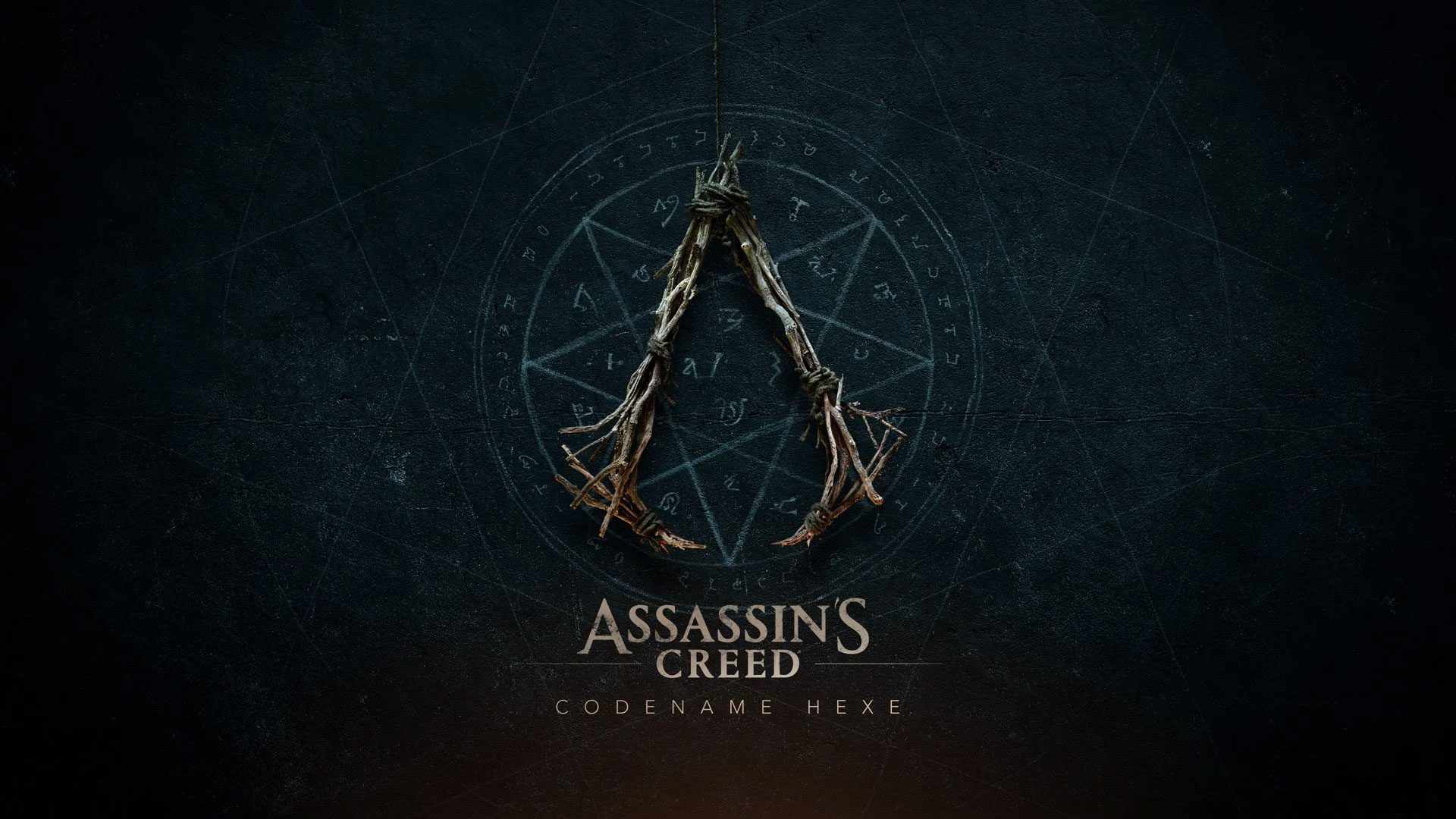
Assassin’s Creed Hexe represents a bold new direction for a franchise that has increasingly embraced mythological and supernatural elements in recent years. While Origins, Odyssey, and Valhalla featured mythological DLC and dream sequences, Hexe appears to be integrating the supernatural directly into its core premise. The title itself—”Hexe” being German for “witch”—and its chilling reveal trailer featuring a hanging Assassin’s Creed symbol made from twigs suggest a horror-tinged atmosphere unprecedented for the series.
This thematic shift to witchcraft and persecution during the European witch trials (likely set in the 16th or 17th century Holy Roman Empire) allows Ubisoft to explore themes of fear, superstition, and institutional oppression through the lens of the eternal Assassin-Templar conflict. The setting naturally lends itself to stealth gameplay, with protagonists potentially hiding among persecuted populations or using supernatural abilities to evade capture. The rumored female protagonist would also be historically resonant, as approximately 75-80% of those accused of witchcraft in early modern Europe were women.
What Ezio’s Inclusion Would Mean For The Modern Narrative
If Ezio does appear in Assassin’s Creed Hexe, it would have significant implications for the franchise’s modern-day narrative, which has been increasingly deemphasized since the conclusion of Desmond Miles’ story. Ezio’s memories are stored in the Animus, accessible to modern-day protagonists. His appearance could indicate that the new modern-day character is directly reliving his genetic memories, or that Ezio encountered something during his lifetime relevant to Hexe’s witch-themed narrative.
There are historical connections that could justify his inclusion. Ezio’s later years as a Mentor in Rome coincided with the early period of witch hunts in Europe. While he never traveled to Germany in the games, his extensive network of Assassin contacts across Europe could have brought him into contact with the German Brotherhood facing this new form of persecution. Alternatively, his appearance could be more metaphysical—a vision or ancestral guidance rather than a literal historical encounter, tying into the game’s supernatural elements.
Community Reaction And Expectations Management
The gaming community’s reaction to these reports has been mixed. While many fans expressed excitement at the potential return of Ezio and the innovative combat rework, others voiced concern about the extended 2027 timeline and the potential for development turmoil following the creative director’s departure. The witch theme has generated particular interest, with players speculating about how supernatural abilities might integrate with traditional Assassin gameplay.
Ubisoft faces the challenge of managing expectations while maintaining secrecy around an unannounced game. The company has not officially commented on these reports, maintaining its standard policy of not discussing rumors or speculation. This silence leaves the community to parse insider reports while awaiting an official reveal, which likely won’t occur until 2025 or 2026 given the reported development timeline.
Technical And Creative Implications Of The Reported Changes
The reported hiring of contortionists for motion capture suggests Ubisoft is pushing technical boundaries for character animation. This could result in a protagonist with unprecedented physicality—capable of fluid, almost supernatural movements that enhance both traversal and combat. Combined with the game’s likely dark, atmospheric European forests and towns, this could create a uniquely immersive experience that differs markedly from the sun-drenched landscapes of recent entries.
The combat rework itself represents Ubisoft’s continued evolution of the franchise’s gameplay. After Mirage’s return to more traditional stealth-action, Hexe appears poised to blend that approach with new supernatural elements. Rather than the ability-based combat of the RPG trilogy or the tool-focused approach of earlier games, Hexe’s system might emphasize environmental interaction, trickery, and misdirection—fitting themes for a witch-hunt narrative where the protagonist must use wits and subtlety against overwhelming opposition.
The development of Assassin’s Creed Hexe illustrates the complex balancing act modern game development requires—honoring beloved legacy elements while innovating for new audiences, responding to internal creative shifts while maintaining project stability, and managing community expectations while preserving surprise. Whether Ezio ultimately appears or remains a relic of earlier plans, the mere possibility has reignited discussions about what defines the Assassin’s Creed experience and how far the franchise can evolve while maintaining its identity. As the reported 2027 release window approaches, all eyes will be on how Ubisoft navigates these challenges to deliver what could be the franchise’s most distinctive entry yet.