In a strategic move set to reshape the landscape of horror gaming, Behaviour Interactive, the Canadian powerhouse behind the genre-defining Dead by Daylight, has acquired The Fun Pimps, the Texas-based studio responsible for the cult survival hit 7 Days to Die. This acquisition, confirmed by the companies, marks a significant consolidation of independent horror development talent under a single corporate umbrella, with the explicit goal of building a diversified portfolio of horror intellectual property.
A Strategic Alliance Forged in Survival Horror
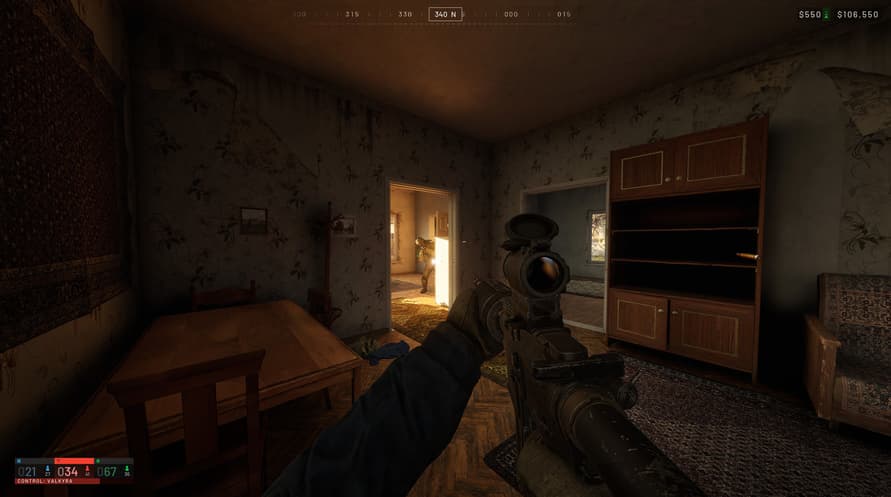
The deal unites two studios with deeply entrenched fanbases and distinct but complementary approaches to the horror genre. Behaviour Interactive has carved out a dominant niche in the asymmetric multiplayer space with Dead by Daylight, a game that has become a cultural touchstone through its relentless live-service updates and high-profile crossovers with iconic horror franchises like Halloween, Resident Evil, and Stranger Things. The Fun Pimps, conversely, have cultivated a fiercely loyal following over a decade with 7 Days to Die, a game often described as a “zombie survival RPG” that blends first-person shooter mechanics, deep crafting systems, tower defense, and open-world exploration into a uniquely punishing and rewarding experience.
This acquisition is not merely a financial transaction; it represents a calculated fusion of expertise. Behaviour brings to the table its proven prowess in live-service operations, community management, and cross-platform development. The Fun Pimps contribute their extensive experience in building complex, systemic sandbox worlds driven by player agency and emergent gameplay. The synergy suggests a future where Behaviour’s operational scale could amplify the reach and polish of The Fun Pimps’ creative vision, while The Fun Pimps’ technical and design philosophies could potentially influence new projects within the Behaviour ecosystem.
The Road Ahead for 7 Days to Die and Its Community
For the dedicated players of 7 Days to Die, a title that has remained in a protracted “alpha” development state for years, the immediate question revolves around the game’s future. In statements following the acquisition, both studios have moved to reassure the community. The Fun Pimps will continue to operate independently, maintaining creative control over 7 Days to Die and its ongoing development roadmap. The primary change, as presented, is the backing of Behaviour’s resources.
“This partnership allows The Fun Pimps to leverage Behaviour’s extensive resources and expertise in areas like quality assurance, localization, and console platform support,” a joint communication detailed. The implication is clear: the often-cited technical hurdles and lengthy development cycles associated with 7 Days to Die could see accelerated solutions. Players can cautiously anticipate more stable updates, potentially faster progress toward a “1.0” full release, and enhanced support for the game’s various platform versions, which have historically suffered from update disparity.

Building a Horror IP Powerhouse
Beyond the stewardship of existing titles, the broader corporate strategy is unambiguous. Behaviour Interactive is methodically constructing what it terms “a portfolio of horror IP.” The acquisition of The Fun Pimps is a cornerstone of this ambition, adding a wholly owned, commercially successful franchise with massive long-term potential to its assets. This follows Behaviour’s earlier strategic shifts, including the rebranding of its external publishing arm to Behaviour Interactive Beyond and increased investment in original IP development.
The vision appears to be a multi-faceted horror empire. On one front, Dead by Daylight continues as the flagship live-service platform, a hub for licensed horror that prints its own mythology through original characters like The Entity and The Observer. On another front, studios like The Fun Pimps will operate as semi-autonomous units developing their own deep, immersive horror worlds. This structure allows Behaviour to mitigate risk—not all its eggs are in the Dead by Daylight basket—while cross-pollinating ideas and technology across its studios.
Implications for the Independent Development Scene
This acquisition is a bellwether moment for the mid-tier independent game development sector, particularly within niche genres. For years, successful indie studios have faced a critical juncture: continue to grow independently, often straining against operational and financial ceilings, or seek partnership with a larger entity. The Fun Pimps’ choice to join Behaviour reflects a growing trend where alignment of creative vision and genre specialization can make such mergers more appealing than offers from massive, genre-agnostic publishers.
For other indie horror developers, the message is twofold. Firstly, there is a viable exit or growth strategy that doesn’t necessarily require diluting a studio’s creative identity within a vast corporate machine, provided the right partner is found. Secondly, the competitive landscape is intensifying. Behaviour’s aggressive portfolio-building signals that the market for dedicated horror gaming audiences is valuable enough to warrant consolidation, potentially leading to more such acquisitions in the near future as other publishers seek to establish their own genre strongholds.
Technical and Creative Synergies in the Undead World
The practical integration of The Fun Pimps into Behaviour’s network promises intriguing possibilities. 7 Days to Die is built on a proprietary engine, and its gameplay is fundamentally different from the controlled, match-based chaos of Dead by Daylight. However, the synergies may lie less in direct code sharing and more in shared knowledge. Behaviour’s experience in optimizing netcode for tense, real-time multiplayer encounters could inform future multiplayer implementations in The Fun Pimps’ projects. Conversely, The Fun Pimps’ mastery of voxel-based terrain deformation and dynamic world systems represents a deep well of technical knowledge that is rare within the industry.
Creatively, both studios excel at building tension through systemic mechanics—whether it’s the terror of a Killer’s unique power in Dead by Daylight or the dread of a blood moon horde in 7 Days to Die. This shared design philosophy of player-driven horror, where fear emerges from rules and systems rather than scripted sequences, provides a common language. It would not be surprising to see future Behaviour-published horror titles, even those not developed by The Fun Pimps, incorporate more open-ended, survival-oriented mechanics inspired by the acquisition.
The Evolving Business of Fear
The video game industry’s business strategies are perpetually evolving, and the horror genre is now squarely in the spotlight of this evolution. The success of Dead by Daylight demonstrated that horror could sustain a lucrative, long-term live-service model. The enduring popularity of 7 Days to Die, despite its technical rough edges, proved there is a vast, patient audience hungry for deep, uncompromising survival simulations. Behaviour’s acquisition is a direct response to these market truths.
By bringing these models together, Behaviour is positioning itself to capture a wider spectrum of the horror gaming audience. It can cater to players seeking short, intense social experiences and those who desire long-term, solitary or cooperative survival campaigns. This portfolio approach allows the company to weather shifts in player trends, ensuring that if interest in one style of horror wanes, another style within its stable can maintain engagement and revenue.
The merger between Behaviour Interactive and The Fun Pimps is more than a corporate headline; it is a strategic bet on the enduring and expanding appeal of interactive horror. It acknowledges that the appetite for digital fear is diverse, spanning from competitive social thrills to lonely, systemic struggles for survival. For players, the immediate hope is for better-supported games and clearer development horizons. For the industry, it underscores that in an era of blockbuster franchises, deeply specialized, community-driven horror experiences have not only found their audience but have become valuable enough to build empires upon. The future of horror gaming will be written, in part, by how successfully these two distinct voices of fear can harmonize under one roof.