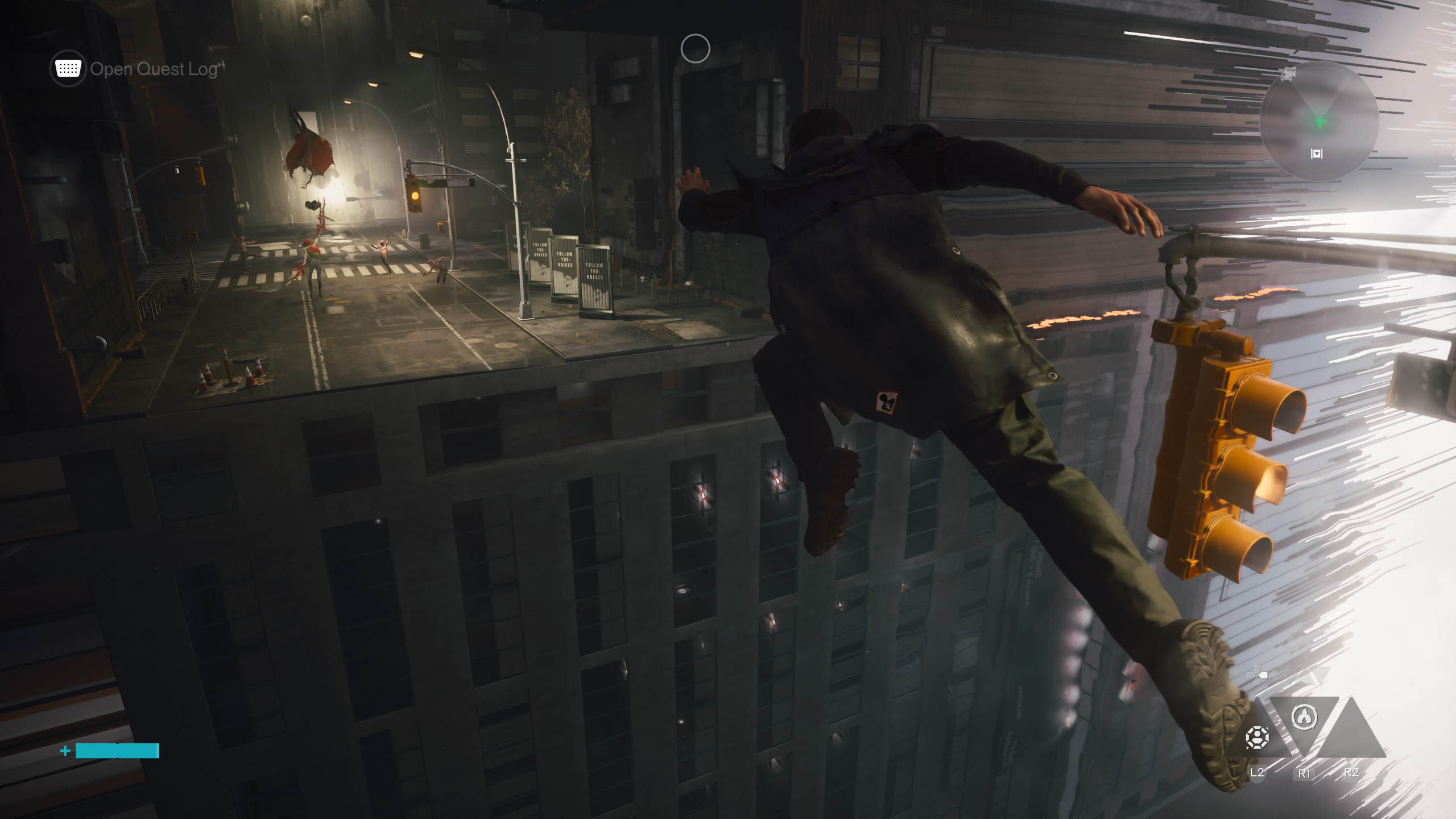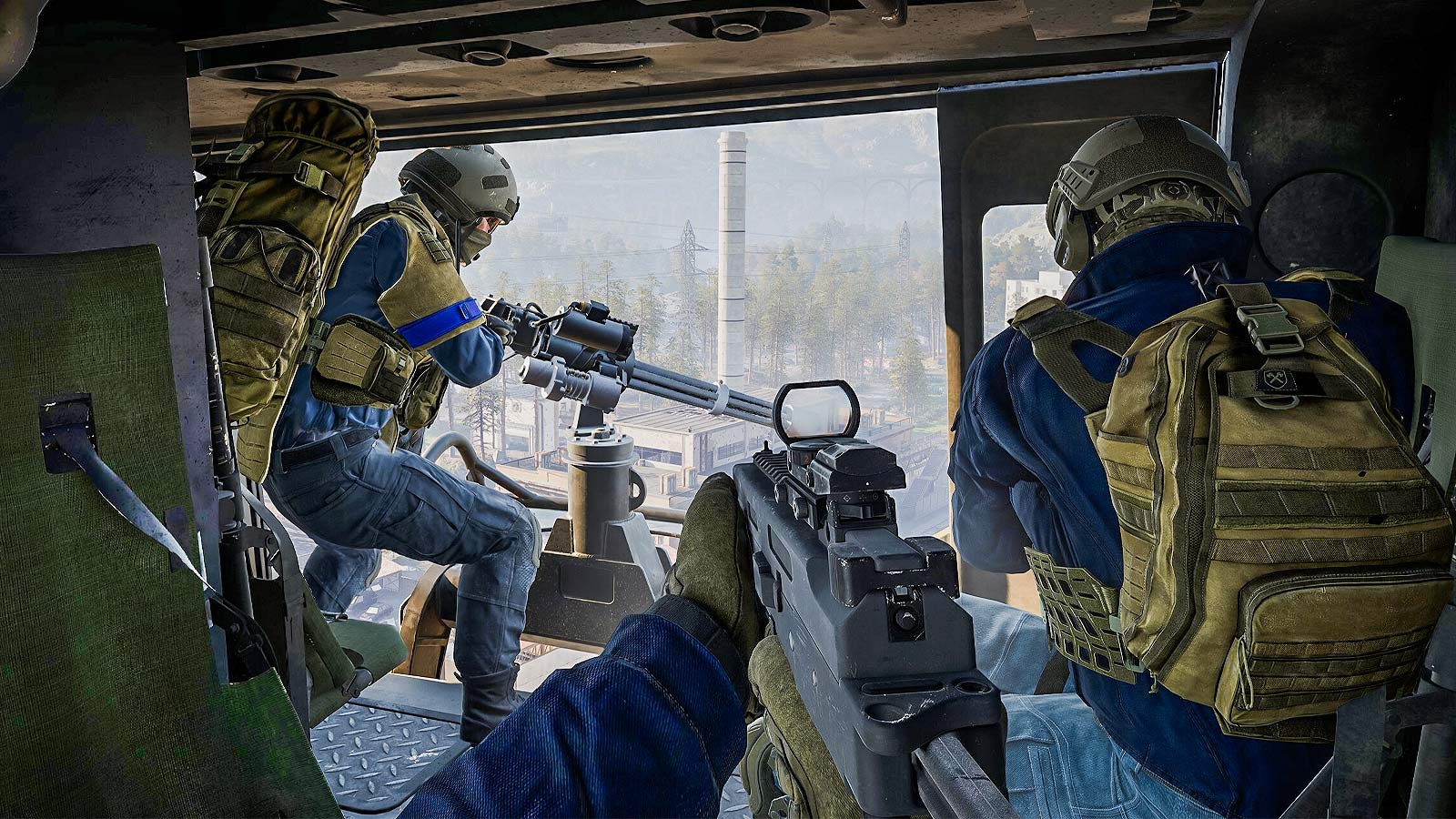
Emerging from a period of anticipation and speculation, Crimson Desert presents players with a vast, visually arresting open world that immediately asserts its physical presence. The initial experience for many is not a deep immersion into its lore or a gripping introduction to its protagonist, but rather a powerful, almost instinctual reaction to the landscape itself. The game’s environmental storytelling, communicated through towering architecture and mysterious landmarks, often proves more immediately compelling than its scripted narrative threads.
Architectural Allure and Environmental Pull
The power of a well-designed horizon is a cornerstone of many great open-world games, and Crimson Desert leverages this principle with striking effect. Players frequently report a moment of arrival where the central narrative conflict and their designated role within it fade into the background. Instead, attention is hijacked by a singular point of interest: a distant, majestic steeple, a crumbling fortress perched on a cliff, or the silhouette of an ancient structure against the sky. This is not merely aesthetic decoration; it is a deliberate hook.
These structures provoke a cascade of intrinsic questions that drive organic exploration. Who built this? What purpose did it serve? What secrets might it hold now? Can I climb to its peak? The game successfully triggers the fundamental explorer’s curiosity, transforming a static part of the environment into a dynamic objective. This design creates a tension between the game’s directed missions—such as finding a ghost train or engaging in a specific faction war—and the player’s self-directed desire to investigate these tantalizing visual prompts.
The Narrative Dissonance
This strength, however, highlights a potential weakness. Early impressions suggest that while the world beckons, the narrative and character engagement can feel secondary or underdeveloped. Players find themselves “playing a man they can’t give a toss about, embroiled in a conflict they also can’t give a toss about.” The protagonist’s motivations and the central plot’s urgency may not resonate with the same force as the environmental allure. This creates a dissonance where the most persuasive call to action comes from the landscape itself, not from the story’s scripted beats.
This is not necessarily a fatal flaw but a distinct design characteristic. It positions Crimson Desert as a game for explorers and aesthetes first, and for story-driven players second. The narrative becomes a framework to move through the world, rather than the primary engine of progression. For some, this will be liberating, offering the pure joy of discovery. For others, it may feel like a jumble of loose ends, where stunning visuals are not fully supported by a cohesive, gripping tale.

The Mechanics of Mysterious Landmarks
The effectiveness of these landmarks hinges on their integration into the game’s systems. A beautiful tower is only a backdrop if it cannot be interacted with. Crimson Desert appears to understand this, seeding these points of interest with potential activities. They are not just vistas; they are destinations promising gameplay. The question “Can I climb it?” implies a traversal challenge. “Who dwells within it?” suggests NPC encounters, quests, or lore revelations. “Where did they get all that stone?” points to environmental storytelling about the region’s history and resources.
This approach turns the world into a puzzle box of implied narratives. Each striking structure is a promise of content, encouraging players to deviate from the main path. This design risks fragmenting the experience, but it also empowers player agency, making the journey uniquely personal. The “ghost train” mission can wait because the immediate, tangible mystery on the horizon feels more urgent and personally chosen.
Visual Majesty as Core Gameplay
In many games, visuals support the gameplay. In Crimson Desert’s early presentation, the visuals often are the gameplay. The act of observing, appreciating, and deciding to investigate a faraway tower constitutes a meaningful player decision. The game’s success will depend on rewarding that decision. If the tower is merely empty, or offers a trivial reward, the magic dissipates. If it contains a unique enemy, a fragment of deep lore, a challenging climb with a panoramic payoff, or a hidden mechanic, then the visual majesty is validated as a core gameplay loop.
This loop—see, wonder, approach, discover—is a classic open-world formula, but Crimson Desert seems to lean into it with particular emphasis. The world is built to be visually dense with points of intrigue, ensuring that no matter the direction a player looks, there is something to capture the imagination and potentially divert the course.
Balancing Directed and Emergent Play
The central challenge for Crimson Desert will be balancing its directed narrative content with this powerful emergent pull from the environment. A game that is too loose can feel aimless; a game that is too rigid can make its beautiful world feel like a painted prison. The ideal state is a harmony where the main story feels worthwhile and engaging, while the environmental distractions feel equally rewarding and perhaps even indirectly tied to the larger narrative.
Perhaps the ghost train and the distant tower are not competing objectives but parts of a broader tapestry. Perhaps exploring the tower reveals information about the region’s history that contextualizes the conflict over the train. The world’s loose ends need to feel like threads that can be picked up and followed, leading to satisfying conclusions, even if those conclusions are personal discoveries rather than plot advancements.
The Risk of Incoherence
The phrase “open world jumble of loose ends” captures the risk inherent in this design. If the stunning towers, ghost trains, faction wars, and character arcs are not woven together with some discernible logic—either narrative or thematic—the experience can feel fragmented. Players may enjoy individual moments of visual splendor and discovery but leave with no lasting impression of a coherent world. The game’s ambition to create a landscape brimming with mystery must be matched by a design that ensures those mysteries feel interconnected and meaningful within the game’s own internal logic.
Technical execution will also play a role. A world that looks breathtaking from a distance must maintain its detail and interactivity upon approach. Pop-in, low-resolution textures at close range, or barren interiors would break the spell cast by the initial vista. The promise of the horizon must be fulfilled at the destination.
Ultimately, Crimson Desert’s early appeal is a testament to the enduring power of a well-crafted virtual landscape. It demonstrates that even when narrative hooks fail to snag, environmental hooks can be profoundly effective. The game invites players to be tourists in its world, to follow their eyes rather than their quest logs. This approach will define its identity and its reception. Whether it becomes remembered as a masterclass in open-world exploration or as a beautiful but disjointed experience will depend on how deeply it rewards those who answer the call of its sexy towers and ghost trains.
In the end, the most compelling argument Crimson Desert makes is for the primacy of place. It suggests that in an open world, the setting can be the story. A character’s journey is defined not just by the conflicts they are given, but by the curiosities they choose. The game’s success hinges on ensuring that every diverted path, every investigated mystery, feels like a valid and enriching way to experience its world, proving that the true narrative is the one the player writes by simply looking at the horizon and deciding to walk toward it.