Deep Rock Galactic: Rogue Core, the upcoming spin-off from Ghost Ship Games, has ignited a fierce debate within its dedicated community, drawing sharp criticism over the inclusion of female dwarves and the introduction of new gameplay mechanics. The backlash, which has spread across forums, social media, and review platforms, centers on a perceived departure from the core identity that made the original Deep Rock Galactic a breakout hit. A vocal segment of the player base has reacted with disappointment, arguing that the game is straying too far from its established lore, tone, and mechanical foundations. The controversy has been captured in a striking SteamDB chart showing a notable shift in player sentiment, while a widely circulated community sentiment sums up the resistance succinctly: dwarves should have honor, pickaxes, and beer, and everything else is unnecessary and even harmful. This reaction raises important questions about how developers manage franchise evolution, community expectations, and the delicate balance between innovation and tradition.
The Roots of the Backlash: A Community Divided
Deep Rock Galactic built its reputation on a tight-knit, cooperative gameplay loop that emphasized teamwork, procedural cave exploration, and a distinct sense of humor rooted in dwarf mining culture. The original game, which launched into early access in 2018 and reached full release in 2020, cultivated a loyal following that appreciated its focused design, clear class roles, and the camaraderie of digging through hazardous alien environments. The dwarves of Deep Rock Galactic were presented as a rough-and-tumble, all-male crew of miners, and this characterization became part of the game’s identity. When Ghost Ship Games announced Rogue Core as a spin-off that would retain the core mining and combat loop while introducing roguelike elements, new progression systems, and a more diverse cast of characters, a substantial portion of the community reacted with skepticism. The inclusion of female dwarves, in particular, became a flashpoint. For some players, this represented an unnecessary political statement in a game that had previously avoided such discussions. For others, it simply felt like an unwelcome change to a universe they had come to know and love. The criticism has not been uniform, however, and many players have defended the decision, arguing that representation enriches the game world and that the original all-male cast was never a defining feature of the franchise.
The SteamDB Data: Numbers Tell a Story
The SteamDB chart associated with the controversy provides a quantitative window into the community’s response. While the chart itself does not capture the full nuance of player sentiment, it shows a measurable decline in wishlist additions and a spike in negative review activity following the announcement of Rogue Core’s new direction. These metrics are often used as proxies for community approval, and the data aligns with the qualitative backlash seen in forums. It is important to note, however, that online backlash does not always translate to poor sales or long-term player disengagement. Many games have weathered similar storms and gone on to achieve commercial success. The chart serves as a snapshot of immediate reaction rather than a definitive verdict on the game’s quality or future viability. Ghost Ship Games has not yet released player count data specifically for Rogue Core, as the game remains in development, but the SteamDB trends suggest that the developer has work to do in rebuilding trust with a portion of its audience.
New Mechanics Under Fire: Roguelike Elements and Progression Changes
Beyond the character representation issue, the new mechanics introduced in Rogue Core have drawn substantial criticism. The original Deep Rock Galactic featured a well-regarded progression system that allowed players to unlock weapons, perks, and cosmetic items over time, with mission failures carrying consequences but not ending the game permanently. Rogue Core, true to its name, incorporates roguelike mechanics, meaning that each expedition is procedurally generated and failure results in a full reset of progress for that run. While roguelike games have a dedicated following, the application of this structure to the established Deep Rock Galactic formula has proven controversial. Critics argue that the roguelike design undermines the persistent progression that gave the original game its sense of accomplishment and long-term engagement. The ability to lose everything in a single failed mission, they contend, introduces a level of frustration that runs counter to the cooperative, low-stakes fun that defined the original. Proponents, however, point out that roguelike mechanics can create tense, high-stakes moments and encourage replayability through randomized loot and mission structures. The debate reflects a broader tension in game design between accessibility and challenge, between persistent reward and run-based risk.
The Roguelike Mechanic in Detail
In Rogue Core, each expedition begins with a basic loadout, and players collect upgrades, weapons, and resources as they progress through increasingly difficult cave systems. If the entire team is eliminated, the run ends and all collected upgrades are lost, though certain permanent meta-progressions may carry over between runs. This structure is familiar to roguelike veterans, but for Deep Rock Galactic fans accustomed to the original’s more forgiving model, it represents a significant departure. The developer has stated that this design choice was made to create a more intense and varied experience, where each playthrough feels distinct and the threat of failure adds weight to every decision. However, the execution has been questioned, particularly regarding how well the roguelike model integrates with the cooperative team dynamics that are central to the franchise. Some players have expressed concern that the high stakes could lead to toxicity within groups, as individual mistakes become more costly. Others have pointed out that the game’s signature “no dwarf left behind” ethos could be undermined by a system that punishes altruism and risk-taking. Ghost Ship Games has not yet detailed how team revival mechanics will work in Rogue Core, leaving this as an area of uncertainty.
The Core Argument: Honor, Pickaxes, and Beer
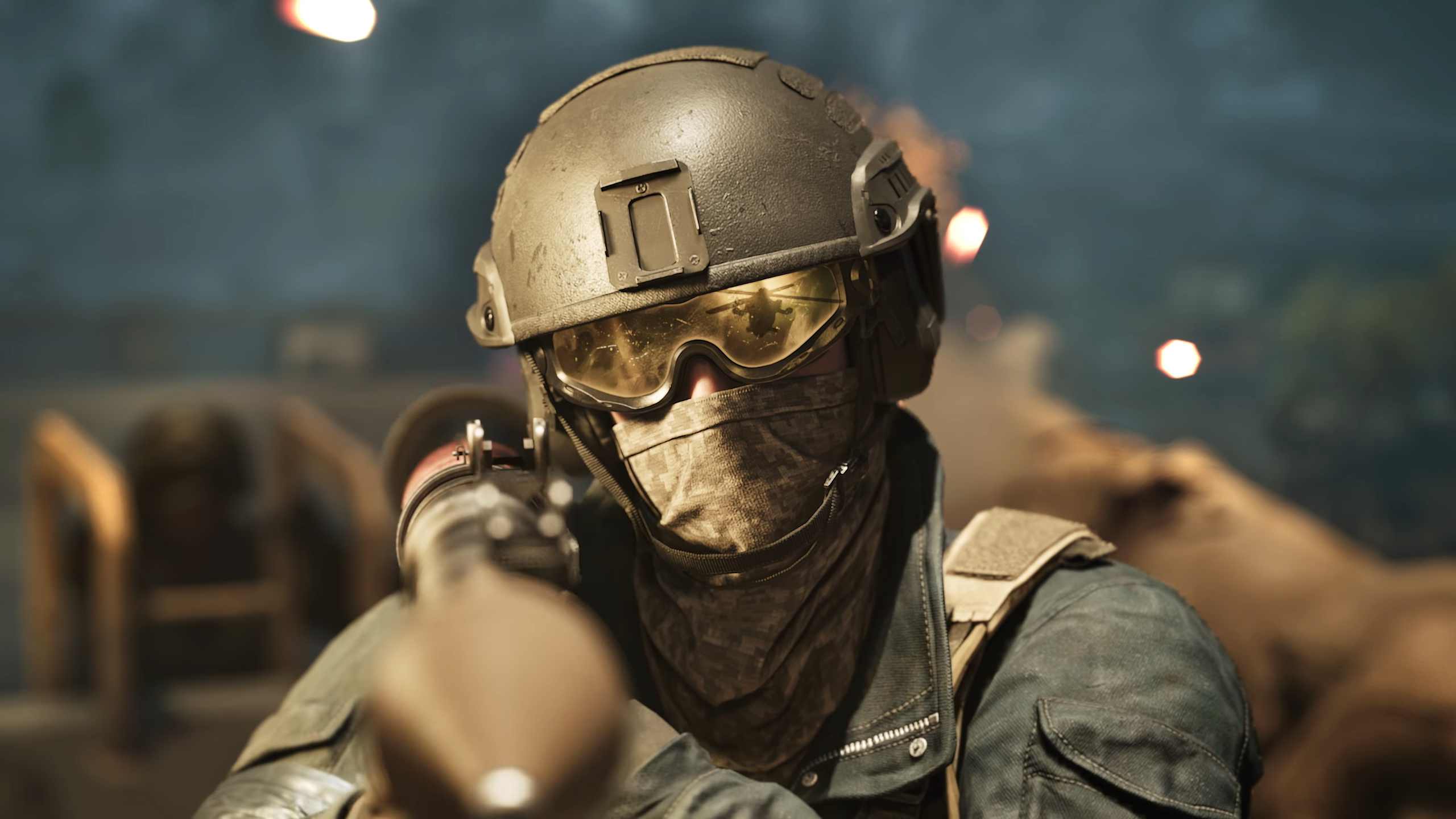
The phrase that has become a rallying cry for critics encapsulates a simple but powerful sentiment: dwarves should have honor, pickaxes, and beer, and everything else is unnecessary and even harmful. This statement is not merely about the inclusion of female characters or roguelike mechanics, but about a perceived loss of identity. For many players, Deep Rock Galactic represented a retreat from the increasingly complex and politically charged landscape of modern gaming. It was, in their view, a straightforward game about mining, shooting bugs, and sharing a round of beer with friends. The introduction of diversity initiatives and mechanically complex systems is seen as a betrayal of that simplicity. This perspective is understandable, even if it is not universally shared. Games often become meaningful spaces for their communities, and changes that disrupt the established atmosphere can feel like an erosion of a shared culture. The challenge for Ghost Ship Games is to respect the emotional attachment that players have formed while also evolving the franchise in ways that keep it fresh and relevant. The honor, pickaxes, and beer slogan reflects a desire for the game to remain a refuge from the broader cultural currents that have reshaped other entertainment mediums.
A Deeper Look at Representation in Deep Rock Galactic
The debate over female dwarves in Rogue Core is part of a larger conversation about representation in video games, one that has been ongoing for years. Deep Rock Galactic originally presented a world that was intentionally absurd and self-contained, with dwarves portrayed as blue-collar workers in a corporate mining operation. The all-male cast was not explicitly justified within the narrative; it was simply a design choice that many players accepted without question. The decision to introduce female dwarves in Rogue Core has been framed by the developer as a natural expansion of the game’s universe, allowing for a wider range of character customization and storytelling opportunities. Critics, however, have argued that this change feels forced and that it prioritizes real-world diversity over in-world consistency. The response is not unique to Deep Rock Galactic. Many franchises have faced similar backlash when expanding character representation, from Battlefield to The Witcher, and the intensity of the reaction often depends on how the change is integrated into the existing lore and gameplay. In Rogue Core, the female dwarf designs have been met with mixed reception, with some praising the character models and others feeling that they lack the rugged charm of the original characters.
Industry Context: How Other Games Have Handled Similar Transitions
Ghost Ship Games is far from the first developer to face community backlash over changes to a beloved franchise. The history of gaming is filled with examples of sequels and spin-offs that introduced controversial new elements, from the addition of a single-player campaign to a multiplayer-focused series to the inclusion of battle royale modes in games designed for traditional competitive play. In many cases, the initial backlash subsides as players adapt to the new systems and the developer communicates the rationale behind the changes. In other cases, the controversy signals a genuine misalignment between the developer’s vision and the community’s expectations. The success of Rogue Core will likely depend on how well Ghost Ship Games navigates this period of feedback and whether the final product delivers a compelling experience that justifies the new direction. The studio has a history of maintaining open communication with its player base, and early access has provided a framework for iterative development that can address concerns over time. The key will be distinguishing between constructive criticism and entrenched resistance to any change, and making design decisions that serve the long-term health of the franchise.
Lessons from Deep Rock Galactic’s Own History
The original Deep Rock Galactic itself went through significant changes during its early access period, including overhauls to the perk system, weapon balancing, and mission types. The community weathered these changes, and the game emerged as a polished and beloved title. However, those changes were largely iterative, building on the established foundation rather than introducing fundamentally new genres or narrative elements. Rogue Core represents a more radical departure, and the intensity of the backlash reflects the higher stakes involved. The developer has indicated that Rogue Core is intended to complement rather than replace the original Deep Rock Galactic, with both games receiving ongoing support. This dual approach may help mitigate the backlash, as players who prefer the original experience can continue to enjoy it without feeling abandoned. Nevertheless, the controversy has highlighted the risks of expanding a franchise in directions that the core community does not endorse.
The Future of Rogue Core: Development and Community Reconciliation
As of the current development cycle, Ghost Ship Games has not announced any plans to reverse the inclusion of female dwarves or remove the roguelike mechanics. The studio appears committed to its vision for Rogue Core, and the early access model will allow for adjustments based on player feedback. The immediate challenge is to rebuild trust with the skeptical portion of the community without alienating those who are excited about the new direction. This will require transparent communication, clear reasoning for design decisions, and a willingness to iterate on systems that are not working. The SteamDB chart, while concerning, is not a death sentence, and many games have recovered from negative sentiment during development. The long-term success of Rogue Core will depend on the quality of the final product and the developer’s ability to demonstrate that the new mechanics and character diversity enhance the gameplay experience rather than detracting from it.
Practical Implications for Players
For players who are passionate about Deep Rock Galactic and uncertain about Rogue Core, the best course of action is to engage with the game during its early access period and provide constructive feedback. The roguelike genre offers a distinct style of gameplay that some will find refreshing, while others may find it frustrating. Similarly, the inclusion of female dwarves may feel natural to some players and jarring to others. The only way to truly assess the game is to play it and form an opinion based on firsthand experience rather than secondhand controversy. It is also worth remembering that game development is a fluid process, and feedback can lead to meaningful improvements before the final release. Ghost Ship Games has shown a willingness to listen to its community in the past, and there is no reason to assume that this will change for Rogue Core.
Broader Cultural and Commercial Considerations
The controversy surrounding Rogue Core is part of a larger pattern in the games industry, where fans and developers grapple with questions of identity, representation, and innovation. The rise of social media has amplified community voices, making it easier for both praise and criticism to reach developers quickly. This can be a double-edged sword. On one hand, it allows developers to gauge real-time reactions and adjust their designs accordingly. On the other hand, it can create echo chambers where the loudest voices are mistaken for the majority. The SteamDB chart provides one piece of data, but it does not capture the silent majority of players who may be indifferent or supportive of the changes. Commercial success for Rogue Core will depend on attracting both existing Deep Rock Galactic fans and new players who are drawn to the roguelike genre. The game’s final sales figures will ultimately provide the clearest indication of whether the new direction has resonated with the market.
Economic Context: The Spin-Off Market
Spin-off titles carry inherent risks. They must differentiate themselves enough from the parent game to justify their existence while retaining enough familiar elements to attract the existing fan base. Rogue Core is attempting to carve out a niche as a roguelike cooperative shooter, a sub-genre that has grown in popularity but remains niche compared to the original Deep Rock Galactic’s more accessible design. The success or failure of this endeavor will provide valuable data for the industry about how much deviation a core audience can tolerate. The financial stakes are significant, as Ghost Ship Games has invested considerable resources in developing a separate title rather than simply building on the original. If Rogue Core succeeds, it could open the door for further franchise expansion. If it fails, it may serve as a cautionary tale about the limits of community tolerance.
Conclusion: A Defining Moment for Ghost Ship Games
Deep Rock Galactic: Rogue Core has become a flashpoint for a broader conversation about game development, community expectations, and the role of representation in interactive entertainment. The backlash over female dwarves and new mechanics, captured in the SteamDB data and summarized by the sentiment that dwarves need honor, pickaxes, and beer, reflects a genuine tension between tradition and evolution. Ghost Ship Games now faces the challenge of navigating this controversy while delivering a game that stands on its own merits. The outcome will not only determine the success of Rogue Core but also set a precedent for how the studio approaches future projects. For the community, the moment calls for measured engagement and a willingness to evaluate the game based on its actual quality rather than preconceived assumptions. Whether Rogue Core ultimately becomes a celebrated expansion of the Deep Rock Galactic universe or a cautionary tale about overreach will depend on the months ahead, as development continues and the first wave of player experiences shapes the narrative. One thing is certain: the conversation is far from over, and the choices made now will echo through the franchise for years to come.