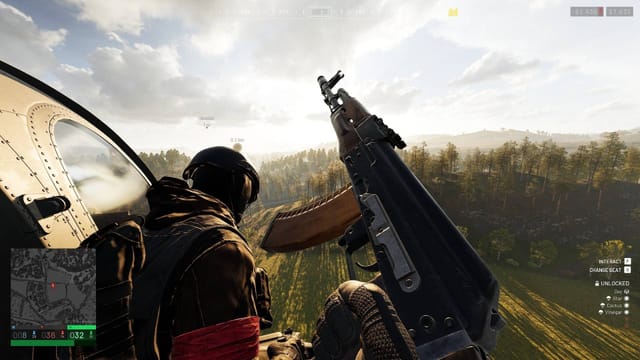
The monumental expectations surrounding Rockstar Games’ upcoming Grand Theft Auto 6 have prompted fellow developers to voice their sympathy for the immense pressure facing the studio. In a recent interview, a developer from Black Matter, the team behind the critically acclaimed WWII shooter Hell Let Loose, expressed profound empathy for the GTA 6 creators, suggesting they must be “quaking in their boots” under the weight of global anticipation. This sentiment highlights a growing industry conversation about the psychological toll of developing blockbuster sequels in an era of instantaneous, amplified fan feedback.
The Unbearable Weight of Legacy
Creating a sequel to a title as culturally and commercially dominant as Grand Theft Auto V represents a unique challenge in video game development. Released in 2013, GTA V has sold nearly 200 million copies, generated billions through its persistent online world, GTA Online, and has remained a fixture in weekly sales charts for over a decade. Its longevity is unprecedented, setting a bar so high that the follow-up exists in a shadow of its own making before a single official screenshot is released.
“When you’re working on something that has that level of cultural penetration, every creative decision is scrutinized,” explained a senior game designer from an independent studio, speaking on condition of anonymity. “The pressure isn’t just to make a good game; it’s to redefine the medium again, to justify the decade-long wait, and to somehow eclipse a product that has been a perpetual best-seller. It’s a creative and commercial tightrope walk with no safety net.”
Community Expectations Versus Creative Reality
The digital age has fundamentally altered the developer-player relationship. Forums like Reddit, social media platforms, and YouTube speculation channels have created a perpetual hype machine. For GTA 6, years of rumors, alleged leaks, and fan wish-lists have constructed a mythical version of the game in the public consciousness—a version no development team could possibly match.
This phenomenon creates a pre-release narrative that is almost impossible to manage. Developers are no longer competing just against other games or their own previous work; they are competing against the collective, idealized fantasy of their community. The Hell Let Loose developer’s comment about “quaking” speaks directly to this disconnect between the organic, often messy process of game creation and the polished, finalized expectation of the audience.

A Case Study in Parallel Development Realities
The contrast between the development of a title like Hell Let Loose and Grand Theft Auto 6 is stark and informative. Black Matter, now under Team17’s banner, built its reputation on a specific, hardcore niche: large-scale, tactical, and authentic WWII combat. Its community expects a certain focused experience, and while expectations are high, they exist within a defined scope.
Rockstar Games, conversely, is expected to deliver a world that is everything to everyone. GTA 6 must have a groundbreaking story, unparalleled open-world interactivity, cutting-edge graphics, a revolutionary online component, satirical humor, emotional depth, and endless emergent gameplay possibilities—all while running smoothly on aging console hardware and diverse PC configurations. The scope is so vast it borders on the mythical.
The Psychological Toll on Development Teams
Industry analysts point to the very public struggles of studios like CD Projekt Red following the launch of Cyberpunk 2077 as a cautionary tale. The game, while eventually finding success after years of patches, launched in a state that failed to meet stratospheric expectations, leading to intense backlash, refunds, and significant reputational damage. The pressure to avoid a similar fate for a title even larger than Cyberpunk 2077 is immense and omnipresent throughout a development cycle.
This pressure manifests in prolonged crunch periods, employee burnout, and a risk-averse corporate culture that may stifle innovation. When billions of dollars in potential revenue are on the line, the temptation for publisher Take-Two Interactive to micromanage and play it safe is enormous, potentially conflicting with Rockstar’s historical drive for creative boundary-pushing.
Announcement Strategy in the Age of Hype
Rockstar’s traditional marketing strategy—long periods of silence followed by a massive, polished reveal—is being tested by the modern internet’s rumor mill. The first official trailer for GTA 6, when it arrives, will be one of the most-viewed entertainment reveals in history. Every frame will be analyzed, every line of dialogue parsed, and every visual detail compared against years of fan speculation and leaked assets.
This places an extraordinary burden on that first reveal. It must simultaneously confirm core features, showcase technological leaps, establish tone, and manage expectations—all in a ninety-second to three-minute window. There is no room for a “work-in-progress” disclaimer; the audience will treat it as a final product promise.
The Silver Lining: Lessons from Fellow Travelers
The empathy expressed by the Hell Let Loose team is not an isolated sentiment. Across the industry, developers at both indie and AAA studios recognize the unique pressure cooker Rockstar inhabits. This shared understanding can foster a more supportive environment. The success of GTA 6 is crucial for the entire industry, potentially driving hardware adoption, setting new technical benchmarks, and attracting mainstream attention to gaming as a medium.
Furthermore, Rockstar has historically thrived under pressure. Each major release, from Grand Theft Auto III to Red Dead Redemption 2, was tasked with redefining expectations and each time, the studio delivered. This track record provides a foundation of confidence, both within the team and among informed observers, that the creative talent at Rockstar can navigate these unprecedented challenges.
Simultaneous Industry Excitement: The Return of Ruiner
While the GTA 6 discourse dominates headlines, the industry continues to thrive on diverse experiences. In a separate but notable announcement, Reikon Games confirmed the development of Ruiner 2. The sequel to its 2017 cult-hit top-down shooter promises a return to its signature brand of nihilistic, cyberpunk brutality. This serves as a crucial reminder that the gaming ecosystem is not a zero-sum game.
The existence of passionate, focused projects like Ruiner 2 alongside behemoths like GTA 6 is a sign of a healthy industry. It demonstrates that there is space for both the sprawling, universally appealing blockbuster and the stylized, intense niche title. The success of one does not preclude the success of the other; in fact, a rising tide of interest in gaming can lift all boats.

Managing the Launch Window
Once GTA 6 finally secures a release date, the entire industry calendar will likely shift around it. Other major publishers will avoid launching competing titles in the same window, creating a “GTA season” much like the film industry has summer blockbuster or holiday seasons. This further concentrates the spotlight and the pressure on Rockstar’s release, making its performance the singular focus of the gaming world for that period.
The logistical challenges will also be monumental. Server infrastructure for the inevitable online component must be prepared for tens of millions of simultaneous players. Physical production and distribution chains must be scaled to meet day-one demand that will dwarf any other entertainment launch. The scale of the operation is as daunting as the creative endeavor.
As the gaming community collectively holds its breath for the next official word from Rockstar Games, the human element of development deserves recognition. Behind the billions of dollars in projected revenue and the years of hype are developers, artists, writers, and programmers working to create something extraordinary. The candid sympathy from their peers at studios like Black Matter underscores that while the games industry is fiercely competitive, it is also a community that understands the unique burdens of creation. The path to GTA 6’s release will be one of the most scrutinized journeys in entertainment history, a testament to the medium’s cultural ascendancy and the incredible expectations it now carries.



:format(webp)/hull.geekship.com.br/wp-content/uploads/2026/06/Marvels-Wolverine-nao-tera-Spider-Man-crossover-Universo-1048.jpg "Marvel’s Wolverine Combat: The Mistake That Breaks Every Fight")

/i.s3.glbimg.com/v1/AUTH_08fbf48bc0524877943fe86e43087e7a/internal_photos/bs/2026/G/E/qzLHIbT6652B71SVMIqA/marvels-wolverine-20260830191411.jpg "Marvel’s Wolverine HDR Settings: Stop Tuning the Game, Fix Your TV")