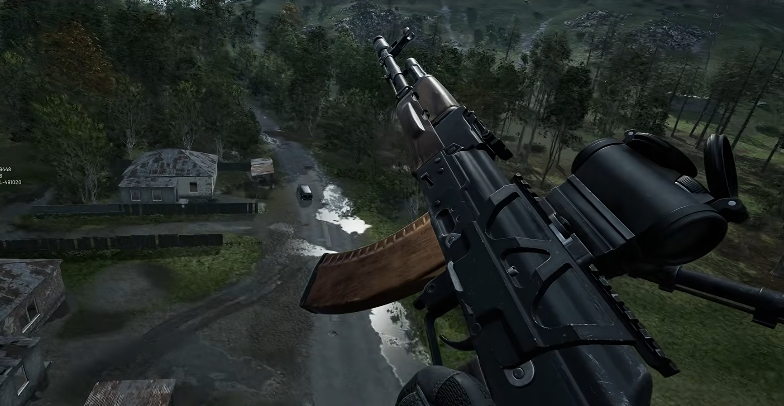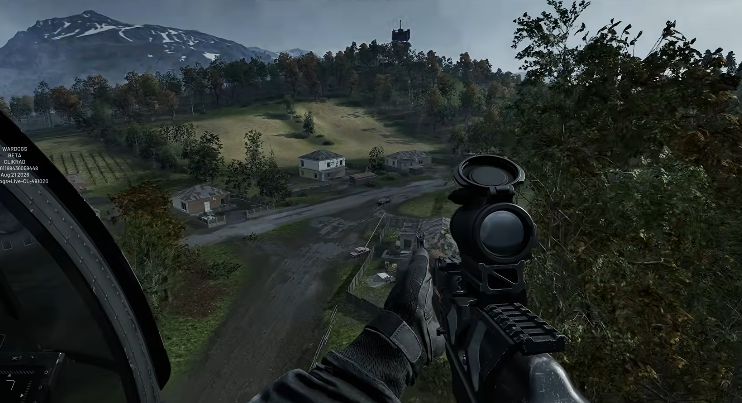
The tactical extraction shooter Incursion Red River has deployed a substantial content update that fundamentally expands its gameplay systems and environmental storytelling. This patch represents the most significant evolution of the game since its initial release, introducing a completely new combat zone, a dynamic weather system that alters tactical decision-making, and comprehensive improvements to artificial intelligence behavior that challenge even veteran operators.
A New Theater of Operations: The Riverside District
The centerpiece of the update is the Riverside District, a sprawling new map that departs from the game’s established urban and industrial environments. This zone features a dense network of flooded streets, partially submerged buildings, and elevated walkways, creating a verticality and traversal challenge not previously seen. The district is bisected by the titular Red River, a contaminated waterway that serves as both a hazardous environmental obstacle and a key navigation landmark. Initial player reports indicate that the map’s design forces squads to carefully consider their loadouts, with long sightlines across open water contrasting sharply with close-quarters combat in the waterlogged interiors of apartments and commercial buildings.
Dynamic Weather System Reshapes Every Engagement
Moving beyond static lighting, Incursion Red River now implements a fully dynamic weather system that cycles through various conditions during a match. The system introduces dense fog that severely limits visibility, forcing engagements into much closer ranges and making sound cues paramount. Torrential rain creates auditory masking, dampening the noise of movement and gunfire, while also affecting the behavior of certain electronic gadgets. Perhaps most significantly, the update includes a day-night cycle with realistic lighting that impacts the effectiveness of optics and player visibility. These conditions are not merely cosmetic; they directly influence AI patrol patterns, loot spawn locations, and the strategic value of certain extraction points.
Comprehensive AI Rework for Smarter Adversaries
Developer logs confirm that the enemy AI has undergone a foundational rewrite. The new AI exhibits more realistic squad-based behaviors, including flanking maneuvers, suppressive fire coordination, and tactical retreats to more defensible positions when outgunned. Enemy types now possess more distinct roles; for instance, ‘Scout’ variants will actively attempt to call for reinforcements and mark player positions, while ‘Heavy’ units will provide covering fire for advancing allies. The AI also demonstrates improved environmental awareness, utilizing the new weather conditions for ambushes and being more reactive to sound distractions created by players. This overhaul raises the skill ceiling, demanding greater teamwork and situational awareness from squads.
Expanded Narrative Through Story Campaign Missions
This update integrates new story-driven campaign missions directly into the core extraction loop. These are not separate instances but rather special objectives that can appear during standard raids in the Riverside District and existing maps. Players may receive intel leading to a high-value target, a critical data retrieval point, or a sabotage objective that ties into the larger lore of the Red River conflict zone. Completing these missions rewards unique cosmetic items, weapon blueprints, and provides narrative context for the environmental changes and new enemy deployments found throughout the game world. The integration ensures the story unfolds organically during gameplay rather than in segregated cutscenes.
Safe House Upgrades and Progression Depth
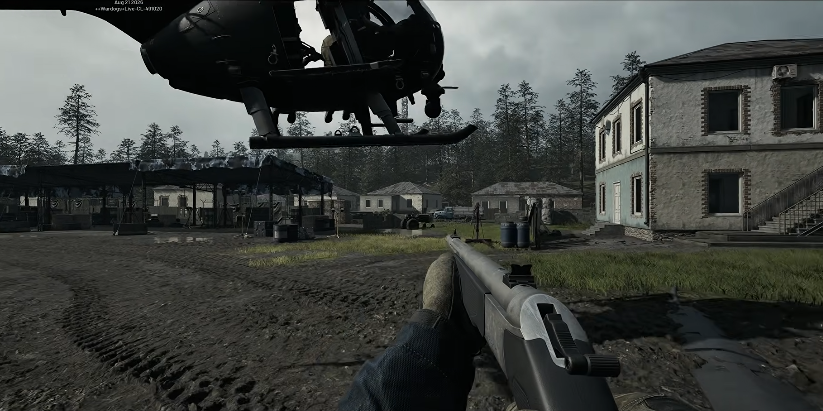
The player’s persistent Safe House, a social hub and progression center, has received a major expansion. New upgrade tiers allow for deeper customization of facilities. The Armory upgrade, for instance, now includes a firing range where players can test weapon modifications against moving targets with simulated armor. The Medical Bay can be enhanced to reduce the cost and time of healing trauma between raids. A new Intelligence Room facility allows players to analyze map data, potentially revealing the likelihood of certain high-value loot spawns or boss enemy locations in their next deployment. These upgrades provide meaningful long-term goals and tangible benefits that extend beyond simple cosmetic changes.
Weapon Balancing and New Gear
The arsenal has been rebalanced based on extensive community data, with several underperforming weapon platforms receiving buffs to their handling, damage profiles, or modification options. Concurrently, a suite of new gear has been introduced, including specialized armor sets optimized for the new environments—such as lightweight gear that reduces movement penalty in water. New tactical items, like deployable sonar buoys for detecting movement in fog or heavy rain, are designed to synergize with the new weather systems. The patch notes detail dozens of specific tweaks to attachments, aiming to create more viable build diversity rather than a single dominant meta.
Quality of Life Improvements and Technical Enhancements
Alongside major features, the update addresses numerous community-requested quality-of-life changes. The user interface for managing squad loadouts has been streamlined, inventory management is more intuitive, and the post-raid statistics screen now provides more detailed breakdowns of performance. Under the hood, the patch includes significant optimization work, resulting in improved frame rates and stability, especially in the new, visually complex Riverside District. Server-side improvements have also been implemented to reduce instances of desynchronization during high-intensity firefights.
This collective suite of additions and refinements marks a pivotal moment for Incursion Red River, transitioning it from a solid tactical foundation to a richer, more dynamic, and unpredictably engaging experience. The integration of systemic elements like weather with smarter AI and deeper progression creates a gameplay loop where no two incursions play out exactly the same, fulfilling the core promise of a living, reactive combat zone that continually tests a operator’s adaptability and strategic foresight.