In a significant realignment of development talent and intellectual property within the games industry, British studio Splash Damage has acquired the Croatian development team Gamepires, the creator of the open-world survival title Scum. The acquisition sees Gamepires move from under the umbrella of Jagex, the developer behind the long-running MMORPG RuneScape, to join Splash Damage’s portfolio of studios. The transaction was financially backed by Emona Capital, signaling continued investor confidence in the consolidation of mid-tier development studios.
The Deal Structure and Strategic Rationale
The acquisition represents more than a simple asset purchase; it is a strategic move for all parties involved. For Jagex, which originally acquired Gamepires, the sale allows the company to streamline its focus and resources. Jagex has historically been synonymous with its flagship title, RuneScape, and its various iterations. While the company has expanded through acquisitions, this divestiture suggests a potential refinement of its strategy, possibly concentrating efforts on its core franchises and live-service operations.
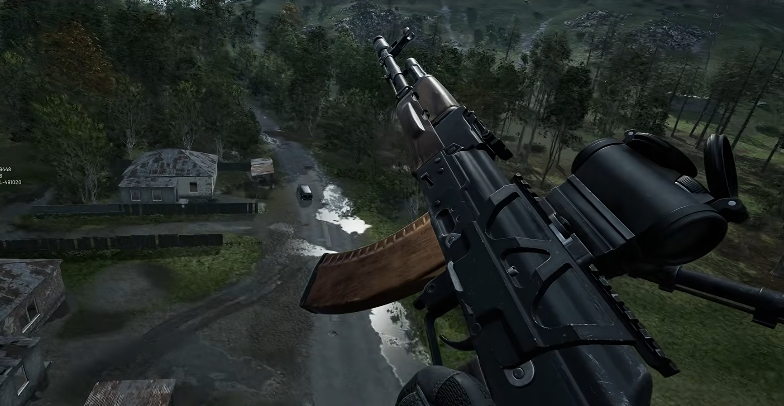
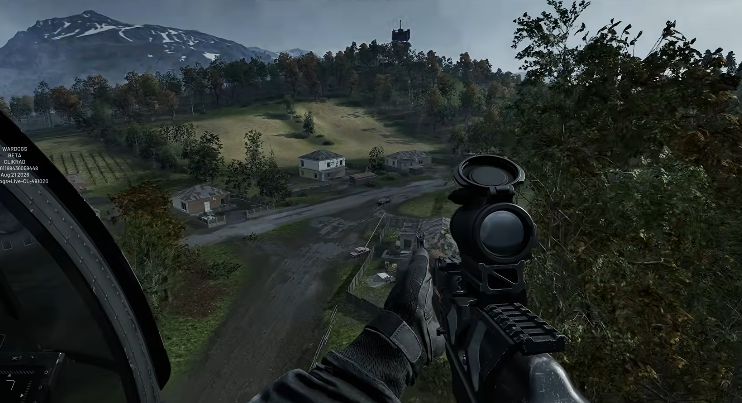
For Splash Damage, the acquisition of Gamepires brings a proven development team with a successful live-service game into its fold. Splash Damage, known for its work on multiplayer shooters like Gears Tactics, Dirty Bomb, and the Wolfenstein multiplayer components, gains immediate access to a dedicated player base and a title with a strong, albeit niche, following. Scum has carved out a space in the crowded survival genre with its unique focus on hyper-realistic metabolism and bodily functions, offering a distinct experience from competitors like DayZ or Rust.
Emona Capital’s Role in the Transaction
The involvement of Emona Capital is a critical component of this deal. As a private equity firm with a track record of investing in the technology and gaming sectors, their backing provides the necessary capital for Splash Damage to execute such an acquisition. This pattern of private equity facilitating studio mergers and acquisitions has become increasingly common, as the industry seeks stability and growth through consolidation. Emona’s participation indicates a belief in the long-term viability of the Scum IP and the operational synergies between Splash Damage and Gamepires.
The Future of Scum Under New Leadership
The immediate question for the hundreds of thousands of Scum players is what this change in ownership means for the game’s development roadmap. Since its launch into Early Access in 2018, Scum has been in a state of continuous evolution, with Gamepires regularly pushing significant updates that expand gameplay mechanics, map size, and visual fidelity. The community has been both passionately supportive and vocally critical of the game’s development pace and feature prioritization, a common dynamic in the live-service survival genre.

Continuity and Potential Expansion
Initial statements suggest that the Gamepires team will continue to operate with a degree of autonomy, focusing on the ongoing development and support of Scum. Splash Damage’s expertise in multiplayer systems, netcode, and large-scale online architecture could prove invaluable in addressing some of the technical challenges that have plagued Scum, particularly around server performance and optimization. Furthermore, Splash Damage’s resources and experience may accelerate the development of long-awaited features, potentially leading to a more robust and polished final 1.0 release.
Beyond technical support, the acquisition opens avenues for cross-pollination of ideas. Splash Damage’s deep understanding of competitive and cooperative multiplayer design could influence future Scum updates, perhaps introducing new game modes or systems that enhance player interaction. Conversely, Gamepires’ innovative approach to survival mechanics could inspire future Splash Damage projects, blending hardcore simulation with accessible action.
Industry Trends: Consolidation and Specialization
This acquisition is not an isolated event but part of a broader trend reshaping the video game landscape. The mid-tier sector, comprising studios with dedicated teams and successful but not blockbuster titles, is experiencing significant consolidation. Larger entities, often backed by investment firms, are assembling portfolios of studios to create diversified, resilient businesses capable of weathering the cyclical nature of game releases.
The Shift from Publisher-Owned to Studio-Owned Networks
Traditionally, such consolidations were led by major publishers like Electronic Arts or Ubisoft acquiring studios outright. The current wave often features established development studios themselves becoming holding entities. Splash Damage, following this acquisition, now oversees multiple development streams. This model allows for shared resources—such as engine expertise, QA, and marketing—while allowing individual studios to maintain their creative identity and focus on their core projects. It represents a hybrid approach between total independence and absorption into a monolithic publisher.
Implications for Developer Autonomy
A critical concern in any acquisition is the fate of the acquired studio’s culture and creative direction. The history of the games industry is littered with examples of beloved studios losing their identity after being purchased. However, the structure hinted at in this deal—where Gamepires continues its work on Scum—suggests a model focused on operational support rather than creative interference. The success of this arrangement will be closely watched by other independent studios considering similar partnerships.
Market Positioning and Competitive Landscape
Scum occupies a specific niche within the survival game market. Its commitment to a high level of detail in its simulation systems appeals to a player base seeking depth and complexity over instant gratification. Under Jagex, the game continued to grow steadily. Under Splash Damage, the challenge will be to expand that player base without diluting the core experience that existing fans cherish. This involves a delicate balance between quality-of-life improvements, accessibility options, and maintaining the unforgiving realism that defines the game.
The survival genre remains fiercely competitive, with titles like DayZ, Rust, ARK: Survival Evolved, and Valheim all commanding large audiences. Each game offers a different blend of PvP, PvE, building, and exploration. Scum‘s unique selling point is its biological simulation. Leveraging Splash Damage’s resources to further refine and market this USP will be key to standing out in a crowded field. Potential exists for Scum to transition from a successful niche title to a more mainstream contender if its technical hurdles are overcome and its content expanded strategically.
Financial and Logistical Synergies
From a business perspective, the acquisition makes logical sense. Splash Damage gains a revenue-generating live-service product with an established community. This provides financial stability and diversifies the company’s income streams beyond project-based work for publishers. For Gamepires, joining a larger network means access to better funding, shared technology, and potentially more ambitious project scopes in the future. The backing of Emona Capital ensures that the combined entity has the runway to invest in both Scum and future projects without the immediate pressure for a breakout hit.
The evolving structure of the video game industry increasingly favors entities that can manage multiple projects, retain talent, and navigate the complexities of live-service operations. Single-project studios face immense risk; a failed launch can be catastrophic. By bringing Gamepires into its ecosystem, Splash Damage mitigates risk and builds a more sustainable foundation. For players, the ideal outcome is a studio that is financially secure enough to support a game for the long term, leading to more content, better stability, and a clearer vision for the future.
As the integration of Gamepires into Splash Damage begins, the industry will be monitoring the impact on Scum‘s development velocity and community sentiment. Successful transitions in ownership can reinvigorate a project, bringing fresh energy and resources. This deal, facilitated by strategic investment, exemplifies the modern path for mature live-service games seeking a new chapter. The ultimate beneficiaries should be the players, who stand to gain from a more supported, stable, and ambitious continuation of the unique survival experience that Gamepires created.