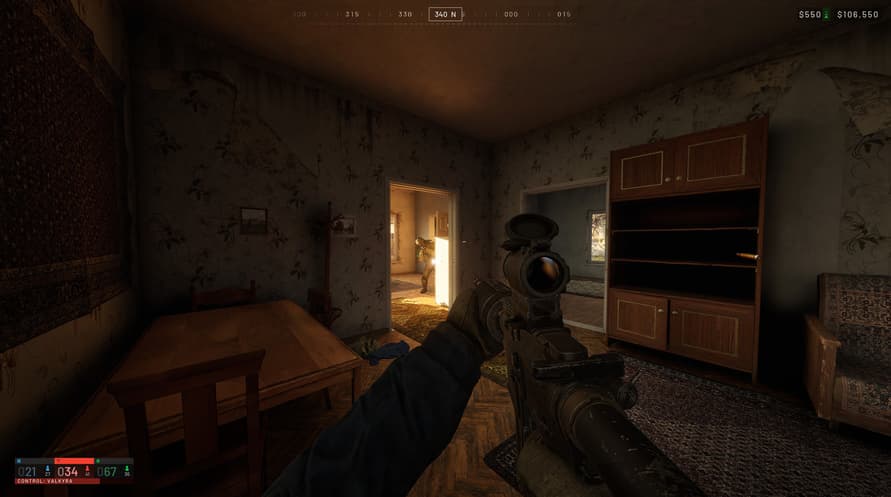
In a genre saturated with survival shooters and base defense mechanics, an independent developer has pivoted the perspective of the zombie apocalypse from the front lines to the supply lines. Rise of Gun, developed by PimpGameStudio, tasks players not with fighting the undead hordes, but with arming those who do. This management simulation carves a distinct niche by transforming the player into a crucial, albeit stationary, pillar of a besieged community’s survival.
The Core Gameplay Loop: Commerce in the Cataclysm
The premise is immediately arresting: you operate a gun shop from within the relative safety of a walled zone. Your survival depends not on headshots, but on profit margins, inventory management, and customer service. The core loop is a satisfying cycle of scavenging, crafting, and commerce. Players must source components—over 200 individual parts are available—from the wastes to construct firearms.
Unrestricted Weapon Crafting and Strategic Sales
The crafting system is deliberately unrestricted, allowing for experimental combinations of barrels, stocks, magazines, and receivers. This sandbox approach encourages creativity, where a player might craft a highly accurate, lucrative sniper rifle for a guard one moment, and a cheap, reliable shotgun for a scavenger the next. Each sale generates capital and scrap, the twin currencies that fuel progression.
Success hinges on understanding your clientele. Survivors enter the shop with specific needs and limited patience. A timer ticks down as they browse; failing to service them promptly means a lost sale. This injects a layer of tense, real-time management into the otherwise methodical crafting, ensuring the shop floor demands as much attention as the workbench.
Building a Bastion: Progression and Atmosphere
Progression is tangible and rewarding. Initial funds are best invested in foundational upgrades like the Tip Jar, which quickly pays for itself. Revenue is then funneled back into the business, transforming a dilapidated, blood-stained storefront into a thriving enterprise. Upgrades range from practical workbenches and expanded shelving to decorative items that enhance the shop’s ambiance and, by extension, its appeal.

A World Beyond the Counter
While direct combat is absent, the apocalyptic atmosphere is palpable. The soundscape and visual design sell the desperation outside your walls. Injured survivors limp in, guards chatter nervously at their posts, and the ever-present threat shapes every transaction. This environmental storytelling reinforces the player’s role: you are not the hero, but the enabler of heroes.
Advanced Revenue Streams and Community Ties
As your reputation grows, so do your opportunities. Completing quests for locals unlocks new revenue streams and deepens narrative ties to the community. One of the most significant leaps is the move into ammunition crafting. While the initial investment is steep—often exceeding $1,000 in-game—establishing a steady supply of bullets becomes an immensely profitable venture, effectively bankrolling further arms development.
Technical Specifications and Platform Availability
Rise of Gun is designed to be accessible. Its minimum system requirements call for a Windows 8 system, an Intel Core i5-2500 processor, an NVIDIA GeForce GTX 750 graphics card, and 4GB of RAM. With a modest storage footprint of 3GB (with an SSD recommended), the game is available for purchase on both Steam and the Epic Games Store. The developer has moved the title past Early Access into a full release, though a steady stream of post-launch updates continues to refine the experience.
Addressing Player Questions and Strategies
New players often arrive with preconceptions from other zombie games. It is critical to understand that Rise of Gun contains no multiplayer component, co-op or otherwise. Furthermore, you will never directly shoot a zombie; the threat is purely contextual, a driving force for demand rather than a target for your arsenal. The challenge is entirely managerial and economic.
Essential Early-Game Guidance
Beyond the crucial early purchase of the Tip Jar, efficiency is key. Prioritize cleaning and organizing your shop to improve workflow. Keep a diverse inventory to cater to different customer budgets and needs. Actively listen to survivor dialogues for hints about valuable components or rare customers like the elusive Night Trader. Most importantly, always be crafting; downtime at the workbench is lost potential profit.
Scrap, the secondary currency, is the lifeblood of upgrades. It is acquired primarily by disassembling unwanted weapon parts and found in specific locations around the game world, such as trash cans and water storage units. Learning these locations and efficiently recycling materials is a fundamental skill for sustainable growth.
The Market Niche and Developer Support
Rise of Gun occupies a clever intersection of genres. It appeals to fans of management simulators like Game Dev Tycoon, the crafting depth of survival games, and the atmospheric setting of post-apocalyptic narratives. By removing the direct combat, PimpGameStudio has focused player engagement on systemic depth and role-playing a unique, grounded profession within a fantastical setting.
The developer’s commitment is evidenced by a roadmap of updates, patch notes addressing player feedback, and a comprehensive list of achievements that guide long-term play. Guides covering everything from fast money-making strategies to locating all collectibles are testament to a game with layers of mechanics waiting to be mastered.
The quiet hum of a polishing wheel, the clunk of a receiver being fitted, the chime of the register—these are the sounds of victory in Rise of Gun. It demonstrates that in a world defined by chaos, there is profound satisfaction in building order, one carefully crafted firearm at a time. The game posits that resilience is not always found on the barricades, but sometimes in the steady hands of those who equip the defenders, proving that commerce and community can be the ultimate weapons against the dark.