Roguelite enthusiasts have developed refined palates for what makes a compelling loop-based experience, with titles like Balatro and Slay the Spire setting high standards for strategic depth and addictive gameplay. When ITER-8 entered the scene with the backing of established publisher Fireshine Games, it appeared positioned to join these ranks. The initial promise, however, gives way to a game that struggles to define its own identity, delivering an experience that feels more like a collection of underdeveloped ideas than a cohesive, engaging title.
The Core Loop Lacks Compelling Engagement
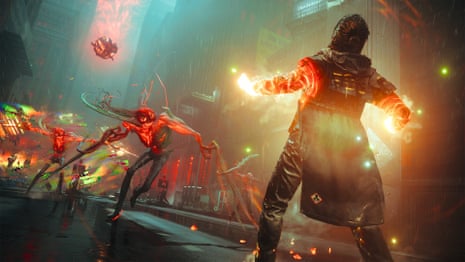
At its heart, a successful roguelite lives or dies by the strength of its core gameplay loop. ITER-8 presents a deck-building framework where players navigate a series of encounters, collecting cards that represent various actions, units, and modifiers. The premise is familiar but holds potential. The execution, however, falters. The tactical battles, which should be the main attraction, often feel sluggish and imbalanced. Enemy patterns become predictable too quickly, while the synergy between cards—a cornerstone of the genre—feels shallow and poorly telegraphed. A run in ITER-8 rarely builds toward a satisfying, overpowered crescendo; instead, it meanders, with upgrades that feel incremental rather than transformative.
Strategic Depth Fails to Materialize
The lack of meaningful choice cripples the strategic layer. Many card decisions feel inconsequential, with clear optimal paths emerging early in a run. This eliminates the delightful tension of risk-versus-reward that defines great roguelites. Furthermore, the meta-progression system—the permanent unlocks that carry over between deaths—is underwhelming. It offers minor stat boosts and new starting options that do little to alter the fundamental experience or provide a strong incentive to begin “just one more run.” The progression feels like a checklist rather than a journey of discovery and empowerment.
Presentation and Polish Fall Short of Modern Standards
First impressions in the digital marketplace are visual, and ITER-8’s presentation does it few favors. The art style is serviceable but generic, lacking a distinctive visual hook that would make it memorable among its peers. User interface elements can be clunky, with important information sometimes buried or unclear. While not game-breaking, these issues contribute to an overall feeling of a product that needed more time in the oven. The audio design follows suit, with forgettable music and sound effects that fail to enhance the atmosphere or provide satisfying feedback for player actions.
Technical Performance and User Experience
Beyond aesthetics, the user experience suffers from pacing issues. Menus are slow to navigate, and the flow between combat, map selection, and deck management is often interrupted by unnecessary pauses. In a genre where snappy, responsive feedback is crucial for maintaining momentum, these friction points significantly dampen the experience. The game performs adequately on a technical level, but the cumulative effect of these small frustrations makes extended play sessions feel like a chore rather than an escape.
Comparison to Genre Titans Highlights Deficiencies
It is impossible to evaluate ITER-8 without acknowledging the giants whose shadows it inhabits. Compared to the elegant, ever-surprising puzzle of Slay the Spire or the explosive, combo-driven joy of Balatro, ITER-8’s systems feel rudimentary. It lacks the former’s deep strategic card synergies and the latter’s sheer creative chaos. The game seems aware of genre conventions—permadeath, randomized elements, incremental progression—but implements them without understanding what makes those conventions fun. It checks boxes without delivering the soul.
The Role of Publisher Expectations
The involvement of Fireshine Games, known for curating and publishing a variety of indie titles, adds a layer of intrigue to ITER-8’s release. Their backing likely provided the development team with crucial resources and visibility. This context makes the game’s shortcomings more pronounced. It raises questions about the vetting process and whether the pressure to release overshadows the need for iterative refinement. For players, it serves as a reminder that a notable publisher’s name is not an automatic guarantee of quality or a polished final product.
Niche Appeal and Potential for Improvement
Despite its flaws, ITER-8 is not without a flicker of potential. The foundational concept of merging deck-building with tactical positioning on a grid has merit. For players entirely new to the roguelite genre, its relative simplicity could serve as a gentle, if flawed, introduction. The very lack of overwhelming complexity might appeal to those who find genre staples like Slay the Spire intimidating. Furthermore, the game’s structure is inherently modifiable. With significant post-launch support—rebalancing cards, deepening synergies, overhauling the meta-progression, and polishing the UI—ITER-8 could theoretically evolve into a much more compelling package.
The State of the Roguelite Market
ITER-8’s release arrives during a saturated period for the roguelite genre. Players are spoiled for choice, with countless high-quality and innovative titles available across all price points. In this competitive landscape, a game must either execute a familiar formula with exceptional polish or offer a genuinely novel twist. ITER-8 does neither. It enters the market as a derivative experience that fails to match the baseline standards of fun and engagement set by its predecessors and contemporaries. This makes it difficult to recommend, even at a budget price point, when so many superior alternatives exist.
Lessons for Developers and Players
The trajectory of ITER-8 offers clear lessons. For developers, it underscores that solid mechanics and balanced systems are non-negotiable foundations, especially in a genre defined by repetition and mastery. A compelling aesthetic and smooth user experience are not mere luxuries but critical components of player retention. For players, it reinforces the value of patient scrutiny. A promising premise and reputable publisher are factors to consider, but they should be weighed against substantive gameplay footage, detailed reviews, and community feedback before making a purchase decision in a crowded field.
In the final analysis, ITER-8 stands as a cautionary tale of potential unfulfilled. It is a game that understands the vocabulary of its genre but struggles to form a coherent sentence. While future updates could theoretically reshape its destiny, the version available at launch is difficult to endorse. For those seeking their next roguelite fixation, the search must continue elsewhere, toward titles that have already successfully solved the complex equation of risk, reward, and replayability that ITER-8 only vaguely comprehends.