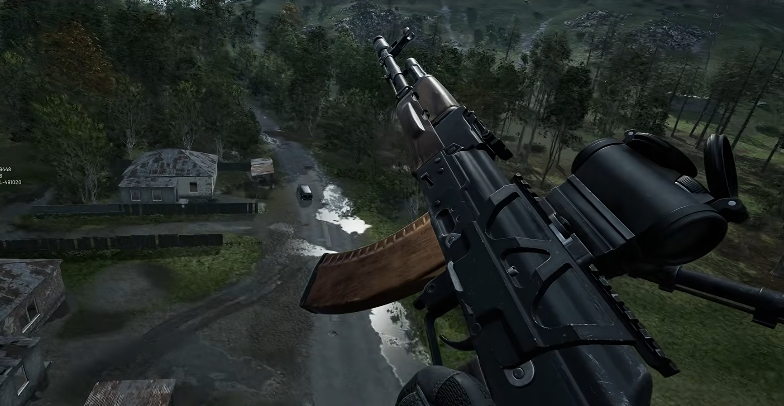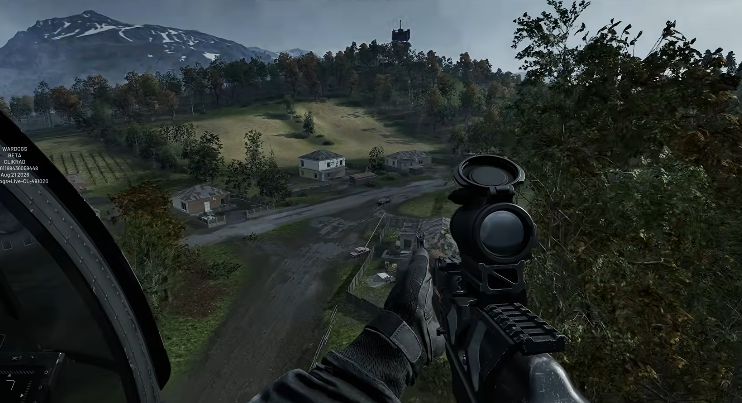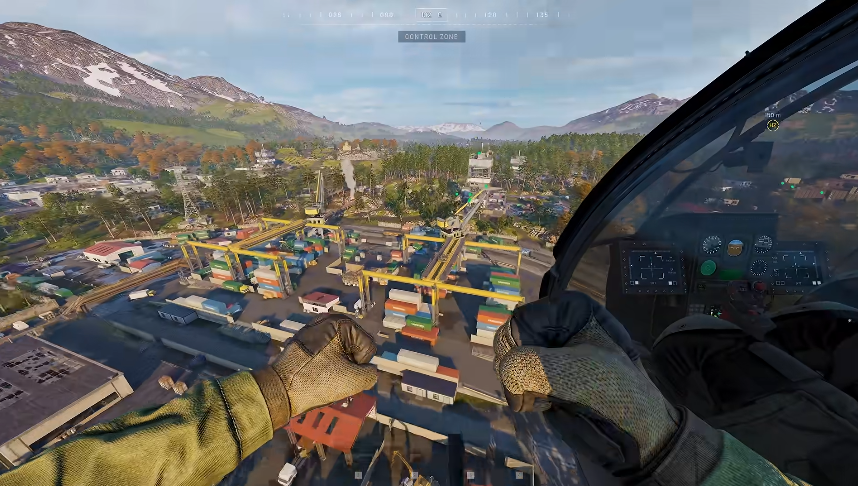
After a prolonged stretch of radio silence that had many convinced the project was abandoned, the dieselpunk extraction shooter Marauders has abruptly re-emerged with an announcement of renewed development. A sudden “production update” posted by the development team claims that, despite a two-year hiatus from public communications and no visible patches, work has been ongoing behind the scenes. This unexpected revival has stirred a mix of surprise, skepticism, and a flicker of renewed hope among a player base that had largely moved on.
The Ghost Ship Returns
Marauders first entered early access on Steam in October 2022, buoyed by a wave of initial enthusiasm. Its premise—combining the tense, loot-driven formula of extraction shooters with a gritty, spaceship-centric dieselpunk aesthetic—offered a distinct alternative to genre titans like Escape From Tarkov. For a paid title, its early concurrent player numbers were respectable, suggesting a core audience intrigued by its thematic promise and more approachable design. However, momentum stalled after the “Retribution” update in August 2024. From that point forward, no further updates were released. The Steam storefront itself began displaying an automatic warning that the game had not been updated for over twenty months, a digital tombstone for many early access projects.
The assumption of abandonment felt logical. The extraction shooter landscape evolved rapidly in that interim, with major new contenders like Arc Raiders and Marathon entering the fray. Within the community, anecdotes circulated, including a 2025 Reddit exchange where a user reported that publisher Team17 had indicated active development had stopped. The narrative was set: Marauders was a dormant experiment, another early access casualty.
A Long Silence Explained
The new statement from developer Small Impact Games attempts to rewrite that narrative. According to the post, the team was “fully focused on the game” throughout the entire silence. The explanation offered is that a planned round of fixes “grew into a much larger, necessary change,” prompting a decision to commit to a comprehensive overhaul instead of releasing incremental patches. “This isn’t a patch. It’s a full overhaul aimed at getting Marauders where it should be,” the developers wrote, emphasizing a reworking of core systems and mechanics. In essence, they claim the hiatus was a deliberate, albeit poorly communicated, pivot toward foundational reconstruction rather than abandonment.
This explanation, while welcome to some, inherently raises questions. A two-year gap without any interim communication, even to acknowledge such a significant shift in development direction, is unusual in contemporary game development, where maintaining community trust often hinges on transparency. The contradictory message from the publisher only adds to the confusion, painting a picture of internal misalignment or a breakdown in public relations strategy. The situation is strange, not necessarily due to suspected impropriety, but because it defies the standard rhythms of live-service or early access development, where silence is typically interpreted as a death knell.
Community Reaction: Between Hope and Fatigue
The immediate reaction to the announcement reveals a community divided, yet still palpably engaged. On the Steam announcement page, replies accumulated quickly—multiple pages within hours—indicating that an audience for Marauders persists. Responses range from cynical “let it die” comments, born from frustration over the long wait and outdated roadmap, to genuine excitement from players who still cherish the game’s unique atmosphere and potential. This polarized sentiment is telling. The negative reactions highlight the risk of extended silence: player goodwill erodes, and skepticism becomes the default. The positive reactions, however, suggest that the core concept of Marauders—its “impeccable vibes” and dieselpunk spaceship setting—still holds a resonant appeal that can survive lengthy neglect.
This lingering interest may be rooted in the game’s original strengths. Even in its early, limited state, observers noted that Marauders possessed a compelling thematic identity and a relatively lower barrier to entry compared to its more punishing competitors. Its setting, a grimy, corporate-war-dominated space frontier, offered a fresh narrative backdrop. Its core loop of boarding procedurally-generated ships, fighting AI and players, and escaping with loot had a clear, compact charm. For players exhausted by the extreme commitment required by other extraction titles, Marauders represented a potentially more digestible alternative. That foundational appeal seems to have endured, waiting for a competent execution to unlock it.
The Overhaul’s Promise and Peril
What exactly this “full overhaul” entails remains unspecified. The developers mention reworking core systems and rebuilding mechanics, which could encompass almost anything: a revised netcode and server architecture, a redesigned progression or crafting system, overhauled AI behavior, new map or ship generation logic, or even a shift in fundamental game economics. The scope is intentionally vague, but the language suggests changes significant enough to warrant treating the eventual release as a relaunch rather than a simple update.
This approach carries substantial risk. The game’s existing player base, however diminished, is accustomed to a specific set of mechanics and balance. A radical overhaul could alienate those who enjoyed the original version, even if it was flawed. Furthermore, the time invested means the developers are now re-entering a market that has grown more competitive and sophisticated. Players’ expectations for polish, content depth, and technical stability have risen. Marauders must not only fix its past issues but also meet contemporary standards to be considered viable.
Moreover, the financial model presents a hurdle. Marauders is not free-to-play; it carries a price tag, which means any relaunch must convince players to either reinvest in a game they already own (if they are existing purchasers) or to spend new money on an early access title with a historically troubled development cycle. The Steam roadmap, ironically, still points to milestones culminating in “late 2023,” a detail that visually contradicts the new narrative of ongoing work. Clearing up these logistical and perceptual obstacles is as crucial as the technical overhaul itself.
The Changed Landscape of Extraction Shooters
When Marauders went quiet in 2024, the extraction shooter genre was already established but had not yet reached its current saturation. Today, the field is crowded with high-profile projects. Arc Raiders, a free-to-play title from former Battlefield developers, promises a slick, sci-fi PvPvE experience. Marathon, Bungie’s revival of its classic franchise, is poised to enter the space with significant brand power and resources. Existing giants like Escape From Tarkov continue to dominate, while other experiments like Hunt: Showdown maintain dedicated niches. Even the “royale” variants, like Dark and Darker, blend extraction mechanics with dungeon-crawling.
For Marauders to find a space now, it must leverage its uniqueness more aggressively. Its dieselpunk art direction—a blend of retro-future machinery, worn metal, and industrial aesthetics—remains a distinguishing asset. The focus on spaceship interiors as primary combat environments, with the added meta-game of piloting and navigating a personal craft, offers a structural difference from traditional forest or urban maps. Capitalizing on these distinctive features, rather than merely chasing genre conventions, could be its path to relevance. The overhaul must therefore sharpen what made Marauders different, not just make it more generically competent.
A Case for Cautious Optimism
Given the history, recommending an immediate purchase of Marauders is premature. The evidence of active, meaningful development is still primarily a single blog post, a promise without visible proof. However, for observers and genre enthusiasts, the situation warrants monitored interest. The sheer fact that a team has publicly recommitted after such a long gap suggests either a last-ditch effort or a genuine behind-the-scenes resurrection. If the latter is true, and the overhaul addresses the foundational technical and design issues that likely hampered the initial version, Marauders could emerge as a intriguing, mid-tier contender in the extraction space—a title for players seeking a specific vibe and a less overwhelmingly punishing experience.
Its potential success hinges on transparent follow-up. The developers must now transition from a one-off announcement to a consistent communication cadence, sharing progress, outlining specific changes, and perhaps revising the public roadmap. They need to reconcile the conflicting statements about development status and rebuild trust. The community response shows there is a seed of interest to cultivate; neglecting it again would be fatal.
The story of Marauders is a reminder of the volatile nature of early access development. Projects can vanish into silence, presumed dead, only to resurface with ambitious plans. Whether this return leads to a revitalized game or becomes a postscript to its initial decline depends entirely on the substance behind the promise. For now, the dieselpunk spaceship has, unexpectedly, powered its engines back on. It’s worth watching to see if it can truly navigate the much more crowded skies it now finds itself in.