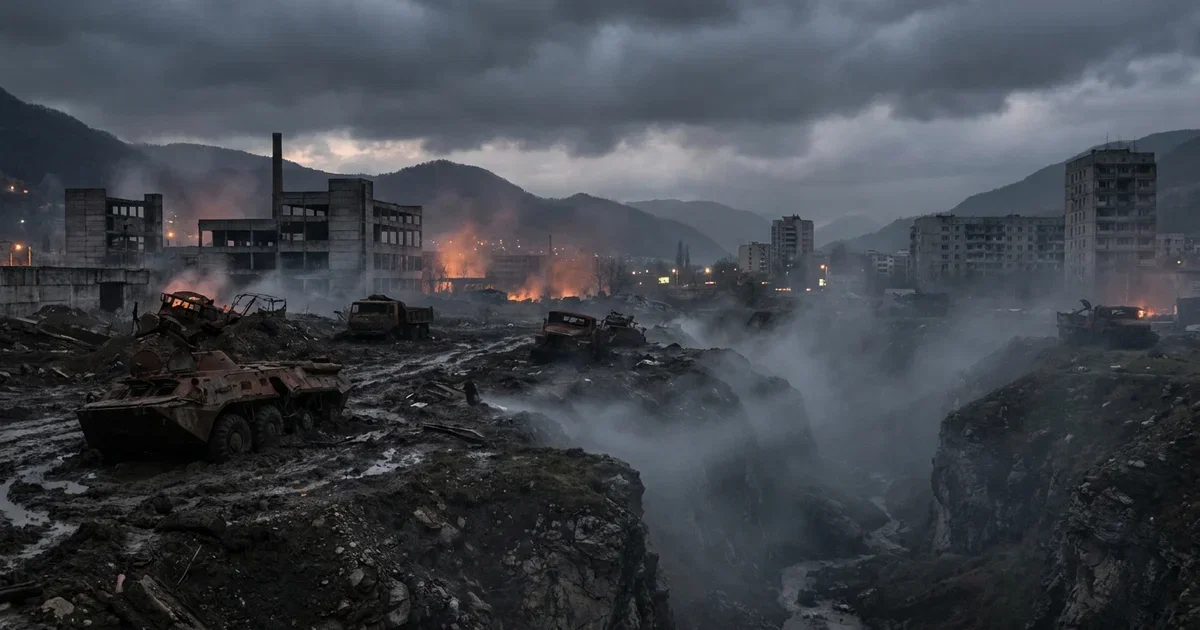
The 38th edition of Spain’s prestigious Goya Awards concluded with a clear victor: Oliver Laxe’s atmospheric drama ‘Fire Will Come’ (O Que Arde). The film, which previously earned acclaim at the Cannes Film Festival, secured six statuettes, establishing itself as the night’s most honored production. While the top prize for Best Film went to the drama ‘Sundays,’ the evening belonged to Laxe’s meditation on nature, memory, and destruction set in rural Galicia.
Complete List of Winners in Major Categories
The ceremony, held in Valladolid, celebrated the best of Spanish cinema from the past year. ‘Fire Will Come’s’ technical and artistic mastery was recognized across the board. Oliver Laxe himself took home the award for Best Director, a testament to his singular vision. The film’s haunting visual poetry, captured by cinematographer Mauro Herce, earned the award for Best Cinematography. The meticulous craft extended to Best Editing, Best Sound, Best Original Score, and Best Art Direction, completing a sweep that highlighted the film’s immersive, sensory power.
Best Film and Acting Honors
In a surprising turn, the award for Best Film was claimed by ‘Sundays,’ a drama directed by Ramón Salazar. The film, which explores the lives of a group of women in Madrid, resonated deeply with the academy, securing the ceremony’s most coveted honor. In the acting categories, veteran actor David Verdaguer won Best Leading Actor for his role in ‘Sábado,’ while Best Leading Actress was awarded to its star, María Vázquez. The supporting actor awards went to Hovik Keuchkerian for ‘La Mesías’ and Ana Gabarain for ‘Cerrar los Ojos.’
International Acclaim Meets National Recognition
‘Fire Will Come’s’ Goya triumph represents a significant moment where international festival success translates into domestic industry acclaim. The film premiered in the Un Certain Regard section at Cannes, where it won the Jury Prize. Its narrative—centered on a man returning to his Galician village after a prison sentence for arson, as wildfires threaten the region—struck a chord both for its timeless themes and its urgent environmental subtext. The Goya wins validate Laxe’s position as one of Spain’s most compelling contemporary auteurs, blending documentary-like realism with profound, almost mythical, storytelling.
The Significance of the Goya Awards in Spanish Cinema
Often described as Spain’s equivalent of the Oscars, the Goya Awards are organized by the Academia de las Artes y las Ciencias Cinematográficas de España. The awards not only honor artistic achievement but also serve as a vital barometer for the health and direction of the national film industry. A strong showing at the Goyas can dramatically influence a film’s box office performance within Spain and bolster its profile for international distribution. The awards ceremony itself is a major televised event, drawing significant public attention to the nominated films and their creators.

A Platform for Diverse Voices
This year’s winners reflect the diversity of storytelling in modern Spanish cinema. While ‘Fire Will Come’ is a slow-burn, geographically specific art film, ‘Sundays’ offers a more urban, character-driven ensemble piece. Other winners across categories, including animation and documentary, showcased a range of genres and perspectives. This breadth is crucial for an industry navigating global streaming markets while striving to maintain its unique cultural identity. The awards also highlighted strong performances from regional film industries, particularly from Galicia, the setting and production base for ‘Fire Will Come.’
Analysis of the Winning Films’ Themes
‘Fire Will Come’: A Cinematic Poem on Nature and Human Frailty
At its core, ‘Fire Will Come’ is a film about anticipation and consequence. Laxe uses the looming threat of wildfire as a powerful metaphor for repressed emotions, past trauma, and the destructive yet regenerative force of nature. The film’s pacing and visual composition force the audience to engage with the landscape as a central character, making its eventual fate deeply personal. The Goya wins for sound and score are particularly telling; the film’s auditory landscape—the crackle of fire, the silence of the forest, the melancholic score—is integral to its impact. This recognition underscores how technical categories are often where a film’s deepest artistic ambitions are realized.
‘Sundays’: Intimacy and Urban Melancholy
‘Sundays,’ the Best Film winner, presents a contrasting world. Set in the heart of Madrid, it weaves together the stories of several women at different stages of life, connected by a shared sense of loneliness and the search for connection on a typical Sunday. Its victory suggests the academy’s appreciation for nuanced, performance-driven narratives that explore contemporary social dynamics. The film’s success marks a win for more traditional, character-centric drama, proving there remains a strong appetite for stories focused on emotional realism and interpersonal relationships.
Impact on Careers and Industry Trends
For Oliver Laxe, the six Goya awards cement his reputation following his earlier success with ‘Mimosas.’ He is now firmly established as a director whose work commands both critical respect and major industry prizes. For the producers and technical artists involved, these awards can be career-defining, opening doors to larger projects and international collaborations. Furthermore, the strong showing of a contemplative, visually-driven film like ‘Fire Will Come’ may encourage producers and financiers to support similarly ambitious auteur projects, signaling that artistic risk can yield the highest recognition.
Reactions from the Ceremony and the Film Community
Accepting his award for Best Director, Oliver Laxe dedicated the honor to rural communities and spoke about the importance of cinema that engages with the natural world. The cast and crew of ‘Sundays’ expressed joyful shock at their Best Film win, highlighting the collaborative spirit of their project. The ceremony was also marked by speeches addressing broader social issues, reflecting the film industry’s role in public discourse. As the awards were presented, social media buzzed with commentary from critics and audiences, with many praising the academy for recognizing two such distinct and powerful films as the year’s top achievers.
The dominance of ‘Fire Will Come’ at the Goya Awards signifies more than just a collection of trophies; it represents a moment of alignment between Spain’s cinematic avant-garde and its established industry institutions. It proves that films operating at the highest level of artistic ambition can achieve mainstream validation. Meanwhile, the crowning of ‘Sundays’ as Best Film ensures that human-scale drama remains at the heart of the national conversation. Together, these winners paint a picture of a vibrant, multifaceted industry capable of honoring both breathtaking visual poetry and deeply felt human stories, setting a compelling precedent for Spanish cinema’s future.