The intersection of generative AI and art has become a central debate in modern entertainment, especially within the video game industry. As rumors and concerns swirl, developers are increasingly forced to clarify their production methods. Against this backdrop, Soulframe Liang, the head of development for the upcoming action RPG Phantom Blade Zero, has issued a definitive statement on the matter. In a recent interview, Liang unequivocally confirmed that generative artificial intelligence was not utilized in the production of his studio’s project, asserting that everything was crafted manually by human artists and designers. This stance provides a clear counterpoint to the growing trend of AI-assisted development and opens a crucial dialogue on craftsmanship, artistic integrity, and the future of game creation.
The Developer’s Stance on Generative AI in Gaming
Soulframe Liang’s comments were direct and unambiguous. He positioned generative AI as a tool whose primary utility is to inspire ideation, not to execute final production. Liang emphasized that while AI can serve as a springboard for brainstorming initial concepts, the actual implementation within Phantom Blade Zero—from character models to environmental textures, narrative beats, and combat animations—was entirely the result of human effort. This declaration is significant not merely as a project-specific fact but as a philosophical statement from a lead developer on the value of manual artistry in a high-stakes, AAA-level production environment.
Phantom Blade Zero’s Handcrafted Artistic Vision
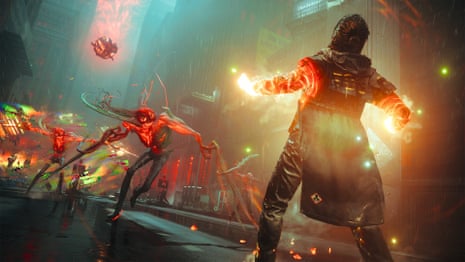
The game Phantom Blade Zero itself is steeped in a distinct aesthetic that blends Chinese martial arts lore with punk and gothic elements. This unique fusion demands a cohesive artistic vision that generative AI, currently prone to producing derivative or inconsistent outputs, could potentially fracture. Liang’s insistence on manual creation ensures stylistic coherence. Every detail, from the intricate design of a character’s dao blade to the moody lighting of a rain-slicked courtyard, is purposefully placed by an artist to serve the game’s overarching tone and narrative. This hands-on approach is fundamental to achieving the bespoke, atmospheric quality that defines the game’s promotional materials and developer diaries.
Preserving Artistic Integrity and Developer Control
By rejecting generative AI for production, the team maintains absolute control over the intellectual and artistic property. There are no legal grey areas regarding training data or output ownership, which can plague AI-generated content. Furthermore, this choice safeguards the creative intent. The artists’ personal touch, cultural understanding, and technical skill directly translate into the game world, creating a product that is authentically theirs rather than an algorithmic collage. This is particularly vital for a title drawing deeply from specific cultural and historical inspirations, where nuance and respect are paramount.
Industry Reactions and the Broader Debate
Liang’s statement contributes to a growing industry-wide conversation. Other notable studios and figures have expressed varying degrees of skepticism or outright prohibition regarding generative AI in core art production. The concerns typically revolve around ethical issues—such as the use of copyrighted artwork in AI training sets without permission—and practical fears about homogenizing art styles and devaluing human skill. Conversely, many studios are embracing AI for specific, non-artistic tasks like localization assistance, code debugging, or procedural generation of vast terrain. Phantom Blade Zero’s position highlights a clear bifurcation in the industry: AI as a supportive tool versus AI as a creative substitute.

The Impact on Player and Community Perception
The transparency from S-Game, the developer behind Phantom Blade Zero, also serves a marketing and community-building purpose. For a segment of players and enthusiasts, the knowledge that a game is handcrafted carries significant weight. It implies a dedication to quality, a respect for the craft, and a potential for greater depth and intentionality. In an era where players are increasingly aware of and concerned about development practices, this manual approach can foster stronger trust and enthusiasm within the community, differentiating the title in a crowded marketplace.
Practical Challenges of a Fully Manual Production
Committing to a no-AI production pipeline is not without its challenges. It demands larger, highly skilled art and design teams, increased production time, and consequently, higher budgetary requirements. For a studio like S-Game, this path represents a significant investment and risk. It necessitates rigorous project management to ensure that the manual creation process does not lead to unsustainable delays or scope creep. The payoff, however, as articulated by Liang, is a final product with unparalleled consistency and a soul—a direct reflection of the team’s collective vision without algorithmic intermediation.
The Future of AI and Manual Craft in Game Development
The path chosen by Phantom Blade Zero’s developers does not imply a blanket rejection of technology. It suggests a curated use. Tools for asset management, animation rigging, physics simulation, and other technical underpinnings are undoubtedly employed. The delineation is specifically against generative AI in the artistic domain. This approach may set a precedent for other studios aiming to create highly stylized, author-driven games. It reinforces that technological advancement and manual craftsmanship are not mutually exclusive but can be strategically separated to preserve the core artistic value of a project.
Ultimately, the confirmation that Phantom Blade Zero is built without generative AI is more than a technical footnote. It is a deliberate stand on the importance of human artistry in digital worlds. As the industry navigates the powerful yet ethically complex tide of AI integration, such clear positions help chart the course. They remind both developers and consumers that the soul of a game—its unique aesthetic, its emotional resonance, its cultural specificity—often resides in the sweat and skill of its human creators, not in the calculated output of a machine. This commitment to manual production, while arduous, promises a game experience where every element is imbued with intentionality, offering a potential depth that remains the exclusive domain of human creativity.