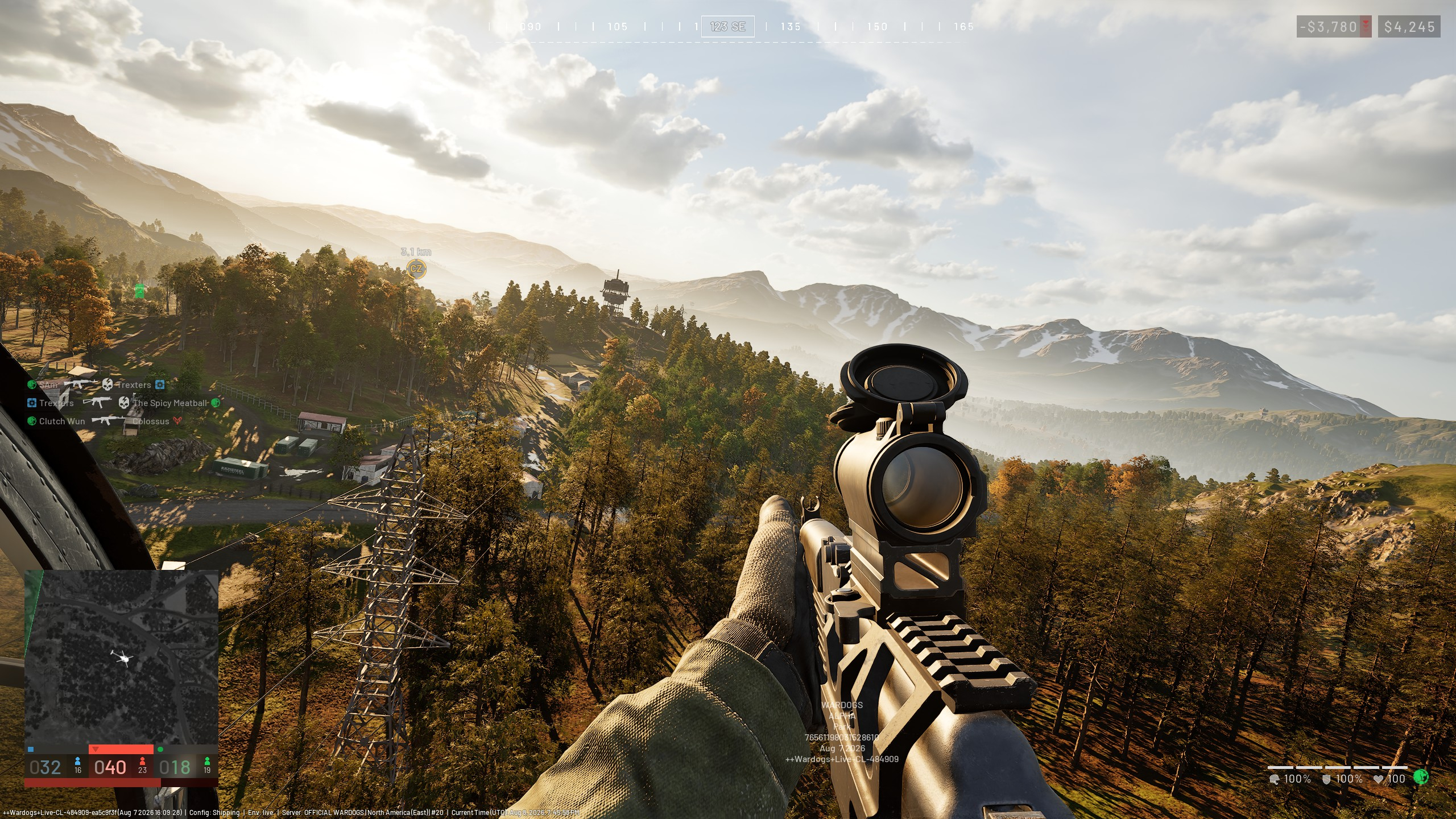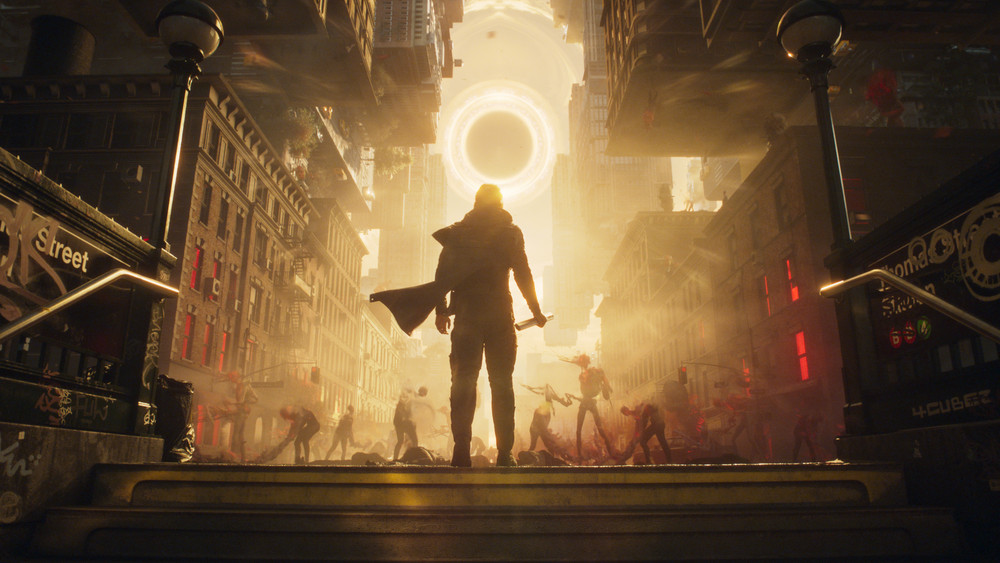
The abrupt cancellation of Highguard, the live-service multiplayer title from Wildlight Entertainment, has revealed stark platform performance disparities that offer a rare glimpse into the brutal economics of modern game development. According to studio director Chad Grenier, who shared internal metrics following the shutdown announcement, PlayStation 5 accounted for the overwhelming majority of the game’s player base, more than doubling the engagement seen on Xbox Series consoles and significantly outperforming the Steam PC platform.
The 37-Day Lifespan of a Live Service Title
Highguard’s operational window lasted just 37 days before Wildlight Entertainment declared the project financially unviable. During that brief period, the game attracted over 2 million players worldwide—a number that might suggest success in a different era, but which proved insufficient in today’s hyper-competitive games-as-a-service landscape. The average player session lasted 91 minutes, with users completing approximately 3.48 matches per access. These engagement metrics, while respectable, couldn’t overcome the fundamental economic challenges facing the title.
Platform Performance: Sony’s Console Emerges as Clear Leader
The platform distribution data released by Grenier reveals a pronounced skew toward PlayStation 5. While specific numbers weren’t disclosed, the director confirmed that PS5 player counts were “more than double” those recorded on Xbox Series X|S systems. The Steam version represented the smallest slice of the active community, completing a platform hierarchy that defied some industry expectations about PC being the natural home for competitive multiplayer titles.
This platform disparity raises questions about marketing strategies, platform holder partnerships, and audience preferences. Did PlayStation’s marketing apparatus provide stronger support? Were there technical or performance advantages on PS5? Or does this reflect broader trends in where competitive multiplayer audiences congregate? The data suggests that for certain game genres, platform choice remains a critical determinant of success, even in an era of cross-platform play.
The Financial Reality Behind the Shutdown
Grenier addressed speculation directly, stating that revenue simply wasn’t sufficient to maintain the development team. This financial reality was compounded when Tencent withdrew funding just weeks after Highguard’s launch—a decision that effectively sealed the project’s fate. Despite maintaining thousands of daily active users, the game couldn’t achieve the critical mass necessary for sustainability in a market where immediate, explosive success has become practically mandatory for live-service survival.

The Tencent Factor: How Investor Decisions Shape Game Development
The withdrawal of Tencent’s financial support represents a case study in how investor confidence—or the lack thereof—can determine a game’s destiny. In today’s development environment, where games require continuous investment long after launch, the loss of major backing creates an almost insurmountable obstacle. Grenier’s transparency about this factor provides valuable insight into the fragile ecosystem supporting live-service titles, where player numbers alone don’t guarantee longevity if financial backing evaporates.
Development Challenges and Public Perception
Responding to theories that Wildlight might have ignored internal problems or skipped adequate testing, Grenier asserted that the team was consistently critical of their own work. He acknowledged, however, that the public narrative surrounding the shutdown is unlikely to change. “Nobody will know the true story of the studio or the game,” he stated with resignation, predicting that rumors and speculation would continue circulating despite the released data.
This tension between internal reality and external perception represents a growing challenge for developers in the social media age. When projects fail, the complete story rarely emerges, leaving space for simplified narratives that may not reflect the complex decisions and constraints facing development teams.
The Final Days: One Last Update Before Server Shutdown
Highguard remains playable temporarily, with a final update scheduled to introduce a new character, weapon, and skill tree. The definitive server shutdown is set for March 12, giving the existing community a brief window to experience these final additions. This decision to release content even after announcing closure suggests a commitment to the player base that remained engaged, however small it might have been relative to sustainability thresholds.
What Highguard’s Data Reveals About Platform Strategies
The stark platform performance differences highlighted by Highguard’s metrics should inform future development and publishing decisions. For multiplayer titles targeting specific genres or audiences, platform prioritization might need to become more strategic. The data suggests that blanket cross-platform releases without platform-specific strategies could leave potential audiences untapped or resources misallocated.
The Live-Service Threshold: When Millions Aren’t Enough
Highguard’s story challenges conventional wisdom about what constitutes success in gaming. Two million players in just over a month would have been considered a triumph in previous generations, but in today’s live-service environment, it represents the baseline for failure. The economic model supporting these games requires not just players, but sustained engagement, microtransaction conversion, and long-term retention—a combination that has proven elusive for all but a handful of titles.
The 91-minute average session length suggests solid engagement during play, but the overall player count couldn’t support the infrastructure and development costs. This disconnect between quality of experience and quantity of players highlights the precarious position of mid-tier live-service games caught between indie development and AAA blockbusters.
Industry Implications: The Growing Risk of Live-Service Development
Highguard’s rapid rise and fall exemplifies the high-risk nature of live-service development. With player expectations set by enduring successes like Fortnite, Apex Legends, and Destiny 2, new entrants face almost impossible standards for immediate impact. The market has become increasingly winner-take-all, with players concentrating their time and spending on established titles rather than distributing attention across multiple services.
This concentration effect creates particular challenges for new intellectual properties without built-in fan bases or massive marketing budgets. Even with solid gameplay fundamentals and reasonable launch numbers, breaking through requires either extraordinary luck or extraordinary resources—neither of which Wildlight Entertainment could muster after Tencent’s withdrawal.
Transparency in Failure: A New Trend in Game Development?
Grenier’s decision to share detailed performance data following cancellation represents a potentially significant shift in how studios handle failure. Traditionally, cancelled projects fade away with minimal explanation, leaving communities to speculate about what went wrong. By providing specific metrics and addressing speculation directly, Wildlight has set a precedent for transparency that could benefit the industry if adopted more widely.

This approach allows for more informed discussion about the challenges facing game development and provides valuable data points for other studios navigating similar territory. While it won’t change Highguard’s fate, it contributes to collective industry knowledge about what works—and what doesn’t—in the competitive live-service space.
As the March 12 server shutdown approaches, Highguard’s legacy may extend beyond its brief operational life. The data it generated about platform preferences, engagement patterns, and sustainability thresholds offers concrete insights in an industry often driven by anecdote and assumption. For developers contemplating their own live-service ventures, these numbers provide sobering but valuable context about the market realities facing new entrants. The story of Highguard ultimately illustrates not just why one game failed, but the structural challenges reshaping game development economics in an era where player attention has become the industry’s most contested—and most fragile—resource.