A significant strategic pivot is underway at Sony Interactive Entertainment, as the company reportedly halts development on PC versions of two highly anticipated upcoming titles: Ghost of Yotei and the newly revealed Saros. This move marks a substantial reversal from the publisher’s recent multi-year initiative to bring its flagship PlayStation 5 exclusives to the Steam platform, signaling a renewed and aggressive focus on console exclusivity as a core business pillar.
The End of an Era for PlayStation PC Ports
For nearly half a decade, Sony has methodically expanded its presence on PC. Beginning with Horizon Zero Dawn in 2020, the company established a pattern of releasing its major first-party PlayStation exclusives on PC after a significant delay, typically 18 to 24 months post-console launch. This strategy, often referred to as the “PlayStation PC port initiative,” saw critical and commercial successes with titles like God of War, Marvel’s Spider-Man Remastered, and The Last of Us Part I. The approach was widely interpreted as a method to tap into a massive secondary revenue stream, extend the lifecycle of its premium games, and build brand affinity among PC gamers who might later consider purchasing a PlayStation console.
Ghost of Yotei and Saros: The Casualties of the New Strategy
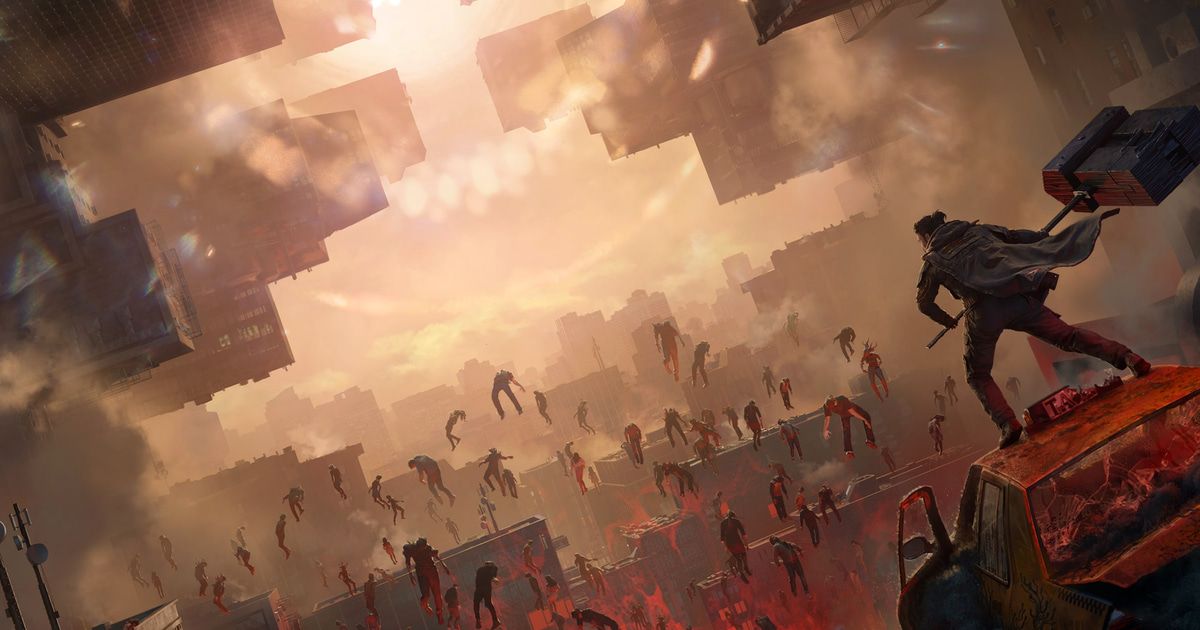
The two games at the center of this shift are particularly noteworthy. Ghost of Yotei is the confirmed sequel to Sucker Punch Productions’ 2020 hit, Ghost of Tsushima. Set in a new region during the same historical period, its announcement was met with immense excitement. Industry analysts had universally assumed it would follow the established porting model. Saros is a more enigmatic project, recently trademarked by Sony and believed to be a new intellectual property from a major first-party studio, possibly Naughty Dog or Santa Monica Studio. The cancellation of their PC development indicates this strategic shift applies not just to sequels but to new franchises as well, representing a clean break from recent precedent.
Analyzing Sony’s Strategic Recalculation
This decision to double down on PS5 exclusivity is not made in a vacuum. It follows a period of intense scrutiny regarding the financial and strategic efficacy of the PC port program. Several internal and market factors likely contributed to this recalibration.
Protecting the Console Ecosystem’s Value Proposition
The primary driver appears to be a need to reinforce the unique value of the PlayStation hardware ecosystem. With Microsoft aggressively pursuing a day-one cross-platform strategy for most of its first-party titles via Xbox Game Pass, the lines between console and PC have blurred significantly in the competitor’s camp. Sony’s leadership may have concluded that the long-term health of the PlayStation platform depends on maintaining a robust portfolio of games that can only be played on its console. The fear of “cannibalization”—where PC ports reduce the incentive for gamers to buy a PS5—may have outweighed the proven revenue from Steam sales.

Resource Allocation and Development Strain
Porting a AAA game from the bespoke architecture of the PS5 to the diverse landscape of PC hardware is a complex, resource-intensive endeavor. It requires dedicated teams, often external porting houses like Nixxes Software (which Sony acquired in 2021), and can stretch development timelines. By halting PC development for these titles, Sony can potentially reallocate those resources to ensure the PS5 versions are polished and released sooner, or to greenlight additional exclusive projects. In an era of rising development costs, focusing efforts on a single platform can be a compelling efficiency argument.
Market Saturation and Diminishing Returns
While early PC ports like God of War broke sales records on Steam, the market may be experiencing a form of saturation. The novelty of playing a former PlayStation exclusive on PC has worn off, and each subsequent port may see marginally lower sales. Furthermore, the extended wait time for the PC version has led to widespread piracy of PS5 games, as impatient PC gamers seek alternative methods to play. Sony’s new stance could be an attempt to combat this by making exclusivity airtight.
Immediate Industry and Consumer Reactions
The reaction to this reported shift has been swift and polarized, highlighting the deep divide in modern gaming audiences.
Backlash from the PC Gaming Community
The PC gaming community, which had grown accustomed to eventually receiving Sony’s top-tier titles, has reacted with significant disappointment and frustration. For many PC-only gamers, the previous strategy was a welcome olive branch, allowing them to experience critically acclaimed narratives and gameplay without console ownership. The cancellation of ports for Ghost of Yotei and Saros is seen as a retraction of that access, fueling sentiments of being treated as a secondary market. This could damage the brand loyalty Sony had been carefully cultivating on the platform.
Validation for Core PlayStation Advocates
Conversely, dedicated PlayStation fans and console purists have largely celebrated the news. For this segment, exclusive games are the fundamental reason to choose one platform over another. They argue that the quality and ambition of Sony’s first-party studios are directly tied to the focused optimization for a single piece of hardware. The move is viewed as a return to the “console wars” philosophy that built PlayStation’s dominant market position, a reaffirmation that buying a PS5 guarantees access to experiences unavailable elsewhere.
The Broader Implications for the Gaming Landscape
Sony’s strategic U-turn sends ripples across the entire industry, influencing competitor strategies, developer priorities, and long-term market dynamics.
A Clear Divergence from Microsoft’s Path
The contrast between Sony and Microsoft’s strategies has never been starker. Microsoft is betting on a service-based, platform-agnostic future where content is king, accessible via subscription anywhere. Sony is now explicitly betting on a hardware-centric future where exclusive content drives hardware sales, which in turn drives software and services revenue within a closed ecosystem. The success or failure of these opposing approaches will define the next generation of console competition.
Impact on Third-Party Publishers and Timed Exclusives
If Sony is willing to forgo potential hundreds of millions in PC revenue for its own games, it may also increase its investment in securing timed console exclusivity for major third-party titles. This could lead to more deals similar to those for Final Fantasy XVI or Silent Hill 2, further locking content to the PS5 for a period. It may also encourage other platform holders to reassess their own PC release strategies.
Potential for a Revised Hybrid Model
Industry observers note that this shift may not be absolute. Sony could adopt a more selective model, where certain franchise genres (like live-service games, such as Helldivers 2) continue with day-one PC releases, while story-driven, single-player tentpoles like Ghost of Yotei remain permanent exclusives. This would allow them to have it both ways: using PC to support games designed for recurring revenue while keeping narrative blockbusters as system sellers.
Looking Ahead: The Future of PlayStation Exclusivity
The decision regarding Ghost of Yotei and Saros is a definitive statement of intent, but the market’s final verdict will be delivered in sales figures and player engagement metrics over the coming years.
The Pressure on First-Party Quality and Output
This strategy places immense pressure on Sony’s internal studios. If exclusivity is the renewed cornerstone, then the quality, quantity, and consistency of first-party releases must be exceptionally high. Any perceived drought of exclusive hits or a high-profile critical failure would be magnified, as there would be no secondary PC market to offset disappointment or financial underperformance. The stakes for studios like Naughty Dog, Santa Monica, and Insomniac have been raised considerably.
A Calculated Bet on the Next Console Generation
This pivot is likely not just about the remainder of the PS5 lifecycle but is a foundational principle for the inevitable PlayStation 6. Sony is betting that a strong, exclusive software library will be the most powerful tool to ensure a successful next-generation launch, convincing its existing user base to upgrade and attracting new users from the outset. The games canceled for PC today are being positioned as pillars for the console of tomorrow.
The reported halt of PC versions for Ghost of Yotei and Saros is more than a simple change in release plans; it is a strategic landmark. It closes one chapter defined by expansion and cross-platform revenue and forcefully opens another defined by consolidation and fortified exclusivity. The success of this gamble will hinge on whether the allure of unparalleled exclusive experiences can continue to drive tens of millions of consumers to a dedicated box under their television, in an age where gaming is increasingly becoming a fluid, device-agnostic activity. The entire industry will be watching to see if this bold retreat to tradition proves to be a masterstroke or a miscalculation.