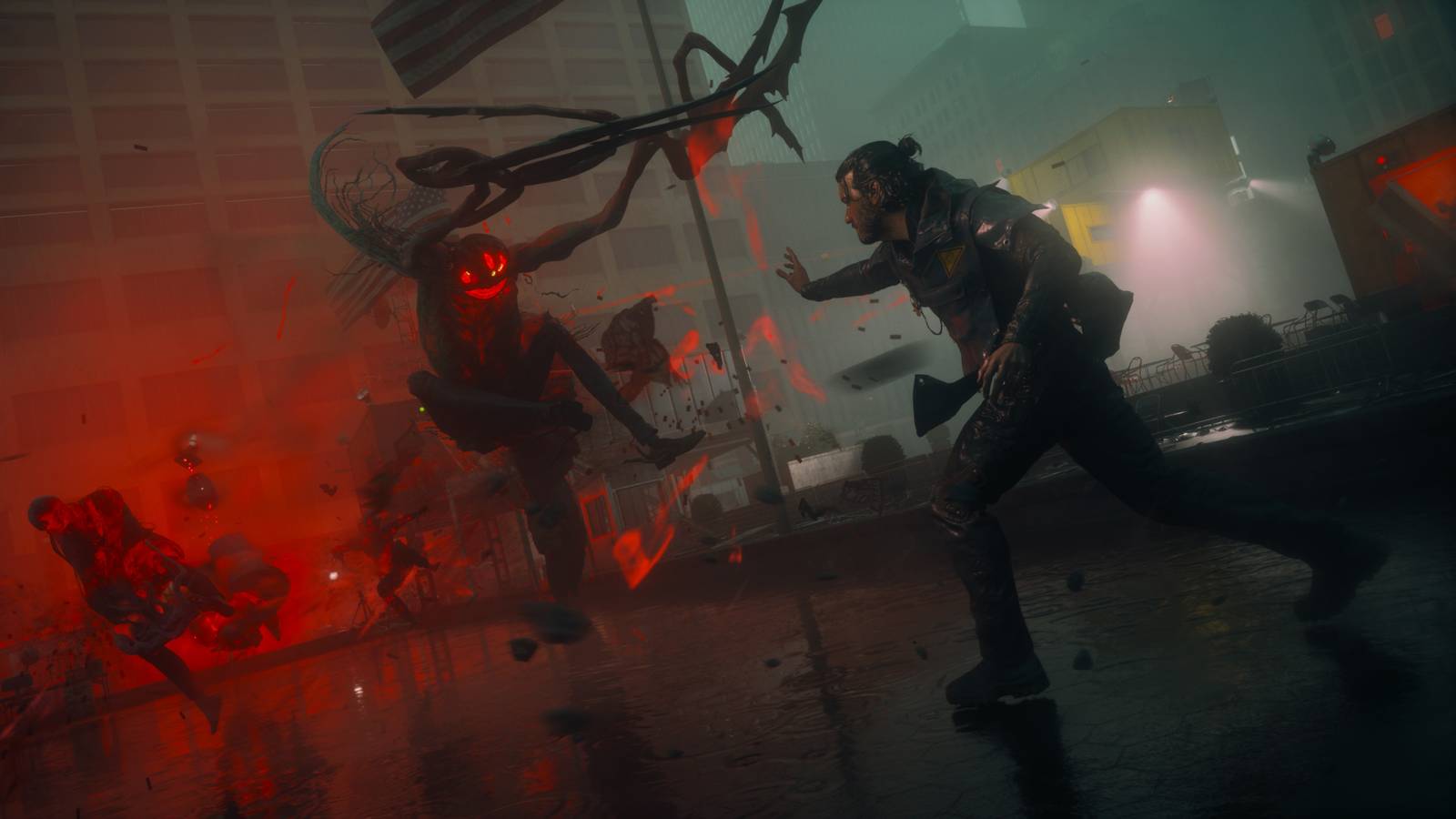
Players eager to dive into the co-operative zombie-slaying chaos of John Carpenter’s Toxic Commando on PC were met with confusion and empty Steam libraries on launch day. The highly anticipated title, which released simultaneously on PlayStation 5 and Xbox Series X/S, failed to appear for download on Valve’s platform at the expected time, prompting immediate questions from a global player base.
The Steam Store Page Countdown Malfunction
According to multiple reports from players and gaming outlets, the intended release countdown timer on the official Toxic Commando Steam store page never activated. This led to widespread uncertainty, with many users refreshing their libraries repeatedly, unsure if the game had been delayed or if there was a regional issue. Initial communications from the development studio, Saber Interactive, and publisher Focus Entertainment cited a “miscommunication” or technical error in the storefront’s backend as the root cause. Unlike console platforms, which often have more centralized and predictable global unlock systems, Steam’s process involves coordinating a simultaneous worldwide release, which appears to have encountered a last-minute hitch.
Console Versions Launch Without Issue
In contrast to the PC situation, the console releases for PlayStation 5 and Xbox Series X/S proceeded as scheduled. Players on these platforms were able to purchase, pre-load, and begin playing Toxic Commando at their respective local midnight launch times. This disparity highlighted the fragmented nature of modern game launches, where different storefronts and platform holders operate on independent systems. The smooth console launch confirmed that the game’s build was ready and that the issue was isolated to its deployment on PC via Steam, not a problem with the game code itself.
Confirmed Global Release Schedule for PC
Following the initial confusion, the official global unlock times for the PC version were clarified. The release is staggered based on time zones, with the unlock rolling out across the world starting on the morning of March 12, 2026, in the Americas. Below is the complete schedule for major regions.
Americas and European Release Times
The launch begins on the West Coast of the United States, with players in Los Angeles and the Pacific Time Zone gaining access at 10:00 AM on March 12. Central and Eastern North America follow shortly after, with Mexico City at 12:00 PM (noon) and New York at 1:00 PM EST. South American players in São Paulo can join at 3:00 PM local time. The wave then moves to Europe, with London unlocking at 5:00 PM GMT, Paris at 6:00 PM CET, and regions like Lagos and Cairo following at 7:00 PM and 8:00 PM respectively. Johannesburg also unlocks at 8:00 PM SAST.

Asia-Pacific and Oceania Release Times
For players in Asia and Oceania, the wait extends into March 13, 2026. The action begins in Moscow at 9:00 PM MSK on the 12th, followed by Dubai at 10:00 PM GST. India unlocks at 11:30 PM IST. East Asia sees the game go live in the early morning hours: Chongqing and Beijing at 1:00 AM CST, Singapore at 2:00 AM SGT, and both Seoul and Tokyo at 3:00 AM KST/JST. Finally, players in Sydney, Australia, can start at 5:00 AM AEDT, with Auckland, New Zealand, being among the last major regions to gain access at 7:00 AM NZDT on March 13.
Navigating Multi-Platform Game Launches
This incident underscores the increasing complexity of launching a major video game title across multiple platforms in the digital age. While developers aim for a unified “day one” experience, the technical and logistical frameworks of Sony’s PlayStation Network, Microsoft’s Xbox Live, and Valve’s Steam are distinct. Each has its own certification processes, pre-load policies, and global unlock mechanisms. A failure in one part of this chain, especially on the world’s largest PC gaming storefront, can create a significant rift in player experience and generate negative sentiment during the crucial first hours of a game’s life.
Industry Response and Player Sentiment
The gaming community’s reaction was a mix of frustration and resigned understanding. Social media and gaming forums were flooded with posts from PC players asking about the delay, while console players shared their first impressions and gameplay clips. This created a two-tiered launch day narrative—one of immediate enjoyment for console users and one of anxious waiting for PC gamers. Industry analysts note that such incidents, while not uncommon, can impact a game’s crucial initial engagement metrics and player count peaks on platforms like Steam, which are closely watched indicators of success.
The Role of Pre-loads and Day-One Patches
Compounding the frustration for many was the inability to pre-load the game on Steam. Pre-loading allows players to download encrypted game files before the official release time, so they can decrypt and start playing immediately at launch. The Steam countdown error reportedly prevented this process from being activated correctly. Furthermore, even when the game does unlock, players must then download the full title, which could be dozens of gigabytes, followed by any potential day-one patch. This means the actual time from purchase to play could be significantly longer than the listed unlock time for those with slower internet connections.
Looking Ahead: Preventing Future Launch Issues
For developers and publishers, launches like this serve as a stress test for their coordination with platform holders. Best practices often involve having live operations teams and community managers ready to communicate instantly across all channels—official websites, social media, Discord, and Steam community pages—to provide clarity the moment an issue arises. Transparent and timely communication, as seen with the rapid release of the global timetable, is key to mitigating player frustration. Moving forward, studios may invest more resources in dry runs and confirmation protocols with storefronts to ensure countdown timers and pre-load functions activate as intended.
The delayed unlock, while a temporary setback, is unlikely to diminish the long-term prospects for Toxic Commando, which banks on the enduring appeal of John Carpenter’s cinematic style and the popularity of its four-player co-op horde mode. For the PC gaming community, the episode is a reminder of the inherent unpredictability of digital launches, where the excitement of a new release is sometimes preceded by the age-old practice of waiting. The global timetable now provides a clear roadmap, turning hours of uncertainty into a coordinated, worldwide moment when players can finally band together to face the toxic horde.