The video game industry faces another complex case of workplace allegations and corporate response as Embark Studios, the developer behind the upcoming cooperative shooter Arc Raiders, has parted ways with cofounder and longtime industry veteran Robert Runesson. The separation comes after an investigation into sexual misconduct allegations against Runesson that the company stated it was unable to substantiate, highlighting the difficult balance companies must strike between supporting potential victims and protecting employees from unverified claims.
Allegations And Investigation At Embark Studios
Embark Studios, founded in 2018 by former DICE executives, confirmed that Robert Runesson, one of its original cofounders and the studio’s Chief Creative Officer, has left the company. The departure followed what the company described as a thorough internal investigation into allegations of sexual misconduct. In a statement to industry publications, Embark Studios said it took the allegations “extremely seriously” and conducted a comprehensive review, but ultimately found itself “unable to substantiate” the claims against Runesson.
The company’s handling of the situation reflects the growing complexity of workplace investigations in the post-#MeToo era, where companies face increasing pressure to address allegations promptly while ensuring fair process for all involved. Embark’s statement emphasized its commitment to creating a “safe and inclusive workplace for everyone,” but stopped short of providing specific details about the investigation process or the nature of the allegations, citing privacy concerns for all parties.
Robert Runesson’s Industry Legacy And Embark’s Founding
Robert Runesson brought considerable industry credibility to Embark Studios at its inception. A veteran of Swedish game developer DICE, where he worked for over a decade, Runesson contributed to some of the most successful first-person shooter franchises in gaming history. His tenure at DICE coincided with the development and success of the Battlefield series, games renowned for their technical innovation and large-scale multiplayer combat.
When Runesson joined forces with former DICE CEO Patrick Söderlund to found Embark Studios in 2018, the new company immediately attracted attention within the industry. Backed by Nexon, the South Korean gaming giant, Embark positioned itself as a studio focused on creating “new types of interactive entertainment” using cutting-edge technology. Runesson’s role as Chief Creative Officer placed him at the center of the studio’s creative direction, particularly for its flagship title, Arc Raiders.

The Impact On Arc Raiders Development
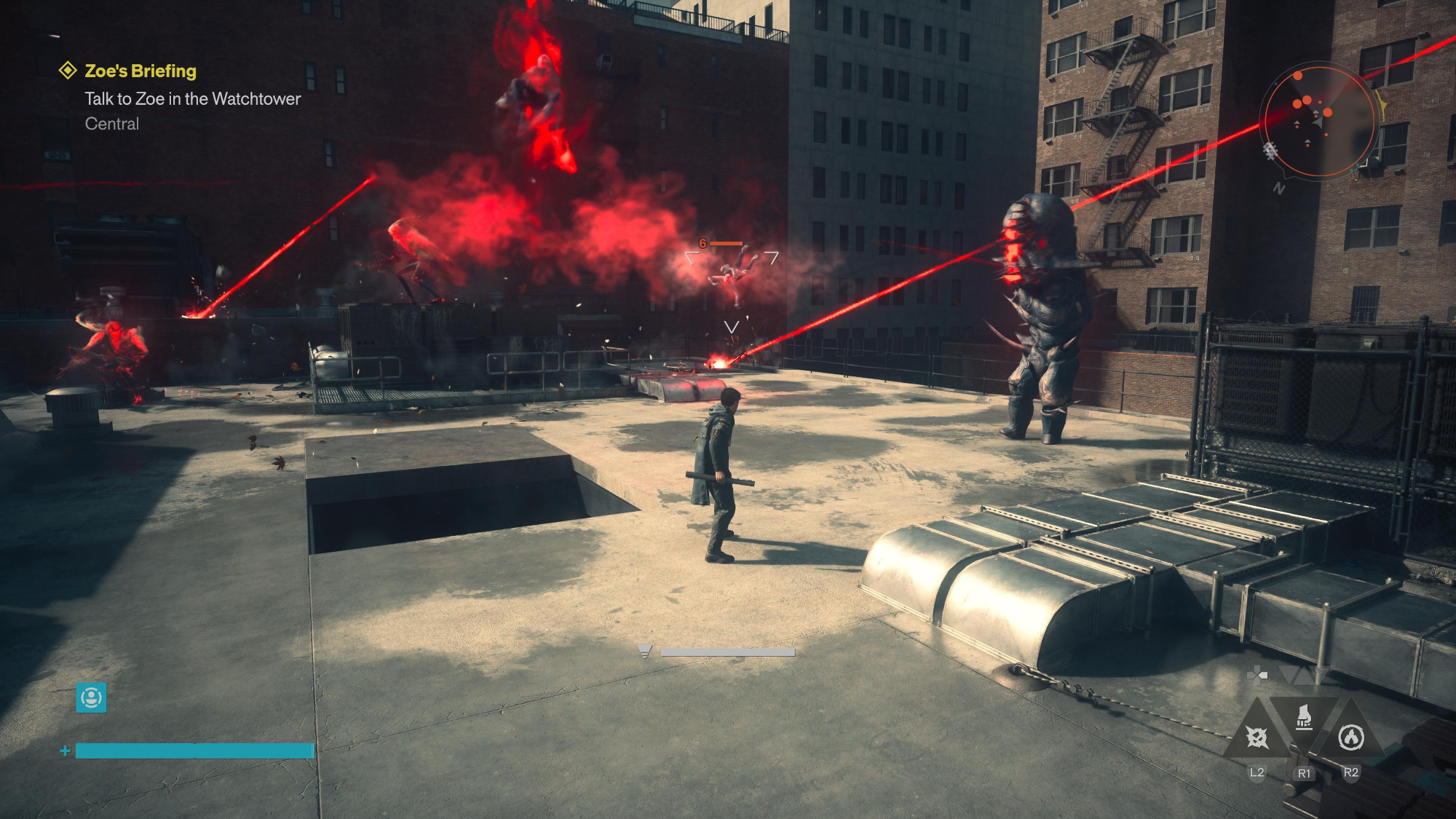
The departure of a cofounder and chief creative officer inevitably raises questions about the development status of Arc Raiders, Embark’s first announced title. Described as a cooperative third-person shooter where players band together to fight mechanical invaders in a post-apocalyptic setting, Arc Raiders has generated significant anticipation since its reveal at The Game Awards in 2021. The game represents Embark’s ambitious entry into the live-service shooter market, competing with established titles like Destiny 2 and Warframe.
Industry analysts suggest that while Runesson’s departure creates leadership uncertainty, modern game development relies on large, distributed teams rather than singular creative visionaries. Embark Studios has not announced any delay to Arc Raiders’ development timeline, suggesting the company may have implemented succession planning or distributed creative leadership responsibilities in anticipation of potential disruptions. The studio’s statement emphasized that development on Arc Raiders continues “uninterrupted,” with the team remaining focused on delivering the promised experience to players.
Industry-Wide Patterns In Misconduct Investigations
The situation at Embark Studios reflects broader patterns in how video game companies handle misconduct allegations following years of industry scandals. Since 2020, numerous studios including Activision Blizzard, Ubisoft, and Riot Games have faced public reckonings over workplace culture, leading to increased scrutiny of how allegations are investigated and addressed.
Legal experts note that companies face competing pressures: the ethical imperative to believe and support victims, the legal necessity of due process for the accused, and the business need to maintain operational stability. Investigations that conclude without substantiation present particular challenges, as companies must navigate the potential perception of failing victims while also protecting employees from potentially false or unprovable allegations.
Procedural Transparency Versus Privacy Concerns
Embark’s limited disclosure about its investigation process highlights the tension between transparency and privacy in corporate misconduct cases. While stakeholders increasingly demand openness about how companies handle allegations, privacy laws in many jurisdictions restrict what information can be shared, particularly when investigations don’t result in definitive findings.
Employment law specialists note that companies often walk a fine line, wanting to demonstrate they’ve taken allegations seriously without exposing themselves to defamation claims if allegations prove unsubstantiated. This balancing act has led to the now-common corporate language of “parting ways” or “mutual separation” when executives depart following investigations, regardless of the outcome.
The Evolving Standards Of Corporate Response
The video game industry’s approach to misconduct allegations has evolved significantly since the initial wave of #MeToo revelations. Where early responses often involved minimal statements or silence, companies now typically issue formal acknowledgments of investigations while carefully avoiding prejudicial language about either party. This evolution reflects both legal counsel and changing societal expectations about corporate responsibility.
Human resources consultants working with tech companies note that investigation protocols have become more standardized, often involving third-party investigators, clear documentation processes, and defined criteria for what constitutes substantiation. However, the inherent challenge of investigating sensitive interpersonal matters without witnesses or physical evidence remains, particularly for allegations concerning behavior that occurred outside formal workplace settings or in private communications.
The Personal And Professional Fallout
For Robert Runesson, the departure from Embark represents a significant professional setback regardless of the investigation’s outcome. As a cofounder, his identity was closely tied to the studio’s public image and creative direction. Industry observers note that even unsubstantiated allegations can have lasting career impacts in an era of increased scrutiny, with some professionals finding it difficult to secure comparable positions following high-profile departures.
Meanwhile, the individuals who brought forward the allegations face their own challenges. Without the validation of a substantiated finding, they may experience doubt from colleagues or industry peers, potentially creating a chilling effect on future reporting. This dynamic underscores why many workplace culture advocates emphasize the importance of supporting all parties through investigation processes while maintaining confidentiality.

Embark Studios’ Path Forward
With Runesson’s departure, Embark Studios must now navigate both internal team dynamics and external perceptions as it continues development on Arc Raiders and other unannounced projects. The studio’s handling of the transition will be closely watched as an indicator of its cultural resilience and operational maturity.
Industry management experts suggest that studios facing similar leadership transitions often focus on three key areas: clear internal communication about organizational changes, reinforced commitment to workplace values, and maintaining development momentum to demonstrate stability to both employees and external partners. Early indications suggest Embark is pursuing this approach, with statements emphasizing continuity in both operations and cultural commitments.
Broader Implications For Game Development Culture
The Embark situation occurs against the backdrop of ongoing industry conversations about power dynamics, creative leadership, and accountability in game development. The traditional model of the visionary creative director with substantial autonomy has increasingly come under scrutiny, with calls for more collaborative, distributed leadership structures that reduce dependence on single individuals.
Some studios have responded by implementing co-leadership models, clearer reporting structures, and more robust succession planning. These measures not only address potential misconduct risks but also provide business continuity benefits, ensuring that projects aren’t derailed by the departure of key personnel for any reason. The long-term impact on Embark’s creative direction and whether it shifts toward more collaborative leadership remains to be seen.
Investor And Partner Considerations
For Nexon and other potential partners, the handling of misconduct allegations represents both reputational and financial considerations. In an era when workplace culture directly impacts talent recruitment and retention—critical factors in the talent-driven game industry—investors increasingly scrutinize how portfolio companies manage internal issues.
Publicly traded companies like Nexon face additional pressure from shareholders concerned about brand risk associated with portfolio studios. This has led to more active investor engagement on workplace culture issues, with some investment firms incorporating cultural metrics into their evaluation criteria. Embark’s handling of this situation may influence both its relationship with Nexon and its attractiveness to future partners or acquirers.
The Unresolved Questions In Unsubstantiated Cases
Cases like Runesson’s departure highlight fundamental questions about justice, fairness, and organizational responsibility that lack easy answers. When investigations cannot reach definitive conclusions, companies must make difficult judgment calls about appropriate outcomes. Some opt for separation regardless of substantiation, viewing the mere existence of allegations as creating an unworkable environment. Others attempt rehabilitation or mediation when possible, particularly for valued employees with otherwise strong records.
These decisions inevitably draw criticism from different perspectives: those who believe companies should unequivocally support accusers, those who emphasize due process rights for the accused, and those focused purely on business continuity. The absence of clear societal consensus on these matters leaves companies navigating uncertain terrain with each case.
The video game industry continues to grapple with its cultural legacy while building more equitable futures. Each case of alleged misconduct, regardless of outcome, contributes to evolving standards and practices. As developers like Embark Studios move forward from these challenging situations, they carry the responsibility of implementing lessons learned while delivering on creative promises to players. The true test may come not in the handling of a single investigation, but in the sustained commitment to cultures where all talent can thrive without fear of harassment or unfair treatment, and where allegations are met with both seriousness and rigorous fairness—a balance that remains one of the industry’s most significant ongoing challenges.