Publisher MicroProse and developer Monte Gallo have locked in a May 12 release date for Better Than Dead, positioning the hyper-realistic first-person shooter as a direct contender in the emergent bodycam-FPS genre. The announcement trailer substantiates the promise of visceral, chaotic gunplay set against a meticulously rendered photorealistic Hong Kong backdrop, a clear nod to the kinetic energy of classic action cinema.
Better Than Dead Core Gameplay Mechanics
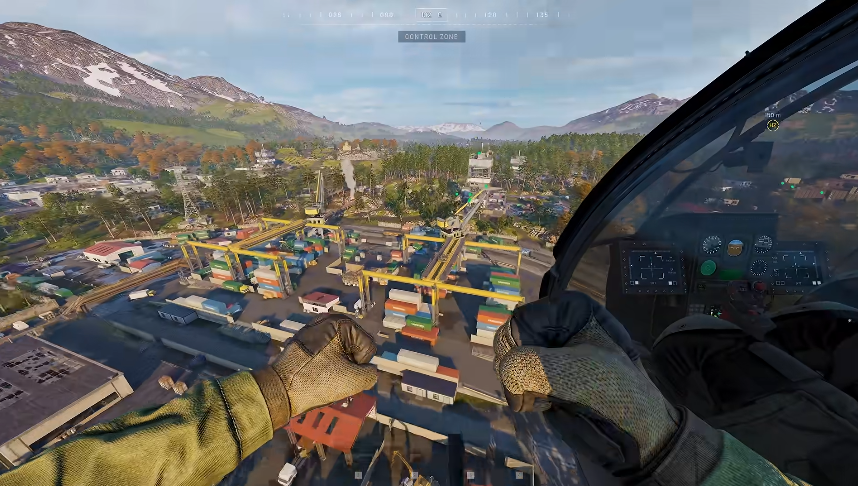
The game design philosophy is rooted in lethality and consequence, forging a gameplay loop where hesitation equates to failure. Each encounter is engineered as a high-stakes puzzle, resolved within a compressed timeframe where positioning, timing, and precision with the player’s limited arsenal are paramount. This creates a relentless, forward-moving rhythm, supported by tightly scripted linear levels designed for escalation without filler. The visual presentation leverages a bodycam-style perspective not merely as an aesthetic choice but as a core mechanic, heightening immersion and forcing a constrained, realistic field of view that amplifies tension.
| Core Mechanic | Design Goal | Player Impact |
|---|---|---|
| Close-Quarters Gunplay | Fast Time-to-Kill (TTK), high weapon lethality | Demands split-second decision-making and precise aim; punishes tactical errors severely. |
| Bodycam Presentation | First-person immersion with simulated camera movement and audio | Creates visceral, grounded feel; restricts peripheral awareness to increase tension. |
| Linear Level Design | Curated encounter sequencing for pacing control | Drives a high-momentum experience focused on continuous, intense action. |
| Environment Interaction | Destructible elements and tactical space utilization | Adds a strategic layer to positioning; environments become dynamic components of combat. |
Better Than Dead Technical and Artistic Execution
Beyond its mechanical framework, Better Than Dead leverages modern rendering techniques to realize its photorealistic vision of Hong Kong. The environmental detail—from rain-slicked neon-lit alleyways to the claustrophobic interiors of cramped apartments—serves as more than scenery; it defines the combat arenas. The artistic direction explicitly channels the gritty, high-contrast visual language and balletic yet brutal choreography of 1980s and 1990s Hong Kong action films, translating cinematic language into interactive systems. This synergy between art and gameplay is critical for maintaining the game’s promised tone of desperate, cinematic violence.
Better Than Dead Market Positioning and Launch Content
Launching into a niche but growing segment defined by titles emphasizing realism and immersive simulation, Better Than Dead distinguishes itself through its specific cultural and cinematic inspiration. MicroProse and Monte Gallo confirm the title will launch as a complete core experience, featuring a full narrative arc delivered across multiple handcrafted levels. This approach prioritizes a polished, focused campaign over expansive live-service models, targeting an audience seeking a dense, high-quality single-player or limited cooperative experience. The May 12 release date strategically positions the game to capture players seeking intense, tactical FPS gameplay rooted in a strong aesthetic identity.