The scariest enemy in The Blood of Dawnwalker isn’t a vampire lord or a mythical beast. It’s a stopwatch.
You’d expect me to start talking about Brencis, the main antagonist who turned Coen into this human-vampire hybrid nightmare. Or maybe some ancient witch lurking in Veil Sangora’s fog-soaked forests. But the real threat—the one that will wreck your playthrough faster than any boss fight—is the game’s 30-day time limit. Every quest you accept, every side path you explore, every bandit camp you clear eats away at that clock. And unlike traditional RPGs where you can grind levels until you’re invincible, The Blood of Dawnwalker punishes indecision with permanence.
Why Power Means Nothing Without Context
Let’s get this straight right now: a bog-standard vampire hunter with a crossbow is more dangerous to your playthrough than a mythical werewolf if you encounter him on day 28.
Here’s why. The game locks regional difficulty the moment you enter an area. That means if you wander into a high-level zone on day three, the enemies scale to your level at entry. But they stay there. So clearing that zone on day twenty-four feels the same as day three—except now you’ve burned twenty-one days you could have spent on main objectives.
Rebel Wolves designed this deliberately. Internal testing shows a 50-to-70-hour playthrough, but you cannot see everything in one run. The structure forces choices. And choices mean some enemies simply outrank others because they represent a time tax, not a stat check.

The Time Tax Tier List
Tier Zero: The Calendar Itself
You can’t stab a calendar. You can’t hex it. You can’t talk your way past it. The 30-day system is the only enemy in The Blood of Dawnwalker that wins if you ignore it long enough.
Every action in Veil Sangora consumes time. Traveling between regions. Resting to regenerate health. Crafting potions from your own blood. The developers have confirmed there are no mini-games—no Gwent equivalent, no dice poker—because Coen literally does not have leisure time. His family is dying. Every hand of cards you play is a day you didn’t save them.
This reframes every other enemy encounter. A pack of wolves that slows you down for three in-game hours? That’s not a minor nuisance. That’s three hours closer to failure. A boss that kills you five times and forces reloads? Each attempt eats a chunk of the day.
The worst part is the permanence. Manual saves exist, but the developers openly encourage you to “just roll with it and move on from a loss.” Some losses derail entire story branches. You make a bad call on day twelve, and by day twenty-eight you realize you’ve locked yourself out of the ending you wanted. No reloading your way out of that.
Tier One: The Freshly-Made Dawnwalker Trap
Here’s the counterintuitive part about the boss rush option. You can storm Brencis’s castle immediately after the prologue. The game lets you. But defeating him as a freshly made Dawnwalker is “a feat worthy of legends,” which is developer-speak for “you will get obliterated.”
This is a trap built into the game’s open structure. New players—especially ones coming from Skyrim or The Witcher—assume they can save the hard content for later. The Blood of Dawnwalker flips that expectation. If you rush the main boss, you lose. If you spend thirty days exploring everything, you also lose, because your family dies while you were looting caves.
The middle path is the only winning strategy. And the enemies in the middle zones—the level-scaled encounters in regions you entered at mid-game—hit hardest because they consume days you can’t get back.
Tier Two: Weather-Dependent Threats
Dynamic weather in most games is cosmetic. Rain looks pretty. Fog adds atmosphere. In The Blood of Dawnwalker, weather changes combat viability.
Fog reduces visibility for both Coen and his enemies. That sounds balanced until you realize vampires and vampire hunters see differently in low light. Some enemies gain advantages during specific weather conditions. A fight that’s trivial in clear daylight becomes a nightmare in a rainstorm.
The source material confirms this directly: “fog can affect visibility across the board, allowing both Coen and his enemies to make use of it to turn the tables.” This means you can’t just memorize attack patterns. You have to account for environmental conditions that you cannot control. And waiting for better weather costs time.

So the enemy you should fear most during a fog bank? It might be a basic enemy type that suddenly becomes lethal because you can’t track its movements.
Tier Three: The Witchcraft Users
The game’s magic system runs on your own blood. Casting hexes—speaking with the dead, entering the astral plane, moving faster—costs health. Every spell is a tradeoff between power and survivability.
Enemies that use similar abilities become extremely dangerous because they don’t seem to have the same resource constraint. You encounter a witch who can hex you while also summoning undead. Your options are: take the hex damage and try to close distance, sacrifice your own blood to counter-hex, or retreat and waste another half-day coming back with a different approach.
The source notes that “you can learn the dark secrets of witchcraft” and “use your own blood to cast hexes.” This implies enemy casters operate on different rules. They might have effectively infinite blood—or they’re drawing from a pool that doesn’t affect their survivability.
Ranking these enemies depends entirely on when you encounter them. Early game, they’re manageable. Late game, when you’re low on health from accumulated time pressure and can’t afford to rest? A single witch can end your run.
The Directional Combat Controversy
Before we go further, let’s address the combat system because it changes how you evaluate enemy threat.
The Blood of Dawnwalker offers optional directional combat. You can toggle attacks and blocks to manual aiming—swinging your sword in specific directions, blocking from specific angles. Or you can use Omniblock and Omniattack, where your character handles direction automatically.
This is a huge deal because the game’s enemies are designed around the directional system. The source explicitly mentions Kingdom Come: Deliverance comparisons. Players who disliked that game’s combat were worried. Rebel Wolves responded by making directional controls optional.
What does this mean for enemy ranking? Simple: an enemy that’s tough with automatic combat might be trivial with directional controls, and vice versa. The werewolf form transformation—which reminds some players of the old Castlevania: Lords of Shadow gameplay—changes how directional attacks work. The combat system itself is a variable that shifts enemy power rankings based on your settings.
If you’re playing with full directional combat, humanoid enemies with shields become more threatening because you need precise angles to bypass their blocks. If you’re using Omniblock, those same enemies are less scary but large monsters with sweeping attacks become harder to evade.

Side Quests as Hidden Boss Encounters
Here’s a design choice that makes The Blood of Dawnwalker enemies harder to rank: there are no side quests. Every quest is a main quest.
The developers said this explicitly: “every quest is a main quest.” This means you cannot skip content. You cannot decide to ignore the “optional” vampire nest while focusing on the “real” story. Everything you do is part of your 30-day journey. Every enemy you fight matters.
This transforms the concept of powerful enemies. The bandit camp you’d normally bypass in Skyrim because it’s “just side content” is now a main objective with time attached. The optional boss in a random dungeon is now a critical path decision.
So who is the most powerful enemy? The one that makes you waste the most time before you realize you’ve made a mistake.
The Real Endgame Threat
Let me tell you about the enemy that’s going to ruin your first playthrough.
It’s not a boss. It’s not a monster. It’s the combination of the time system and the regional level-locking mechanic.
Here’s how it works. You enter a region on day five. The game notes your level and locks the difficulty. You explore, fight some enemies, move on. On day twenty-five, you need to return to that region for an objective. But the enemies are still scaled to your day-five level—which means they’re now laughably easy if you’ve progressed normally, or brutally hard if you’ve focused on non-combat skills.
The problem is you can’t know which regions are safe until you visit them. The game opens Veil Sangora early. You have freedom. But freedom without information is a trap. You could waste five days wandering into regions that are either too hard or too easy, while the clock ticks toward your family’s death.
This is the enemy that beats most players on their first run. The unknown difficulty curve disguised as open-world exploration.
Bosses Are Actually the Safest Enemies
This sounds wrong. But hear me out.
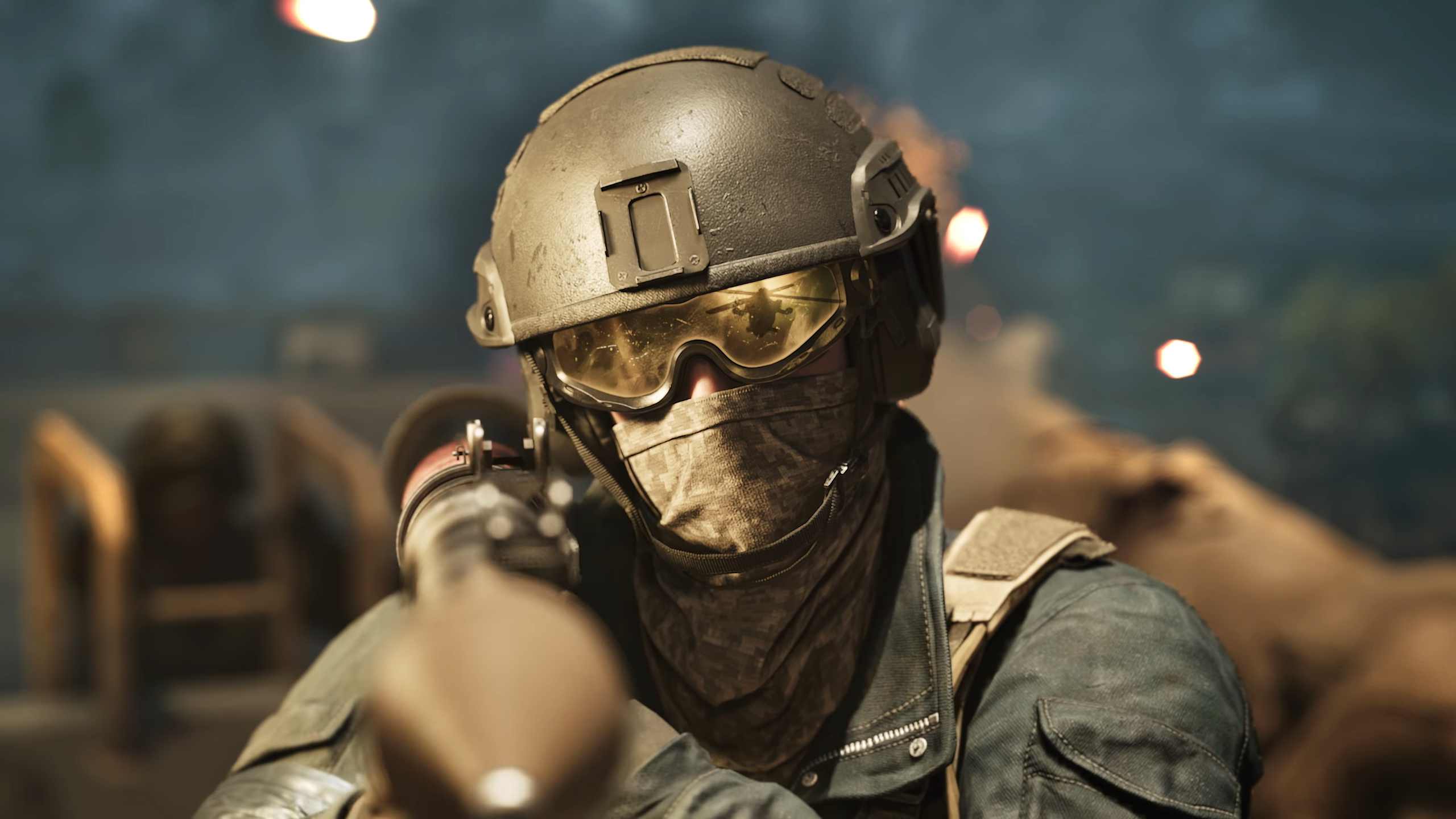
Bosses in The Blood of Dawnwalker are predictable. They have attack patterns. They have vulnerabilities you can learn. They exist in specific locations you can prepare for. You know when you’re about to fight a boss. You can save manually before the encounter.
The enemies that will destroy you are the random patrols, the weather-empowered mobs, and the time-consuming distractions that drain your days before you realize what’s happening.
The developers confirmed “advanced adjustable difficulty settings” are available in the official listings. You can tweak combat to be easier if you’re struggling with melee. But you cannot adjust the time system. You cannot slider your way out of day twenty-eight with three unfinished objectives.
The One Enemy You Can’t Beat
There’s an enemy in The Blood of Dawnwalker that has no health bar, no attack animation, and no counter-strategy.
It’s your own curiosity.
Every cave you explore is a gamble. Every NPC conversation could lead to a multi-day quest chain. Every interesting landmark on the horizon costs time you don’t have. The game is designed to make you want to explore—beautiful open world, rich lore, hidden corners of the veil with ancient history and useful gear—but exploration is the primary way to lose.
The source material says “diving into hidden corners of the veil to uncover nuggets of its rich lore and ancient history, often uncovering useful gear or tools in the process” is a main activity. But that gear comes at a cost. You might find a legendary sword on day twenty-nine. Your family dies on day thirty. What did that sword accomplish?
Here’s the thing about ranking enemies in The Blood of Dawnwalker that most previews miss: the game isn’t asking you to be powerful. It’s asking you to be efficient. The best players won’t be the ones who master directional combat or perfect their hex rotation. They’ll be the ones who develop an internal clock—a gut feeling for when to push forward and when to retreat, when to investigate and when to ignore.
The werewolf form, the blood magic, the Omniattack system—these are tools for surviving combat encounters. But the real fight happens in your head, every time you see an unexplored path and have to decide whether it’s worth the hours it will consume.
Rebel Wolves built a game where the final boss isn’t a monster you fight. It’s a choice you make. And that choice happens thirty times, once for every day on the clock, until you either save your family or watch them die because you couldn’t stop chasing the next piece of treasure.