Building a custom home starts with a critical first step: securing the right piece of land. While the dream of designing your own house is compelling, the process of buying land is fundamentally different from purchasing an existing home. Raw land comes with unique financing challenges, zoning considerations, and due diligence requirements that can catch even experienced buyers off guard. Understanding these nuances before you start searching can save you thousands of dollars and months of frustration. This guide walks through the essential stages of buying land to build a house, from evaluating your budget to closing the deal.
Assessing Your Total Land Budget
Before you begin looking at parcels, you need a clear picture of the full financial commitment. The price of the land itself is only one piece of the puzzle. Site preparation, utility connections, permits, and surveys can add tens of thousands of dollars to your upfront costs. A common mistake is focusing solely on the lot price and ignoring the expenses required to make it buildable.
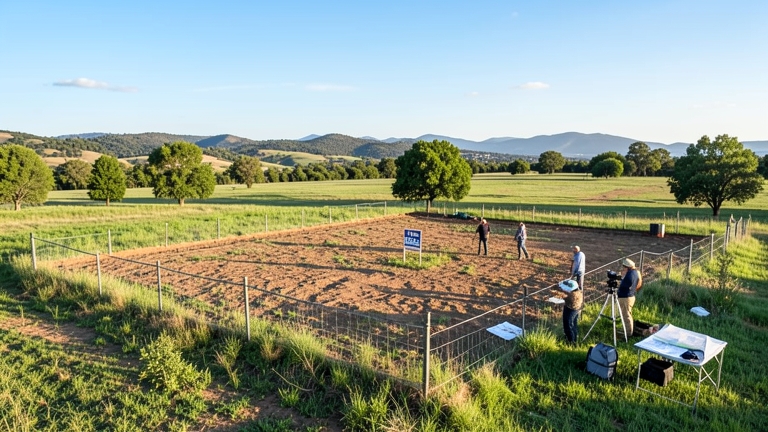
Factor in costs for soil testing, percolation tests for septic systems, land surveys, title searches, and environmental assessments. If the property is heavily wooded or has uneven terrain, clearing and grading can be substantial. Utility hookups for water, sewer or septic, electricity, gas, and internet may require running lines from the main road, which can be expensive depending on distance. Lenders typically require a larger down payment for raw land, often 20 to 50 percent, and interest rates on land loans tend to be higher than on conventional mortgages. Establishing a realistic total budget that includes the land purchase plus all preparatory work will prevent you from falling in love with a property you cannot afford to develop.
Financing Your Land Purchase
Raw Land Loans vs. Construction Loans
Financing raw land is more complex than financing a house. Most conventional mortgage lenders do not offer loans for undeveloped land because it is considered a higher risk. You may need to pursue a specialized land loan from a local bank, credit union, or agricultural lender. These loans typically have shorter terms, higher interest rates, and larger down payment requirements. Some lenders offer a construction-to-permanent loan, which combines the land purchase and home construction into a single loan package. This option can simplify the process and lock in a rate for the entire project, but it requires detailed building plans and a qualified builder.
Alternative Financing Options
Seller financing is another avenue to explore. In this arrangement, the seller acts as the lender, allowing you to make payments directly to them over an agreed term. This can be beneficial if you have difficulty qualifying for traditional financing or want more flexible terms. Home equity loans or lines of credit from an existing property can also provide funds for a land purchase. Cash offers are the most straightforward and often give you negotiating leverage with sellers. Whatever route you choose, get pre-approved or pre-qualified before you begin shopping so you know your price range and can move quickly when you find the right parcel.

Identifying the Right Location
Location matters just as much for a vacant lot as it does for an existing home. Consider proximity to work, schools, healthcare facilities, shopping, and recreation. Think about the neighborhood’s long-term trajectory. Is the area growing or declining? What are the zoning regulations and future development plans for the surrounding area? A parcel that seems perfect today could become less desirable if a commercial development or major road project is planned nearby.
Visit the property at different times of day and on different days of the week. Check for noise levels, traffic patterns, and any nuisances you might not notice during a single visit. Talk to neighbors and the local planning department to get a sense of the community and any restrictions or covenants that apply to the land. The location should align not only with your current lifestyle but also with your long-term plans for the home you intend to build.
Evaluating the Land’s Buildability
Zoning and Land Use Restrictions
Zoning laws dictate what you can and cannot do with a piece of property. Verify that the land is zoned for residential use and that the type of home you want to build is permitted. Some parcels have minimum square footage requirements, setback restrictions, height limitations, or design guidelines that could affect your plans. If the property is part of a homeowners association, review the covenants, conditions, and restrictions carefully. These rules can cover everything from architectural style to landscaping to the types of materials you can use. Ignoring zoning and HOA restrictions can lead to costly redesigns or legal battles down the road.
Site Conditions and Utilities
The physical characteristics of the land will significantly impact your building costs. A steep slope may require expensive foundation engineering and retaining walls. Wetlands, flood zones, or protected habitats can restrict where you can build or even prohibit construction entirely. A soil test is essential to determine whether the ground can support a foundation and to evaluate drainage characteristics. For properties not connected to municipal sewer systems, a perc test will determine whether the soil can accommodate a septic system. Confirm that water, electricity, gas, and internet access are available at the property line or find out the cost to bring them to the site. Properties in rural areas may require drilling a well, which adds another layer of expense and regulatory compliance.
Conducting Thorough Due Diligence
Once you have identified a promising parcel, move into a detailed investigation phase. Hire a surveyor to verify the property boundaries and identify any easements or encroachments. An easement could grant a utility company or neighbor the right to use part of your land, which might limit where you can build. Order a title search to ensure there are no liens, unpaid taxes, or ownership disputes that could complicate the purchase. Obtain a preliminary title report and review it with your attorney or title company.
Research the property’s history. Was it previously used for industrial purposes, farming, or as a landfill? Environmental contamination can be extremely expensive to remediate and may pose health risks. Check flood zone maps and consider whether flood insurance will be required. Talk to the local building department about permit requirements, impact fees, and any moratoriums on new construction in the area. The more you know before you commit, the fewer surprises you will face when you are ready to break ground.
Making an Offer and Negotiating the Sale
When you are ready to make an offer, work with a real estate agent who has experience with land transactions. The purchase agreement should include specific contingencies that protect your interests. Common land contingencies include the right to conduct soil and perc tests, the ability to obtain a satisfactory survey, and approval of zoning and building permits. A financing contingency allows you to back out if you cannot secure a loan. An inspection contingency gives you the opportunity to have the property professionally evaluated for environmental or physical issues.
Negotiate not only the price but also the terms. Sellers may be willing to contribute to closing costs, provide financing, or extend the due diligence period. Be prepared to walk away if the property does not meet your requirements or if the seller is unwilling to address significant concerns. The goal is to acquire land that is truly suitable for your building project, not to settle for a parcel that will create ongoing headaches.
Closing the Transaction
The closing process for land is similar to a home purchase but with some key differences. You will need to pay for the survey, title insurance, recording fees, and any transfer taxes. Make sure the deed is properly recorded and that you receive a clear title. After closing, it is wise to place a permanent marker at the property corners and store all your documentation, including the survey, title policy, and closing statement, in a safe place. These documents will be essential when you apply for a building permit and begin construction.
Once the land is yours, you can move forward with the next phase: finalizing your house plans, securing a building permit, and hiring a contractor. The time and effort you invested in the land-buying process will pay off when you break ground on a site that is ready, approved, and truly suited for your dream home. Buying land demands patience, careful research, and a willingness to dig into details that might seem tedious, but the reward is a foundation built on solid ground, both literally and figuratively. Every step you take to understand the land before you buy it reduces risk and brings you closer to a home that is exactly what you envisioned.