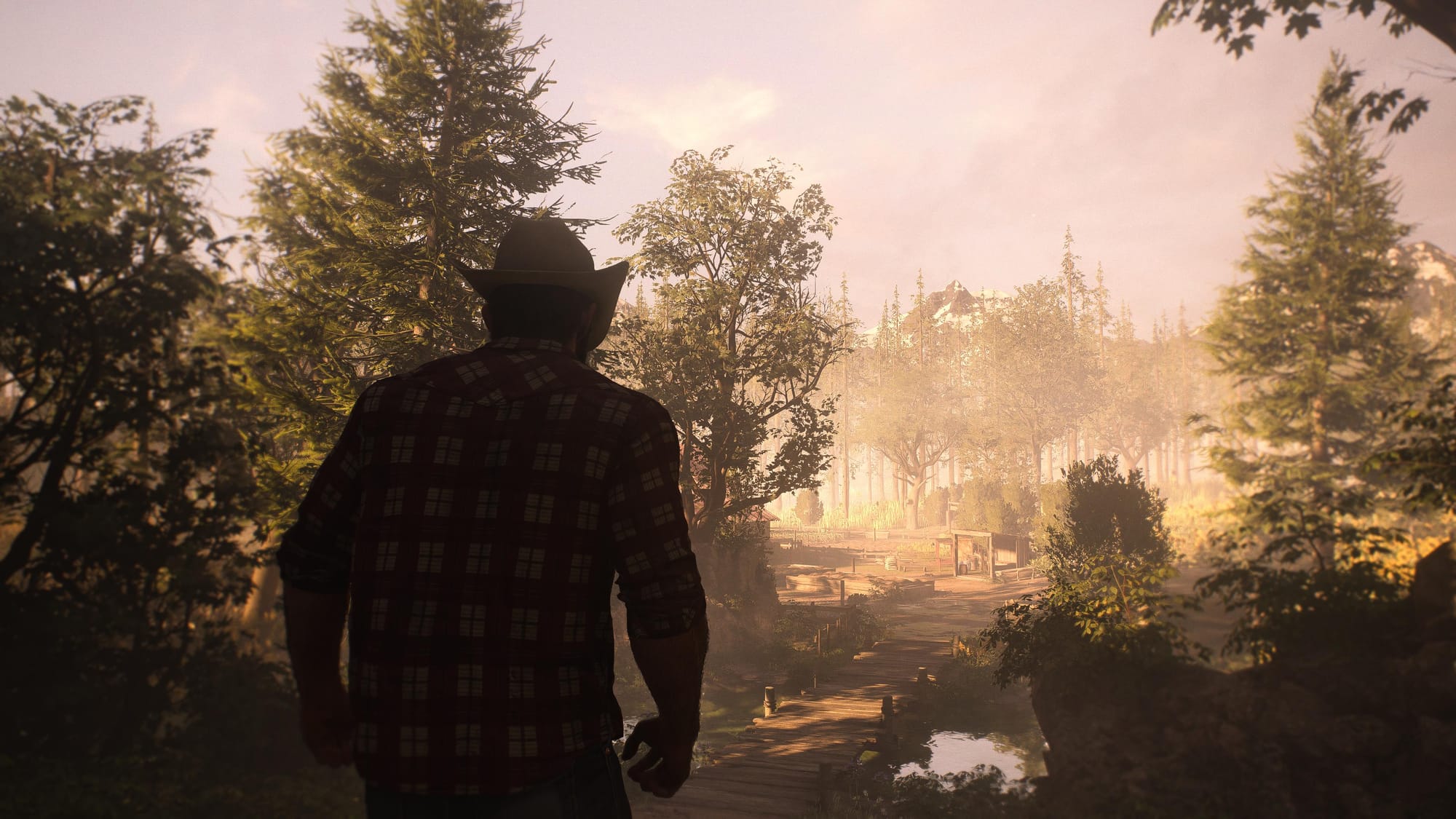
May 26, 2026, was supposed to mark one of the most significant days in interactive entertainment history. Grand Theft Auto VI, the next entry in the franchise that has defined open-world gaming for nearly three decades, was scheduled to launch. Instead, what arrived was silence — not a game, not an update, not a revised street date from Rockstar Games. Another missed deadline, another sigh from a fanbase that has learned to temper expectations whenever the words “Rockstar” and “release date” appear in the same sentence. For those watching the calendar, the day came and went without the only thing that mattered: a playable game.
The May 26 Promise That Wasn’t Kept
On May 2, 2025, Rockstar Games posted what should have been a triumphant announcement. Through an official tweet, the publisher declared that Grand Theft Auto VI was set to release on May 26, 2026. The post linked to further details and included an image, suggesting a polished marketing campaign was underway. For a full year, that date stood as the target. Fans planned around it. Industry analysts modeled earnings projections around it. Retailers lined up pre-order infrastructure around it. And when May 26, 2026, arrived, none of that infrastructure mattered, because Rockstar simply did not deliver. No statement, no apology, no explanation that same day. The silence spoke louder than any tweet ever could.
This pattern is not new. Rockstar Games has a well-documented history of announcing release dates it cannot hold. Grand Theft Auto V slipped from its original spring 2013 window to September 17 of that year. Red Dead Redemption 2 underwent multiple delays, moving from a planned 2017 release to an eventual October 26, 2018 launch date. Even the PC versions of Rockstar titles frequently arrive months or years after their console counterparts, despite initial promises of simultaneous launches. The Grand Theft Auto VI delay fits neatly into this historical trajectory, but that does not make it any less frustrating for a community that has now watched an entire year of anticipation dissolve without a single substantive update.
What the Missed Launch Means for the Industry
When the most anticipated video game in development misses its advertised release date, the repercussions extend far beyond disappointed fans. Publishers across the industry calibrate their own release schedules around major Rockstar launches, because a Grand Theft Auto title commands such a disproportionate share of consumer attention and spending that competing releases often move to avoid direct overlap. With GTA VI absent from the market, the entire second half of 2026 and early 2027 release calendar will need recalibration. Retailers who allocated significant shelf space and promotional budgets to the launch will absorb the costs of readjusting those plans. Investors who baked the May 26 date into their quarterly forecasts will revise their expectations. And the thousands of developers who worked toward that date inside Rockstar’s studios face the most difficult reality of all: the pressure of extending a grueling development cycle without a clear end in sight.
The absence of GTA VI on its announced date also reshapes the competitive landscape. Other open-world titles planned for a 2026 or 2027 release window now have an unexpected opportunity to capture attention that would otherwise belong to Rockstar. Studios that might have delayed their own projects to avoid competing with GTA VI no longer face that existential threat. The missed launch creates a vacuum, and the industry will rush to fill it. Whether any single title can fill that void is another question entirely, but the strategic calculus for every major publisher just changed materially.

Rockstar’s Silence and the Cost of Unreliability
The most damaging aspect of the May 26 non-launch may not be the delay itself, but the manner in which it was handled. Rockstar Games has not provided an updated release window, nor a candid explanation for what caused the miss. The company has not addressed whether the delay is measured in weeks, months, or years. That kind of opacity erodes trust in ways that compound over time. When a publisher as dominant as Rockstar fails to communicate transparently, it signals that the relationship with its audience is asymmetrical: the company expects patience, loyalty, and pre-order commitment, but offers no reciprocal accountability when it fails to deliver on its own stated promises.
Compare this approach to other major developers who have faced similar challenges. CD Projekt Red endured intense scrutiny after the troubled launch of Cyberpunk 2077, but the company eventually issued public apologies, outlined concrete fixes, and rebuilt its reputation through sustained transparency and consistent updates. Rockstar, by contrast, has a history of managing delays through radio silence. The company rarely explains why a game is late, and it almost never offers revised timelines until it is absolutely certain it can meet them. That strategy has worked for years because Rockstar’s games are good enough that fans forgive the wait. But each broken promise raises the cost of that forgiveness, and the May 26 failure is one of the most visible yet.
Why Grand Theft Auto VI Development Proved So Difficult
While Rockstar has not detailed the reasons for the delay, the challenges facing a project of this scale are not difficult to infer. Grand Theft Auto VI is widely believed to be set in a modern-day Vice City and surrounding areas, with a scope that aims to surpass every previous Rockstar title in terms of map size, narrative complexity, and systemic interactivity. The underlying technology required to render a living, breathing metropolitan environment at the fidelity audiences now expect is immense. The game must support a massive single-player campaign while also laying the groundwork for the online component that generates the bulk of Rockstar’s ongoing revenue. Balancing those two priorities within a single development pipeline is one of the hardest problems in game production.
Rockstar also faces the challenge of modernizing its internal culture. The company has been the subject of numerous reports detailing crunch, employee burnout, and high turnover across its studios. Delivering a game the size of GTA VI under humane working conditions is a genuine structural challenge. The industry has moved toward greater accountability around labor practices, and Rockstar cannot simply revert to the unsustainable development cycles that produced earlier titles. If the delay reflects a genuine effort to avoid the worst excesses of crunch, that is a defensible reason to miss a date. But again, without communication from the company, the public has no way to know whether the delay stems from technical hurdles, creative pivots, personnel challenges, or some combination of all three.
What Comes Next for the Most Anticipated Game in Development
The question on every observer’s mind is simple: when will Grand Theft Auto VI actually launch? Based on Rockstar’s historical patterns and the silence following the missed May 26 date, a revised release window of late 2027 or early 2028 is plausible, though no official information supports that estimate. The company will almost certainly not announce a new date until it is confident the game can ship. That may mean waiting another year or more for the next official word. In the interim, fans will parse every rumor, every job listing, every analyst report for clues about progress. The appetite for information is enormous, and the vacuum of official communication will be filled by speculation, leaks, and unofficial reporting.
For the broader gaming ecosystem, the delay creates an opportunity to focus on the titles that are actually available right now. The indie scene, in particular, stands to benefit from the absence of a dominant AAA release. Indies rarely have to compete directly with a GTA launch, and the window created by this delay gives smaller studios a better chance to find an audience. Events like the Shacknews E4 Indie Showcase 2026, which is set to present almost 30 indie games from around the world across a variety of genres, become more significant when the industry’s biggest release is not dominating every conversation. The attention vacuum will be filled by something, and the games that succeed in capturing that attention may be ones that would have been overlooked in a year with a GTA launch.
The Cultural Weight of a Missed Launch
Grand Theft Auto VI is not just another video game. It is a cultural event in waiting. The franchise has shaped how the medium approaches open-world design, narrative structure, and online monetization. It has influenced countless other games, films, and television series. The absence of a new entry for years on end creates a void that the entire entertainment industry feels. The missed May 26 date is not merely a scheduling problem; it is a moment that defines an era. When the game eventually arrives, it will be judged not only on its own merits but against the years of expectation, rumor, and speculation that preceded it. That is an almost impossible burden for any piece of art to bear, and the delay only intensifies that pressure.
For now, the gaming world moves on without Grand Theft Auto VI. Players will return to the games they already have. Developers will continue shipping their own projects. The industry will recalibrate around a launch that may still be years away. And Rockstar Games will eventually break its silence, likely with a new date and a renewed promise that this time, the wait will be worth it. Whether that promise holds is a question only time can answer. But one thing is clear: May 26, 2026, will be remembered as the day the most anticipated game of a generation failed to appear, and the silence that followed spoke volumes.