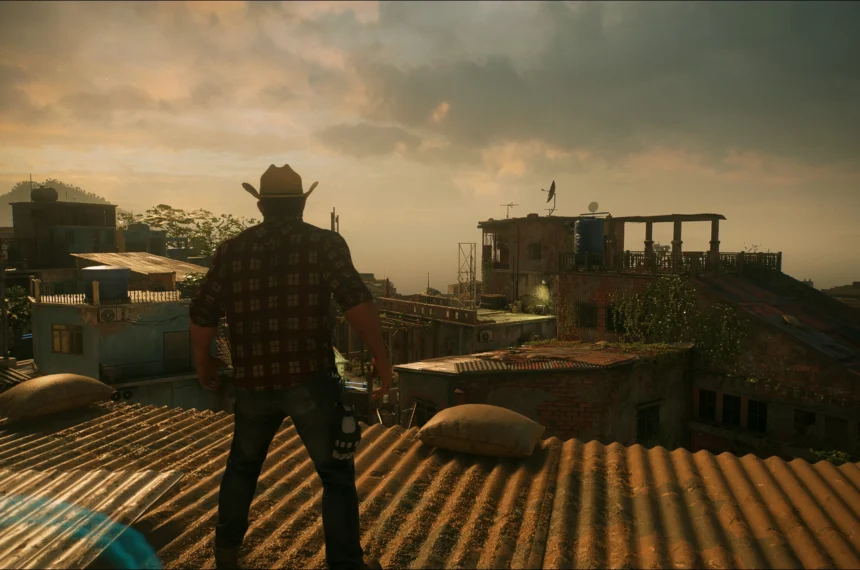
The financial narrative for Pearl Abyss has taken a dramatic turn in the weeks following the release of its flagship title, Crimson Desert. Initially met with a sharp sell-off triggered by mixed critical reviews, the company’s stock has not only recovered its losses but has now climbed to a value higher than it held before the game’s launch, signaling a powerful market validation driven by consumer demand over critical consensus.
Initial Reception and Market Volatility
The launch period for Crimson Desert was a study in contrasts. As the review embargo lifted, the critical response was decidedly split. Several outlets praised the game’s vast, meticulously crafted open world, the depth of its combat systems, and the sheer volume of activities available to players. The visual fidelity and scale of the project, long in development, were frequently highlighted as significant achievements for the South Korean studio.
The Critical Divide
Conversely, a substantial portion of reviewers pointed to significant flaws, including a narrative that was perceived as unfocused or inconsistent, alongside pacing issues and some technical bugs at launch. This division was crystallized in the game’s aggregate review scores, which settled at a respectable but not spectacular 77 on Metacritic and 81 on OpenCritic. For a title with such high expectations and a development cycle scrutinized for years, these scores were interpreted by the financial markets as a potential commercial risk.
The Immediate Financial Fallout
The market’s reaction was swift and severe. Concerned that mixed reviews would dampen sales and limit the game’s long-term profitability, investors began offloading Crimson Desert Sales Top 3 Million”>Pearl Abyss shares. In a matter of days, the stock price plummeted by approximately 30%, falling from around 65,500 Korean Won (KRW) to a low near 46,000 KRW. This steep decline reflected a palpable anxiety about whether Crimson Desert could recoup its substantial development costs and become a sustainable revenue stream.
The Turnaround Driven by Commercial Success
This bearish sentiment proved to be short-lived. The true test for any major video game release lies not in review scores alone, but in its ability to connect with a paying audience. Crimson Desert passed this test with flying colors, initiating a rapid reassessment of its value.
Strong Launch Sales Figures
Within the first five days of availability, Crimson Desert defied the nervous market forecasts by selling an estimated 3 million copies across PC, PlayStation 5, and Xbox Series X|S platforms. This figure immediately signaled that player interest far exceeded the cautious tone of some critics. The sales momentum continued, with subsequent reports suggesting the total has since climbed toward 5 million units. This commercial strength demonstrated the powerful draw of a large-scale, open-world fantasy RPG and the dedicated fanbase Pearl Abyss has cultivated through its previous work on the Black Desert Online franchise.
Post-Launch Support and Player Engagement
The positive trajectory was further bolstered by Pearl Abyss’s commitment to post-launch support. A series of updates aimed at addressing performance issues, refining gameplay balance, and adding quality-of-life improvements helped improve the overall player experience. This active development, coupled with strong word-of-mouth from the community, sustained engagement levels. The game recently registered a new peak for concurrent players on Steam, a clear indicator that interest remained high well beyond the initial launch window and that the title was building a lasting player base.
The Stock Market Recovery and New Highs
The combination of robust sales and healthy player retention metrics directly translated into renewed investor confidence. The stock’s recovery was as decisive as its initial fall.
Recapturing Lost Value
As sales data became public and the narrative shifted from critical reviews to commercial performance, Pearl Abyss shares began a steady climb. They quickly recouped the 30% loss, returning to the pre-launch price point. However, the rally did not stop there. By late March, the stock had surged past its previous high, reaching approximately 70,200 KRW—a level not seen since 2022. This milestone is particularly significant; it proves that the market now values Pearl Abyss more highly *after* the release and proven success of Crimson Desert than it did during the anticipatory period leading up to it.
Analysis of Market Sentiment Shift
This financial rebound underscores a fundamental principle in the gaming industry: while critical acclaim is valuable, sustained commercial performance is paramount. The market initially priced in the risk of the mixed reviews but was forced to recalibrate based on hard sales data and player engagement metrics. The episode highlights how investor sentiment in the video game sector can be highly reactive to short-term news cycles but ultimately corrects itself based on long-term commercial indicators. For Pearl Abyss, the successful launch de-risked the company’s financial outlook and validated its capacity to deliver and monetize a major AAA project.
Broader Implications for the Gaming Industry
The Crimson Desert story offers several key takeaways for developers, publishers, and investors alike. It serves as a potent case study in the sometimes-divergent paths of critical reception and market success.
The Divergence Between Critique and Commerce
This is not the first time a game has faced divided critics yet found massive commercial success. The phenomenon reiterates that the tastes of core gaming audiences do not always align perfectly with critical frameworks. Elements that reviewers might find fault with, such as a complex or meandering narrative, can be exactly what a dedicated segment of players desires in a deep, immersive role-playing experience. The financial markets, which initially sided with the critical uncertainty, learned to follow the money—and the players.
The Importance of Post-Launch Lifecycles
The ongoing updates and strong concurrent player numbers for Crimson Desert emphasize the modern reality that a game’s launch is merely the beginning. A live-service mentality, even for primarily single-player experiences, is crucial for maintaining positive sentiment and driving long-term revenue through expansions, microtransactions, or simply sustaining a community that attracts new buyers. Pearl Abyss’s attentive post-launch strategy was a key factor in stabilizing and then boosting the game’s reputation, which in turn supported the stock’s recovery.
Future Outlook for Pearl Abyss
With Crimson Desert now established as a commercial hit, Pearl Abyss has solidified its position as a major player in the global AAA landscape beyond Black Desert Online. The restored and increased shareholder value provides the company with greater financial stability and leverage for future projects. It validates the studio’s ambitious vision and potentially paves the way for expanded development of the Crimson Desert IP through planned expansions or sequels. The market’s vote of confidence is a powerful asset as the company looks to its next ventures.
The journey of Pearl Abyss’s stock, from pre-launch anticipation to post-review panic and ultimately to a new peak on the back of undeniable sales success, charts a classic story of market correction. It demonstrates that in the dynamic video game industry, while the voice of critics is influential, the ultimate verdict—and the most impactful one for a company’s bottom line—is delivered by players logging in and investing their time and money into a virtual world.