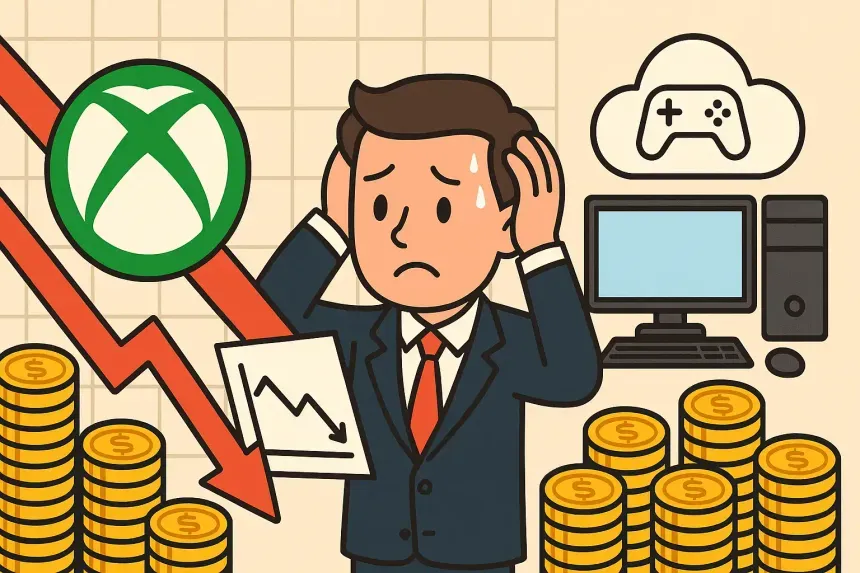
In a startling revelation from recent financial disclosures, Xbox revenue has plummeted, with Microsoft’s CFO Amy Hood pointing to the company’s own first-party lineup as the primary culprit. This decline sparks urgent discussions about the brand’s direction leading up to 2026, yet it’s not all bleak—PC and cloud gaming segments are experiencing a notable uptick. As the gaming landscape evolves, understanding these shifts is crucial for stakeholders and enthusiasts alike, highlighting the delicate balance between console exclusives and broader platform strategies.

The Sharp Drop in Xbox Revenue
Microsoft’s latest earnings report shows a significant downturn in Xbox-related income, marking a concerning trend for the iconic brand. This revenue decline stems from weaker-than-expected sales in hardware and content, particularly affecting the console market. Industry analysts are closely watching these numbers, as they could signal a broader shift in consumer preferences. The data underscores the need for Microsoft to reassess its approach to maintain competitiveness.
Several factors contribute to this slump, including increased competition from rivals like Sony’s PlayStation and Nintendo’s Switch. Additionally, global economic pressures have led to reduced discretionary spending on gaming. However, the internal focus on first-party content shortcomings adds a unique layer to this challenge. Moving forward, addressing these issues will be key to reversing the trend.
First-Party Content: The Unexpected Weakness
Amy Hood’s attribution of the revenue drop to first-party content highlights a critical vulnerability in Microsoft’s strategy. First-party games, which are titles developed or published directly by Microsoft, have failed to meet expectations in terms of quality and release timing. This has eroded consumer confidence and impacted software sales. The reliance on these exclusives as a driver for console adoption is now under scrutiny.
Recent releases from Microsoft’s studios have faced delays and mixed reviews, compounding the problem. For instance, highly anticipated games have struggled to capture the market’s imagination compared to competitors’ hits. This underperformance not only affects immediate revenue but also damages the long-term ecosystem built around Xbox. As we delve deeper, it’s clear that innovation and execution in first-party offerings need a revamp.
Analyzing Key First-Party Releases
Title-specific analyses reveal that games like recent entries in flagship franchises have not delivered the expected commercial success. Bugs, lack of innovation, and poor marketing have been cited as contributing factors. Comparing these to successful third-party titles on Xbox shows a gap in engagement and sales. This disparity emphasizes the need for Microsoft to invest more in quality assurance and creative development.
Moreover, the timing of releases has been problematic, with gaps between major launches leading to player attrition. A consistent pipeline of compelling content is essential for retaining a loyal user base. Learning from these missteps can help Microsoft plan better for future cycles. Ultimately, first-party games should serve as pillars of strength, not points of failure.
Consumer Reactions and Market Impact
Gamers have expressed disappointment on social media and forums, citing a lack of must-play exclusives on Xbox compared to other platforms. This sentiment is reflected in lower pre-order numbers and reduced engagement metrics. The market impact extends beyond sales, influencing brand perception and investor confidence. Addressing these concerns requires transparent communication and swift action from Microsoft.
Surveys indicate that many players are shifting their attention to multi-platform or PC gaming options where content is more abundant. This trend threatens the core Xbox community, which has historically been console-centric. By listening to feedback, Microsoft can realign its first-party strategy to better meet consumer demands. The goal should be to rebuild trust through deliverable promises.
The Rise of PC and Cloud Gaming
Amid the console revenue decline, PC and cloud gaming are shining as bright spots in Microsoft’s portfolio. Revenue from these segments has increased, driven by the popularity of services like Xbox Game Pass and cloud-based play. This growth reflects a broader industry movement towards accessibility and flexibility. Cloud gaming, in particular, allows players to enjoy games without high-end hardware, expanding the audience.
Microsoft’s investments in cloud infrastructure, such as Azure, are paying off by enabling seamless gaming experiences across devices. The integration of PC gaming with console ecosystems through cross-play and shared libraries enhances user retention. This multi-platform approach could be a blueprint for future success. As we explore this upward trend, it’s evident that diversification is a smart strategy.
Why PC Gaming Is Thriving
PC gaming benefits from a vast library of titles, modding communities, and hardware customization, attracting a dedicated fanbase. Microsoft’s support for PC versions of Xbox games, including day-one releases on Game Pass, has boosted engagement. The flexibility of PC platforms appeals to gamers who value performance and choice. This segment’s resilience during economic downturns highlights its stability.
Additionally, esports and streaming culture are heavily centered on PC, driving continuous interest. Microsoft’s acquisition of studios with strong PC pedigrees, like those behind popular franchises, strengthens this area. By leveraging these advantages, the company can offset console weaknesses. The key is to maintain this momentum while addressing broader challenges.
The Cloud Gaming Revolution
Cloud gaming is transforming how people access games, offering instant play without downloads or installations. Services like Xbox Cloud Gaming have seen subscriber growth, thanks to improved technology and broader device compatibility. This model reduces barriers for casual gamers and those in regions with limited hardware access. Microsoft’s early adoption positions it well in this evolving market.
However, challenges such as latency and internet dependency remain, requiring ongoing innovation. Partnerships with telecom companies and advancements in 5G could mitigate these issues. As cloud gaming matures, it may become a primary revenue stream. Embracing this revolution could redefine Microsoft’s gaming identity beyond traditional consoles.
Looking Ahead to 2026: Challenges and Opportunities
The road to 2026 presents both hurdles and potential wins for Microsoft. The decline in Xbox revenue raises tough questions about the viability of current first-party strategies. Key decisions on game development, marketing, and platform integration will shape the outcome. Analysts predict that without changes, the brand could face further erosion, but adaptive measures offer a path to recovery.
Opportunities lie in leveraging the growth of PC and cloud gaming to create a cohesive ecosystem. Microsoft might focus on exclusive content that bridges platforms, enhancing the value of Game Pass. Learning from competitors’ successes, such as timely releases and community engagement, can inform better practices. The next few years will be a test of agility and vision.
Strategic Shifts for Microsoft
Potential strategies include accelerating first-party game development with clearer roadmaps and quality benchmarks. Investing in indie studios or acquisitions could diversify the content portfolio. Emphasizing cross-platform features might attract a broader audience, reducing reliance on console sales. Transparency with fans about delays and improvements can rebuild goodwill.
Financially, reallocating resources from underperforming areas to high-growth segments like cloud services makes sense. Partnerships with third-party developers for exclusive deals could also boost content variety. By 2026, a balanced approach that prioritizes player satisfaction over hardware metrics may yield better results. The focus should be on sustainable growth rather than short-term fixes.
Implications for the Gaming Industry
Microsoft’s situation reflects broader industry trends, where platform holders must adapt to changing consumer behaviors. The rise of subscription models and cloud tech is reshaping revenue streams. Other companies may face similar challenges with exclusives, prompting industry-wide innovations. This could lead to more collaborative efforts between platforms.
For gamers, these shifts mean more choices and potentially lower costs, but also concerns about content quality. The industry’s evolution towards service-based models emphasizes the need for reliable, engaging experiences. By watching Microsoft’s moves, stakeholders can anticipate future directions. Adapting proactively will be essential for survival in a dynamic market.
Actionable Insights for Stakeholders
For gamers, this is a time to explore multi-platform options and subscription services like Game Pass to maximize value. Keeping an eye on Microsoft’s updates on first-party games can help make informed decisions about investments. Engaging with community feedback channels may influence development priorities, ensuring voices are heard.
Investors should monitor Microsoft’s quarterly reports for signs of strategic adjustments, particularly in PC and cloud segments. Diversifying portfolios to include gaming tech and cloud infrastructure could hedge against console volatility. Supporting companies that prioritize innovation in content delivery may offer long-term gains. Staying informed enables smarter, forward-looking choices.
Microsoft’s journey through this revenue challenge underscores the importance of agility in the gaming world. By learning from missteps and capitalizing on strengths, the brand can navigate towards a brighter 2026. Gamers and partners alike have a role in shaping this future through engagement and feedback, turning current obstacles into opportunities for growth.