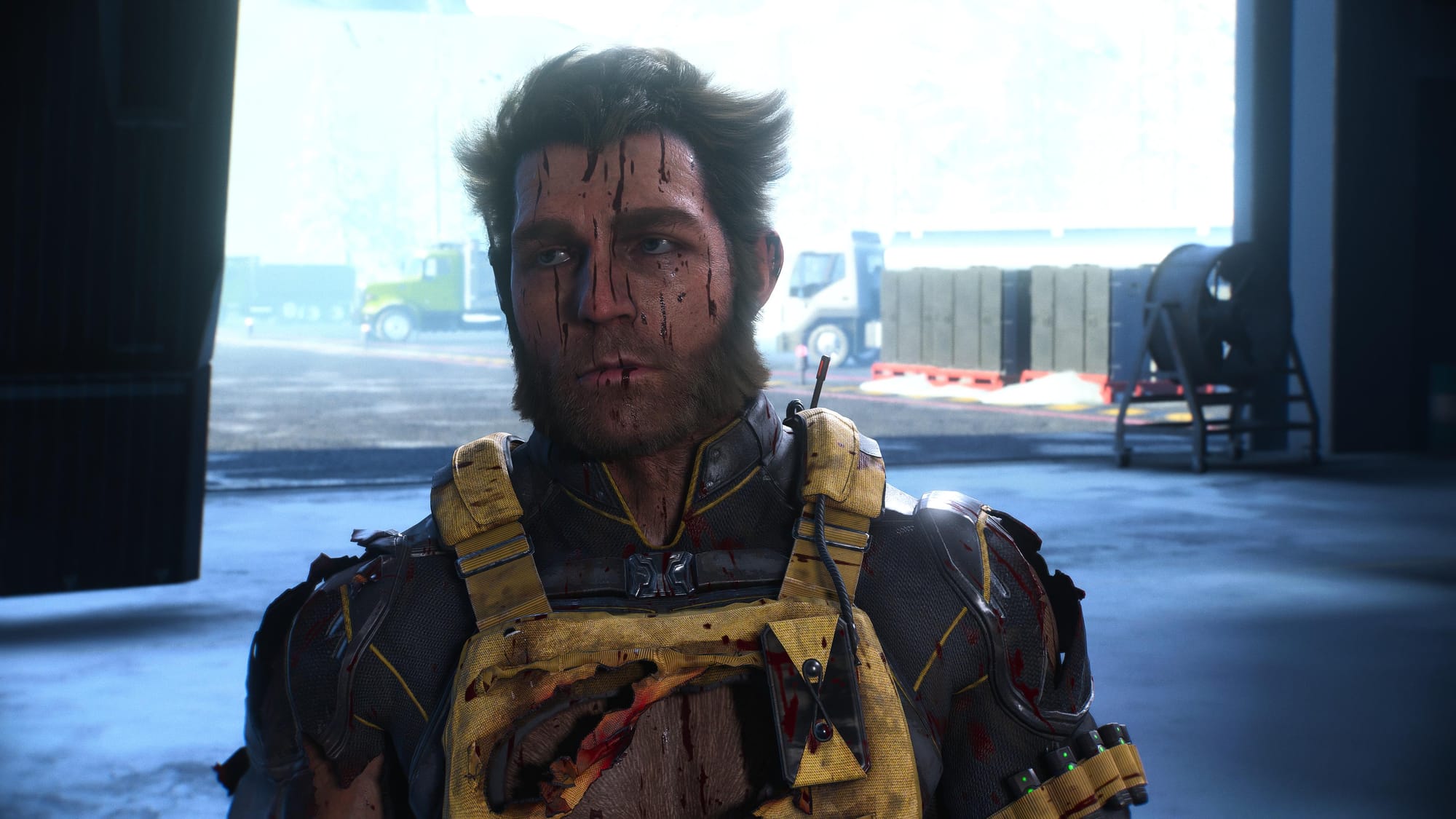
You’ve got a ticking clock, a family to save, and a world full of distractions. That’s the setup for The Blood of Dawnwalker, the dark fantasy open-world action RPG from Rebel Wolves. And for most games, that setup would be a lie. You’d rescue your loved ones, sure, but only after you’d cleared every bandit camp, collected every herb, and completed every irrelevant fetch quest. Not here. The time mechanic in The Blood of Dawnwalker isn’t cosmetic. It fundamentally changes how side quests work—turns them from optional padding into the actual narrative. Every quest is your main quest. That’s not marketing hype; it’s a design philosophy that forces you to treat side content with the same weight you’d give the critical path. And that is the right call.
Let me explain why this is the most defensible approach for an RPG that claims to care about consequence, and why the loudest complaint against it—that time pressure ruins exploration—misses the point entirely.
Every Quest Is Your Main Quest
The developers have been blunt: in The Blood of Dawnwalker, there is no distinction between side content and story content. The Portuguese video transcript clarifies it directly—cada quest é side quest, cada quest é tua quest principal—every quest is a side quest, every quest is your main quest. That’s not a clever tagline. It’s a structural commitment.
Here’s how it works. You play as Coen, a dawnwalker—a human-vampire hybrid—who has a limited window to save his family from the vampire lord Brencis. That window is measured in in-game days. Every activity you do consumes time. A rescue mission for a trapped villager might take an afternoon. Exploring a hidden ruin might eat a full day. Helping a witch brew a potion? That could cost you hours you don’t have. Since the game locks regional difficulty based on when you first enter an area, the order you tackle these quests also determines how hard they become.
The result: there is no “I’ll do that later.” Later might not exist. Every side quest becomes a trade-off against your primary goal. You are constantly making a choice that matters. The developers at Rebel Wolves designed the game around this tension—internal testing showed a 50-to-70-hour playthrough for a comprehensive run, but you cannot see everything in one go. Multiple playthroughs are required to experience every possibility in Veil Sangora. That’s not a flaw. That’s the point.

Why That Changes Everything About Side Content
Most open-world games suffer from the “too much to do, none of it urgent” problem. You’re told the world is ending, but you can spend forty hours fishing. The Blood of Dawnwalker sidesteps that completely.
Because time is finite, side quests can’t be filler. The designers had to make every piece of optional content feel necessary—or at least tempting enough to risk your main goal. That forces better writing, tighter level design, and genuine rewards. You aren’t clearing a cave for a generic treasure chest; you’re doing it because a dying man’s last request might unlock a new hex you need to survive the final confrontation with Brencis. Or maybe it just gives you a better sword. But you won’t know until you invest the time.
And because the difficulty is locked when you enter a region, early choices have lasting impact. If you spend your first week helping villagers instead of storming the vampire’s castle, those villagers might offer you a safe house later. But Brencis’s forces get stronger. The game tracks that. There’s a genuine cost to being a good person.
The combat system supports this urgency. You have Omniblock and Omniattack for directional fighting—but you can also disable it for a traditional action-RPG combat style. The developers made that optional, so you choose the difficulty of the moment-to-moment fights, but you can’t choose to have more time. That’s the single resource you cannot grind.
Dynamic weather affects visibility and gameplay, not just visuals. Fog changes enemy detection ranges, rain affects movement. You might waste half a day waiting for a storm to pass—or use it as cover. The environment is another timer.
And there are no mini-games. No fishing, no gwent, no dice. Every single activity is either advancing the plot or developing your character. The stakes are too high for Coen to waste time on leisure. That’s a design choice I fully endorse. Mini-games are what kill pacing in other narrative-focused RPGs. Here, every minute spent outside combat or exploration is a minute you could have used to save someone.
The Counterargument: Does Time Pressure Ruin Exploration?
Look, I hear the objection. It’s the strongest one. A time limit creates anxiety. It punishes completionists. It turns exploration from a joy into a chore. You feel rushed, and that kills immersion. Why give players a beautiful open world if you’re going to pressure them to skip half of it?
I get it. I’ve played games where a countdown made me resent the content I was forced to skip. Dead Rising comes to mind—a brilliant game that some players never finished because the clock felt oppressive.
But that’s a false equivalence. The Blood of Dawnwalker isn’t Dead Rising. It doesn’t say “you have 72 hours real-time and if you fail the game ends.” The time mechanic here is narrative-driven and playthrough-aware. You can manual save at any point. The developers encourage you to roll with consequences, but they also give you a safety net. If a bad choice derails a story you were invested in, manual saves let you reload.
And more importantly—the game expects multiple playthroughs. The 50-to-70-hour estimate is for a thorough single run, but you cannot see everything. That’s by design. The replay value is built into the structure. Your first playthrough is meant to be incomplete. You’re supposed to miss content. That creates a sense of discovery on subsequent runs.

The time pressure isn’t arbitrary. It’s calibrated to make you feel the weight of your decisions. If you could do everything, every choice would be meaningless. The clock forces you to prioritize, to roleplay a specific character—the one who saves strangers, or the one who cuts losses and goes straight for the target. That’s what makes the RPG work.
Plus, the adjustable difficulty settings and accessibility options mean you can tweak combat to reduce frustration. You can’t tweak away the time limit, but you don’t need to. The time limit is not the enemy. It’s the mechanism that turns a generic fantasy world into a personal tragedy.
How Rebel Wolves Designed Around the Anxiety
The developers aren’t sadists. They know a strict timer can backfire. That’s why they built systems that give you control within the constraint.
Locked regional difficulties are the key example. When you enter a region, its difficulty locks based on your current level. That means you can’t overlevel an area by grinding elsewhere and coming back later—but it also means you can tackle zones in any order without being permanently locked out. The ceiling is set when you arrive. So if you visit a high-level zone early, it’s hard—but beatable with skill. If you wait, it’s still hard because you weren’t grinding mindlessly. The challenge stays consistent relative to your progression. That removes the need to “complete” one area before moving to the next.
The manual save option is another relief valve. Want to try a dangerous side quest that might eat two days? Save first. If it goes poorly, you can roll back. That might feel like cheating, but the alternative is save-scumming through dialogue options. At least this way, you can experiment without permanently wrecking a 60-hour run.
The quality-of-life features mentioned in the English video include pausing gameplay mid-action. You can stop time (the real-time kind, not the in-game clock) to compose yourself. That’s a small mercy.
And the game is structured so that main story progress and side content are interwoven. Storming Brencis’s castle is something you can do right after the prologue. The developers said defeating him as a freshly made dawnwalker would be a “feat worthy of legends.” It’s possible. But likely suicidal. That’s the ultimate expression of player freedom: you could ignore every side quest and sprint to the final boss. But you’d probably lose.
The Real Cost of Wasting Time (and Why You Should)
So what happens if you ignore the main story entirely and just do side quests? You run out of time. The vampire Brencis wins. Your family dies. The game ends.
But here’s the twist: that’s a valid ending. The developers likely designed failure states as narrative content. You can play a character who cares too much about strangers and loses everything. That’s not a failure of the time mechanic—it’s the mechanic working as intended.
The cost makes side quests matter. Without a cost, they’re just checklists. With a cost, they become emotional investments. You’ll remember the quest you didn’t take more vividly than the one you did. That’s the secret to memorable RPG storytelling.

And because every quest is a time decision, the game naturally encourages replay. On your second run, you skip a side quest you did before—and discover a different outcome. The world reacts differently because you act differently.
The lack of mini-games means no filler. You’re not wasting time on distraction; you’re spending it on content that changes the story. That’s the difference between The Blood of Dawnwalker and games that pad runtime with collectibles.
Practical Strategies for Your First Playthrough
If you want to maximize your experience without hating the clock, here’s what I recommend.
First, accept that you will miss things. You cannot save everyone. You cannot explore every cave. That’s fine. The game is built for multiple runs. Treat your first playthrough as your “gut instinct” play. Make the choices you’d make without meta-knowledge.
Second, use manual saves before committing to any quest that sounds time-intensive. The video mentions you can pause gameplay and save anytime. Use that. It’s not cheating; it’s insurance.
Third, pay attention to the weather. Dynamic weather affects gameplay—fog reduces visibility, rain changes noise. If you’re planning a stealth approach, wait for a storm. But that burns time. Weigh the trade-off.
Fourth, prioritize quests that align with your build. If you’re relying on hexes that require blood, invest in quests that involve witchcraft. The game lets you learn dark secrets—speak with the dead, traverse the astral plane, cast blood hexes. Those abilities are tied to side content. Find them early.
Fifth, remember that you can storm the castle at any time. If you feel the pressure is too much, you can end it. The game gives you that exit. Sometimes the best play is to accept an imperfect ending and start a new run with better knowledge.
The One Scenario Where This Advice Fails
There is one type of player who will hate this time mechanic, no matter how elegantly it’s designed. The compulsive completionist—the person who cannot rest until every map marker is cleared, every NPC’s dialogue is exhausted, every chest is looted. For that player, The Blood of Dawnwalker will feel like a straitjacket. The time limit creates anxiety that overrides enjoyment. The inability to 100% a region before moving on feels like failure.
To that player, I say: this game is not for you. And that’s okay. Not every RPG needs to cater to the completionist impulse. Rebel Wolves made a deliberate choice to prioritize narrative weight over completion freedom. If your brain demands 100% completion before moving to the next area, you will struggle. But the alternative—an open world with no consequence—would betray the story. The time mechanic is the game’s central argument: that loss is part of the story. Some players will reject that. They’ll mod the time limit out or wait for a “no timer” mode. That’s their prerogative. But they will lose what makes The Blood of Dawnwalker special: the pressure that turns side quests into the main event.