The Nintendo Switch ecosystem continues to prove fertile ground for narrative-driven mystery games, offering a diverse library beyond the perennial Ace Attorney series. Aksys Games’ latest release, Path of Mystery: A Brush with Death, emerges as a compelling addition to this genre, blending a classic cold-case investigation with supernatural mechanics and a distinct visual flair. Developed by Imagineer and Toybox, the game leverages point-and-click adventure fundamentals within a visual novel framework, resulting in an experience that feels both familiar and novel for fans of detective stories.
A Cinematic Approach to Visual Novel Presentation
Where many visual novels rely on static character portraits and backgrounds, Path of Mystery: A Brush with Death immediately establishes a more dynamic and cinematic aesthetic. The game employs varied camera perspectives, strategic zooming on key subjects, and layered positioning of characters during dialogue sequences. This creates a sense of depth and engagement often absent in traditional presentations. Even simple scenes, like the introductory tutorial case on a train, benefit from moving backgrounds visible through windows, subtly reinforcing the game’s world as a living, breathing space rather than a static stage.
The art direction extends to character expressions, which are numerous and context-sensitive, allowing the narrative’s emotional beats to be visually underscored. This heightened production value serves a dual purpose: it immerses the player in the investigation’s atmosphere and distinguishes the game from its peers on a technical level. For a genre sometimes criticized for repetitive visuals, this cinematic ambition marks a significant step forward.
The Core Mechanics: Retrocognition and Point-and-Click Deduction
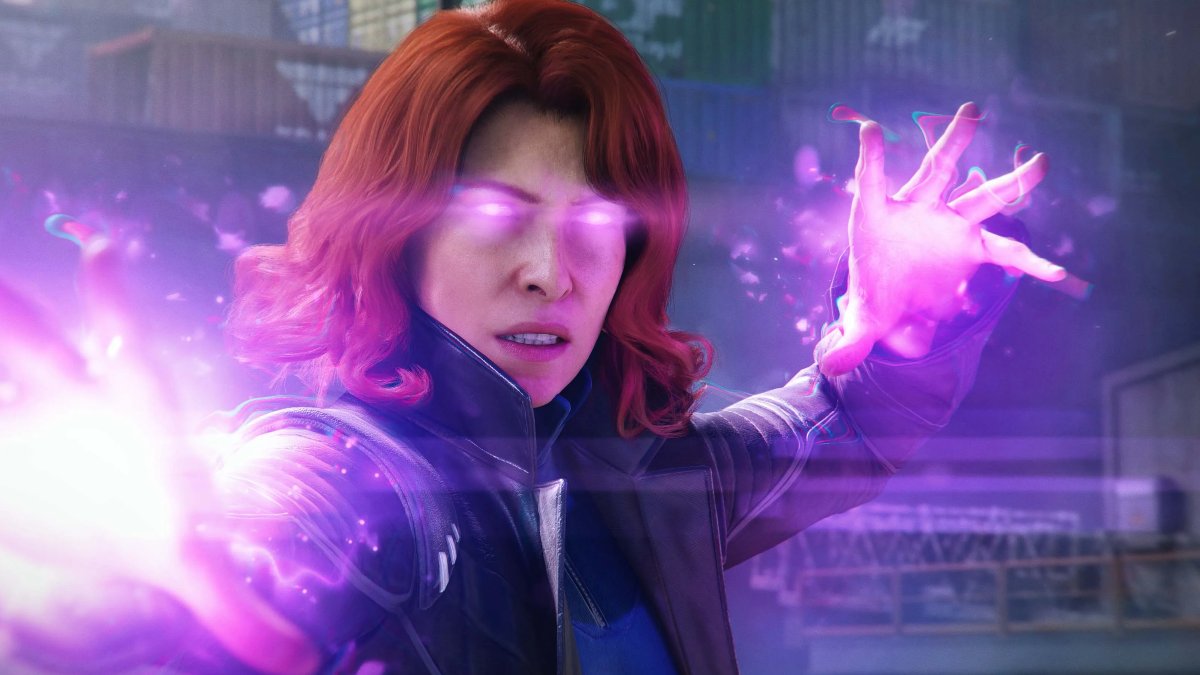
The narrative follows Doppo Akazawa, a member of Teito University’s Mystery Research Club, who travels to the village of Narumizawa with his fellow club members. Their objective is a training camp focused on the Sanmei Incident—the unsolved murder of artist Suiryu Uchida, for which his wife was officially blamed. Doppo possesses a unique ability: retrocognition. Following an incident two years prior, he can perceive a purple haze around certain objects, signaling an opportunity to peer into the past associated with them.
Investigating the Past
When retrocognition triggers, the game shifts to a menu-based interface within a pixelated, low-resolution rendition of a past scene. Players are given a limited number of actions—such as “investigate,” “take,” or “talk”—to explore this frozen moment in time. This limitation injects a sense of urgency and strategic thinking into the exploration, forcing players to prioritize which clues might be most vital. The visual contrast between the crisp, detailed present and the fuzzy, muted past is stark and intentional, clearly demarcating the two temporal planes of investigation.

Solving in the Present
After gathering clues from the past, players return to the present-day environment, which is explored using standard point-and-click mechanics. Here, the deductions must be made. Players analyze the collected information, present assertions, and logically piece together the truth to progress. This dual-phase structure—gathering raw data from the past and then applying logic in the present—creates a satisfying investigative loop that mirrors real detective work: uncovering evidence and then interpreting it.
Balancing Tone Between Gravity and Levity
Path of Mystery: A Brush with Death adeptly navigates a range of emotional tones. The central Sanmei Incident and related family histories for Doppo and the Uchidas are treated with appropriate seriousness and dramatic weight. These segments drive the core narrative and provide the stakes necessary for a compelling mystery.
Conversely, the game does not shy away from comedy. Characters like Kagero Tono and Kotaro Izawa are often deployed in lighter, sillier scenes that provide relief from the heavier subject matter. This balance prevents the narrative from becoming overly grim or monotonous, making the overall experience more engaging and reminiscent of the tonal shifts found in series like Ace Attorney, where absurd humor often punctuates dire situations.
Supplementary Content and World Building
Beyond the main investigation, the game incorporates optional activities that enrich the player’s connection to Narumizawa. One such feature is the collection of keychains, earned by thoroughly exploring the village and interacting with its inhabitants. This simple reward system encourages players to engage with the environment beyond the critical path, fostering a deeper sense of place.
Additionally, Path of Mystery: A Brush with Death includes retro-style arcade minigames inspired by classics like Heiankyo Alien/Digger and Asteroids. While these diversions are not central to the experience, they serve as pleasant, optional time sinks that add variety to the gameplay package. They reflect a design philosophy that values player engagement beyond the primary narrative, offering brief respites from deduction and dialogue.
A Standout Entry in the Switch Mystery Library
The success of Path of Mystery: A Brush with Death lies in its synthesis of strong presentation, innovative mechanics, and well-managed narrative tone. Its cinematic visuals set a new benchmark for the genre on the platform, while the retrocognition mechanic provides a fresh twist on the investigation process. The game’s ability to oscillate between drama and comedy ensures it remains accessible and entertaining throughout its runtime.
For players who have enjoyed the logical puzzles and character-driven stories of the Ace Attorney series, this title offers a similarly satisfying experience with its own unique supernatural layer. It demonstrates that the market for mystery games on the Switch is not only sustained by major franchises but also enriched by thoughtful, well-executed newcomers. As the library of narrative puzzle games grows, Path of Mystery: A Brush with Death stands as evidence that innovation within familiar frameworks can yield standout results worthy of broader discussion and recognition.