Most open-world RPGs lie to you. They dangle a “you can go anywhere” sign while secretly locking half the map behind enemy levels or story gates. The Blood of Dawnwalker flips that script — but not the way you think. Every quest is a main quest. Time is finite. Your family is dying, and Brencis isn’t waiting. The intuitive move? Sprint through the critical path, grab what’s obvious, and pray you outrun the consequences.
That instinct will cost you the best gear in Veil Sangora.
Here’s the truth nobody tells you in the opening hours: The Blood of Dawnwalker is designed to punish rushers and reward diggers. The time mechanic doesn’t limit exploration — it curates it. Players who understand this don’t just survive the 50-to-70-hour playthrough. They dominate it. They find the hexes that let them speak with the dead. They unlock the blood magic that turns the astral plane into a loot corridor. They walk out of side dungeons with gear that makes the final confrontation with Brencis feel less like a nightmare and more like an execution.
Why the Clock is Your Best Loot-Finding Tool
The panic is understandable. Rebel Wolves built a game where every choice has weight, where ignoring one quest for another means real, tangible loss. Your loved ones aren’t static quest markers — they’re living characters with their own timers. Most players interpret this as a mandate to move fast.
Wrong read.

Think about it structurally. The developers locked regional difficulties so that when you enter a zone, its challenge ceiling freezes to your current level. That means you can explore Veil Sangora on your terms without ever hitting a “come back later” wall. The game explicitly tells you: “Storm Bren’s castle right after the prologue — but that feat would be legend-worthy.” That’s not a warning. That’s an invitation to understand the map first.
The time pressure is a narrative trick. It makes you feel like you’re racing. But the mechanical reality is that thorough exploration pays off in ways that speed never does. Every corner of Veil Sangora holds potential gear upgrades, lore nuggets that unlock dialogue options, and crafting materials that make later fights manageable. The players who finish in the lower end of that 50-hour range? They’re the ones who miss half the content. The ones pushing 70? They’re looting smarter, not slower.
The Astral Plane is Your Shopping Mall
Blood magic isn’t just combat utility. The ability to spend your own blood to cast hexes opens traversal paths that melee builds can’t touch. The footage shows Coen speaking with the dead — that’s not flavor text. That’s a loot-finding mechanic disguised as a storytelling tool. Dead NPCs in Veil Sangora hold location-specific knowledge. They tell you where their treasure was hidden, which chests are trapped, which walls conceal false passages.
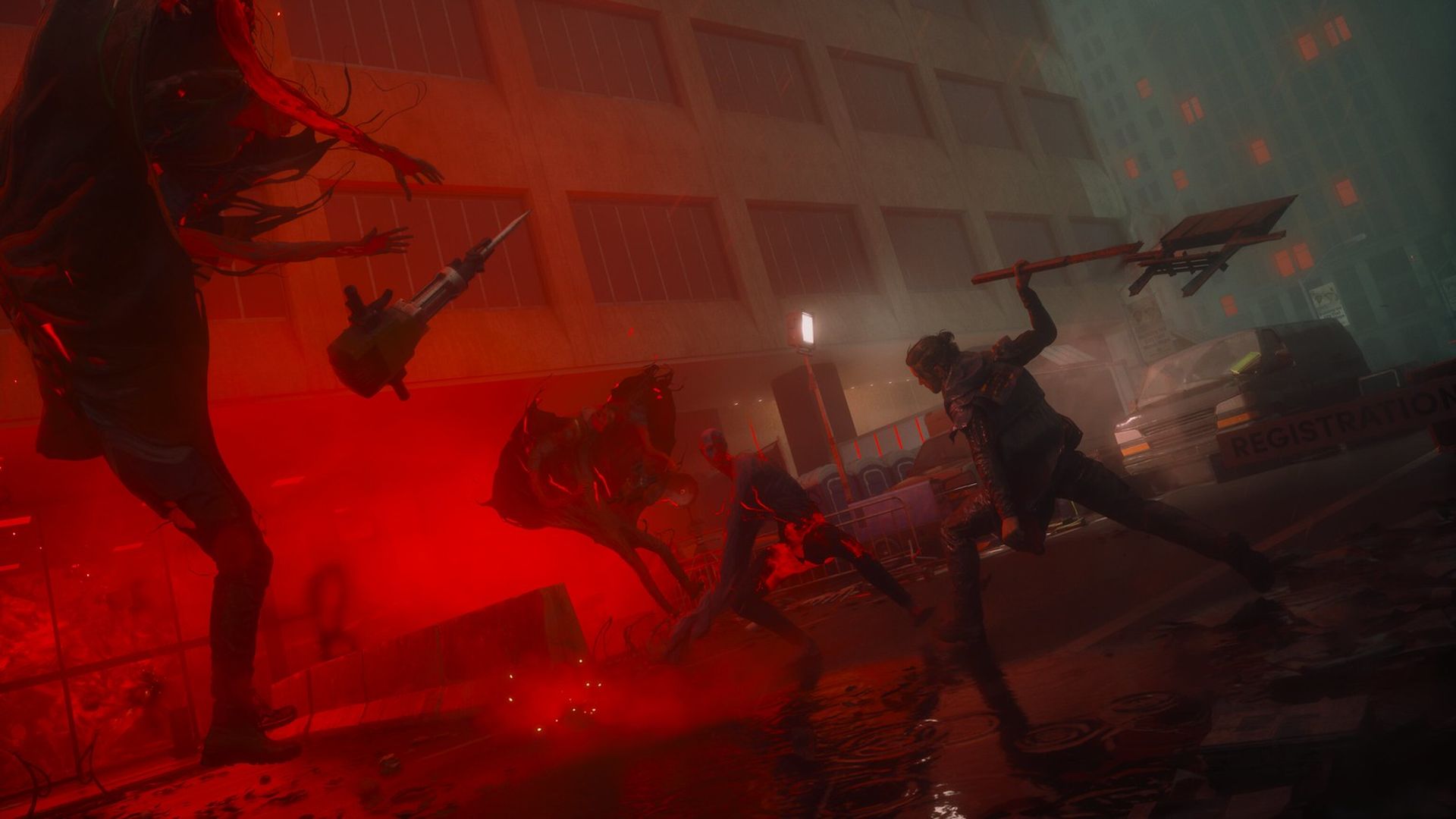
The astral plane traversal is even more direct. When you phase out of the material world, geometry changes. Walls drop. Platforms appear. Normal spaces become loot corridors. The developers confirmed you can brave the astral plane to bring pain to enemies, but what they aren’t shouting from the rooftops is that some of the best gear in the game exists exclusively in that phased state. You cannot find it walking around as a normal human. You have to bleed for it — literally.
Here’s the practical tip most guides miss: your blood pool regenerates when you return to human form. So the optimal loop is human → cast hex to identify loot locations → return to human → plan your route → transform again to access the astral plane route → grab everything → revert. Don’t waste your blood meter on random exploration. Use it as a targeted reconnaissance tool.
Weather is a Loot Filter
Dynamic weather in most games is cosmetic. Rain falls. Fog rolls in. Trees sway. Nobody cares.
In Dawnwalker, fog directly affects visibility for both Coen and his enemies. That’s already confirmed. But the deeper implication is that certain loot stashes only appear, or are only accessible, under specific weather conditions. The developers showed fog affecting line-of-sight. Extrapolate from there. If the weather system alters what you can see, it also alters what you can find.
The strategy is simple: when the weather shifts, change your route. Don’t fast-travel through a storm. Walk into it. Rain might reveal reflective surfaces that point to hidden alcoves. Fog might obscure a patrol route that normally guards a treasure. The game’s 14th-century European setting means weather patterns aren’t random — they follow seasonal logic. Learn the climate of each sub-region in Veil Sangora, and you’ll know when to return.
The Wolf Form is a Movement Key, Not Just a Combat Mode
“Forma de lobo” — wolf form — transforms how you interact with the map. It’s faster. It accesses terrain your human legs can’t manage. But that’s obvious. What isn’t obvious is that wolf form changes your collision model. You fit through gaps that human Coen cannot. You leap to ledges that require a different jump arc.
Treat wolf form as your exploration default when you’re not actively in dialogue or combat. The game doesn’t punish you for staying transformed. The stamina costs matter in fights but not in traversal. So stay furry. Scout ahead. Mark locations you can’t access in this form, then return as a human with the right tool.

This is where the “every quest is a main quest” design philosophy works in your favor. Because there’s no distinction between side content and main content, every location you discover while exploring in wolf form is a legitimate progression zone. Nothing is wasted. No dungeon is a dead end. You’re always advancing something.
Region-Locking is Your Safety Net
Locked regional difficulties sound restrictive. They’re actually liberating.
Here’s how it works: the moment you enter a zone, its difficulty locks to your current level. It doesn’t scale with you. That means a zone you enter at level 5 stays at level 5 difficulty for the entire playthrough. So the smart play is to delay zones you’re not ready for. If you hit a zone at level 3 and it’s tough, leave. Come back at level 8. The enemies don’t scale. Their loot stays the same. You crush them, take everything, and leave.
But there’s a nuance most coverage misses: the ceiling on each zone sets when you enter, not when you first discovered the zone. So if you enter a region’s perimeter, trigger the lock, then back out without engaging, you’ve wasted the lock. The proper move is to explore the perimeter thoroughly before crossing the threshold. Identify the zone’s loot hotspots from a distance. Plan your entry. Then cross.
The difference between a 50-hour playthrough and a 70-hour one is often just this: did you enter zones strategically, or did you wander into them blind?
Manual Saves Enable Aggressive Looting
The developers encourage you to “roll with it” — to accept consequences and move on. That’s fine for narrative purists. But for loot hunters, the manual save option is the most powerful tool in the game.
Here’s the play: find a suspicious location. Save. Try the obvious approach. If it works, great. If it triggers a trap, you reload and try a different route. The game’s consequence-based story means some choices lock you out of certain gear permanently. Manual saves let you test those boundaries without committing.
This isn’t about save-scumming every dialogue. It’s about using saves as an information-gathering tool. Unlock a chest you’re not sure about? Save first. Open it. If the loot is junk, reload and leave it for later when your luck stat or gear improves. If it’s a blood magic upgrade or a unique weapon, you’ve banked the knowledge.
One warning: the developers confirmed dynamic weather affects gameplay. If you reload a save, the weather state might change. That can work for you or against you. If you reload and suddenly fog rolls in, adapt. The weather isn’t a bug — it’s a variable you need to manage.
No Mini-Games Means Less Distraction, More Focus
This is a feature, not a cut corner. Rebel Wolves explicitly stated there are no mini-games in Dawnwalker. The stakes are too high for Coen to play Gwent or dice poker. That means every interactive element in the world serves progression. Hidden lore? It connects to quests. Ancient history discoveries? They unlock dialogue trees that lead to loot. Useful gear hidden in corners? That’s the entire reward structure.

Without mini-games to pad the runtime, every discovery is meaningful. The developers had to make hidden content worth the detour because there’s nothing else to distract you. So when you find a breakable wall, a false floor, or a locked tomb under Veil Sangora, assume it holds something valuable. The game has no filler mechanics. If something is interactive, it’s important.
Accessibility Settings Enable Deeper Exploration
The official listings point to advanced adjustable difficulty settings. That’s not just for players who struggle with combat. It’s for players who want to explore without the stress.
If you’re looting a high-difficulty zone and the combat is eating your time, slide the sliders. The game doesn’t judge you. The goal isn’t proving you can defeat every enemy in your path — the goal is reaching the loot. Use the accessibility tools to bypass combat encounters that aren’t worth the health cost. Turn down enemy aggression. Reduce damage output. Clear the zone, grab the gear, then restore your preferred difficulty for boss fights.
This is the pragmatic approach. The tools exist. Use them.
Accessibility Options: Your Loot Safety Net
Rebel Wolves confirmed advanced adjustable difficulty settings. That’s code for: if a zone is too hot and the loot is too tempting, you can lower the temperature. Turn down enemy aggression. Reduce damage taken. Suddenly that heavily guarded chest in the middle of a vampire camp becomes manageable. Grab the gear. Then restore your preferred difficulty for the story segments.
This isn’t weakness. This is efficiency. The game respects your time by letting you adjust the friction. Use that.
The 70-Hour Playthrough is the Completionist’s Ceiling
Internal testing at Rebel Wolves showed a 50-to-70-hour range for a comprehensive run. That’s not padding. That’s a reflection of how dense Veil Sangora actually is. The region-locking, the weather cycles, the astral plane routes, the hex-based dialogue unlocks, the wolf form shortcuts — all of it adds up.
But here’s the catch: you can’t see everything in one playthrough. The consequence-based story means some content is mutually exclusive. Choosing to save one character closes doors on another. Choosing to fight Brencis early locks you out of certain power spikes. The replay value isn’t a marketing line — it’s baked into the structure.
For loot hunters, this means prioritizing. On your first run, focus on one alignment or playstyle. Get the blood magic gear. On your second run, go full vampire. On your third, skip the astral plane entirely and see what the human path reveals. Each route hides different items.
What the Trailer Didn’t Tell You About Omniattack and Omniblock
The directional combat system — Omniattack and Omniblock — is optional. That was buried in the gameplay showcase. You can toggle it. And that matters for loot hunting because directional combat changes how you approach encounters.
With directional combat on, you can target specific enemy limbs or weak points. That’s useful for disarming foes who carry valuable weapons — you can knock the item out of their hands and pick it up after the fight. With directional combat off, the auto-targeting prioritizes the center mass, which means you kill faster but loot less efficiently.
If you’re farming gear from specific enemy types, turn directional combat on. It slows the fight but gives you control over what drops. If you’re just clearing trash mobs to reach a chest, turn it off and save the time.
The Astral Plane is Where the Real Treasure Hides
Blood magic lets you brave the astral plane. The game shows this as a combat tool — phasing through enemy attacks, repositioning. But the loot implications are massive. The astral plane overlaps the material world but isn’t identical. Objects exist in one that don’t exist in the other.
Some treasure chests only appear in the astral state. Some walls are passable only while phased. Some NPCs are dead in the material world but alive in the astral plane — and they’ll trade information for blood.
The cost is your own HP. Casting hexes uses your health pool. So you can’t stay phased indefinitely. But the return on investment is absurd. A single astral plane dive can yield gear that makes you overpowered for the next three zones.
Where the Guide Breaks Down
One scenario where none of this works: if you’re playing on the hardest difficulty with directional combat locked on and you refuse to use manual saves. In that case, the game becomes a survival gauntlet. Exploration costs too much. Every fight risks your run. The loot becomes secondary to staying alive.
That’s a valid playstyle. But it’s not a loot-finding playstyle. The tools the developers built — manual saves, adjustable difficulty, optional directional combat, weather awareness, region-locking — are all designed to give you control over what you find and when. Ignoring them doesn’t make you a better player. It just means you’re looting with one hand tied behind your back.
The Blood of Dawnwalker rewards patience. It rewards methodical movement. It rewards the player who reads the weather, plans the route, checks the astral plane, and only then draws their sword.
Stop rushing. The loot isn’t at the finish line. It’s buried in the corners you’re currently sprinting past.