For decades, the games industry operated on a simple, almost unshakeable principle: strike while the iron is hot. A hit game demanded a quick sequel; a franchise required a steady release cadence to preserve brand momentum. Conventional wisdom held that delaying meant losing audience interest, and publishers swapped development studios in and out like clockwork to ensure the next instalment was always in the pipeline. But that relentless drive for rapid sequels has fundamentally changed. Over the past ten years, the industry has cut its reliance on quick sequels, moving instead toward longer development cycles, live-service models, and a new understanding of what makes a game launch truly resonate.
The Death of the Annual Release Cadence
The shift away from yearly sequels is stark. Outside of a few sports titles, Call of Duty now stands as the last major annual franchise. Franchises like Assassin’s Creed, which once shipped nearly every year, have stepped back to multi-year gaps. It has become common to see five or six years elapse between a successful game and its follow-up. A decade ago, that same timeframe would have produced three or four instalments — or, just as often, the franchise would have died from diminishing returns. The practical reasons are clear: games take longer to develop, and post-launch DLC has reduced the need for full-price sequels that merely recycle core mechanics. Some titles have leaned into the opposite extreme, becoming live‑service platforms that release major content multiple times a year, circumventing the traditional sequel model entirely.
Why Are Game Sequels Taking Longer to Release?
The lengthening gap between sequels is driven by a combination of development complexity, evolving business models, and a fundamental shift in audience expectations. Modern AAA games require years of work from hundreds of people, while ongoing revenue from downloadable content and live-service updates makes annual sequels economically less necessary. At the same time, consumers now expect each new release to feel like a cultural event — a quality that is harder to achieve when games appear too frequently or feel too familiar.
From Quick Sequels to Cultural Events
This change in consumer behaviour reaches far beyond games. The summer movie season of 2025 provides a vivid illustration. Major releases like The Odyssey and Spider‑Man: Brand New Day sailed toward the billion‑dollar mark, while indie horrors such as Obsession and Backrooms earned multiples of their budgets through explosive word of mouth. Yet the same season saw heavyweights like Moana, Supergirl, and The Mandalorian and Grogu underwhelm, some even losing money. The common thread? The winners felt like events — self‑fulfilling cultural moments that commanded attention. None were sequels to recent films; the closest, Spider‑Man: Brand New Day, arrived five years after the last Spider‑Man instalment, an unusually long gap for the most bankable superhero property. The Odyssey built its status on director star power and technical ambition. Backrooms and Obsession grew organically into events through word of mouth. In contrast, Moana was a live‑action remake of a film only a decade old, following years of similar Disney remakes. Minions & Monsters came only two years after its predecessor. Supergirl arrived one year after a Superman film, and The Mandalorian and Grogu landed in a franchise suffering from severe audience fatigue while demanding viewers catch up on multiple TV seasons. None of these felt urgent or novel.
Game consumers, like cinemagoers, now gravitate toward releases that feel like events — something that can genuinely break through an increasingly cluttered cultural landscape. There are many paths to event status: extraordinary ambition, well‑timed nostalgia, star power, or striking gold with word‑of‑mouth. The “Barbenheimer” phenomenon — where two very different blockbusters boosted each other by launching on the same weekend — is a prime example. Conversely, anything that feels over‑familiar or insufficiently exciting robs a launch of that status. Franchise fatigue is the obvious enemy, but even a vague sense of “seen it already” can poison a release. Event status is inherently social and community‑driven; if a game doesn’t feel fresh, exciting, and big, audiences will simply wait for a subscription service or a deep discount.
How the Games Industry Is Adapting
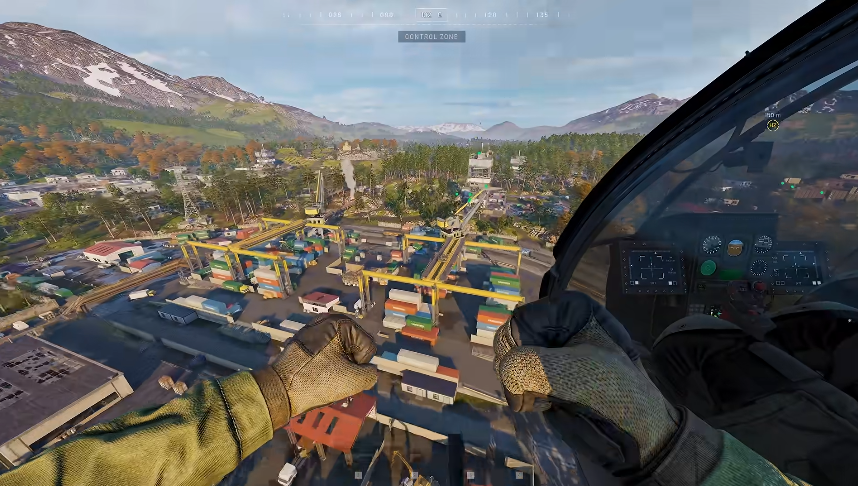
Publishers who once valued reliable release rhythms are now chasing that elusive event formula. CD Projekt’s careful handling of Cyberpunk 2077 — turning a disastrous launch into one of the most celebrated games of the decade — shows a finely honed understanding of event‑building. Remedy is about to hard‑left turn with Control Resonant, a bold move designed to inject freshness into a sequel. Legacy sequels and high‑quality remakes exploit nostalgia as a rich seam of events. And the lengthening timelines themselves help preserve novelty: a game that arrives after a long pause feels less predictable.
The most dramatic example is Grand Theft Auto 6, arguably the biggest entertainment event of the year — appearing an astonishing 13 years after GTA V. Rockstar had already grasped the power of long gaps, leaving eight years between Red Dead Redemption and its sequel. A GTA 6 released three years after GTA V would have done well commercially, but it would never have commanded the level of global attention it commands today. More importantly, keeping up with a faster cadence over the intervening years would likely have diminished the franchise. The wait has become a key part of the game’s event status.
The New Rules for Franchises
This new reality rewrites the old playbook. Quick sequels look stale to consumers whose attention is fractured by endless microdoses of novelty. Franchise fatigue sets in almost immediately when customers are drowning in choice paralysis. Good intellectual property remains valuable, but it now functions as a long‑term investment rather than a quick revenue stream. Making a game launch an event is not a formula with hard rules — any more than turning a game into a bankable franchise ever was. But the industry that can learn to recognise and cultivate those rare moments of cultural resonance will have a brighter future. In a market where the event itself is everything, the companies that understand how to make each release feel urgent, fresh, and undeniably big will be the ones that thrive.